THE ADVENTURE COLLECTIVE® · Independent discovery and booking for outdoor travel

Three days in Pu Luong takes you from easy village walks to a long trek through rice terraces, limestone caves and a swim beneath Hieu Waterfall. This guide outlines what to expect on the trails, cultural stops, and practical tips to prepare for the terrain and weather.
Three days in Pu Luong takes you from easy village walks to a long trek through rice terraces, limestone caves and a swim beneath Hieu Waterfall. This guide outlines what to expect on the trails, cultural stops, and practical tips to prepare for the terrain and weather.
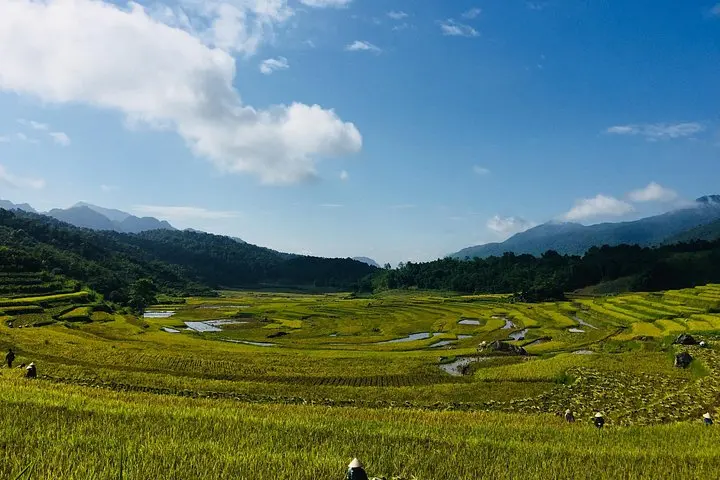
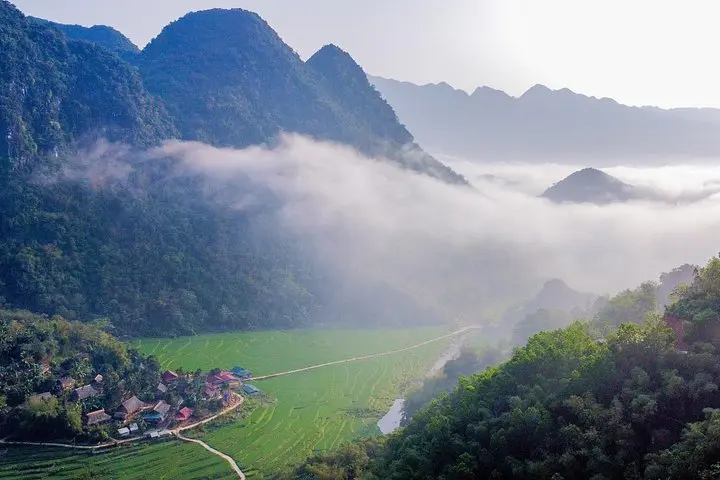
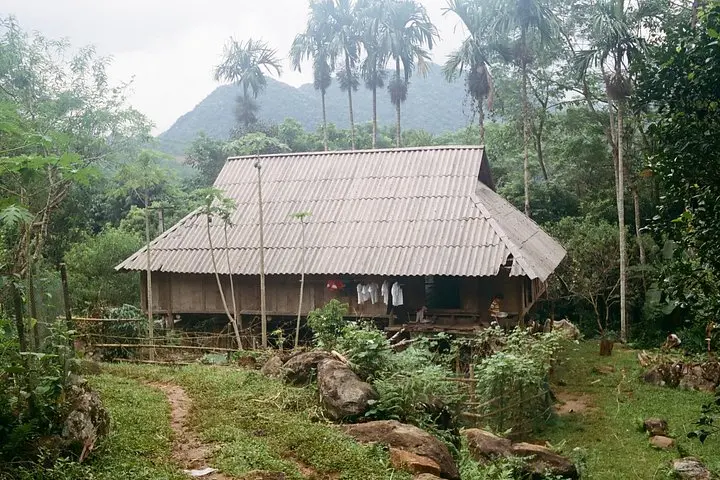
You step out of the van into thin, green air—rice terraces tier the hills like steps cut by patient hands, and a bamboo wheel creaks as if greeting you. Morning mist lifts off the valleys and reveals narrow alleys between Thai stilt houses; the trail ahead threads between paddies, climbs forested ridges and slips into shaded limestone gullies.
Verified experiences and guided adventures in the surrounding area.
Operated by Eco Travel Go Green VietNam · Pu Luong, Thanh Hoa Province
You step out of the van into thin, green air—rice terraces tier the hills like steps cut by patient hands, and a bamboo wheel creaks as if greeting you. Morning mist lifts off the valleys and reveals narrow alleys between Thai stilt houses; the trail ahead threads between paddies, climbs forested ridges and slips into shaded limestone gullies.
Pu Luong is a limestone outcrop on the edge of Vietnam’s Red River plain; its terraces and karst caves reflect centuries of Thai ethnic farming and erosion that carved pockets for waterfalls and caverns. The reserve’s cliffs are younger than the nearby Truong Son chain, but old enough to hold caves like Bat Cave and Doi Cave—dry in season, dramatic with streams after heavy rain.
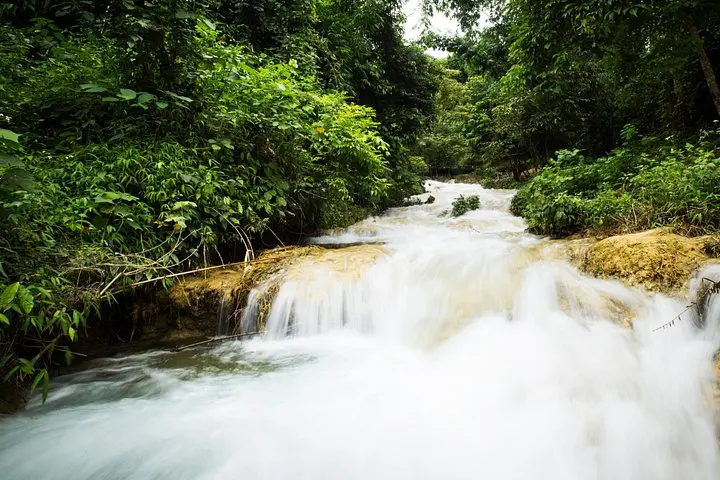
Across three days you’ll move from easy cultural walks to a long inland trek that crosses hidden villages and ends with a swim at Hieu Waterfall. Expect narrow footpaths, bamboo bridges, steps cut into paddies, and occasional muddy climbs—daily distances range roughly 5–15 km with up to 500–600 m cumulative ascent on the biggest day. Guides arrange homestay-style lunches and a calming bamboo-boat ride on quieter afternoons.
Practical edge: start early to avoid heat, pack a lightweight rain jacket and sturdy hiking shoes with tread for wet terraces, and bring at least 2–3 liters of water per day. Respect private fields, ask before photographing people, and leave no litter—trails can be fragile and the community depends on rice cycles. With moderate fitness this trip balances cultural contact, sustained hiking, and rewarding swimming in a landscape that still pushes you to pay attention.
Days range from easy cultural walks (~5 km) to a long inland trek (up to ~15 km) with cumulative ascents up to ~500–600 m on the hardest day.
Swimming is seasonal—safe in dryer months when flow is moderate; after heavy rain currents and rocks make swimming risky and some areas may be closed.
Two nights are at local eco-lodges or similar guesthouses (Pu Luong Eco Garden or comparable), plus homestay-style lunches with ethnic Thai families.
Tours include a local driver/guide and park access; independent visitors should check reserve rules and hire local guides for navigation and cultural respect.
Eco Travel Go Green VietNam operates guided outdoor trips and adventures with an emphasis on safety, stewardship, and memorable experiences.
You step out of the van into thin, green air—rice terraces tier the hills like steps cut by patient hands, and a bamboo wheel creaks as if greeting you. Morning mist lifts off the valleys and reveals narrow alleys between Thai stilt houses; the trail ahead threads between paddies, climbs forested ridges and slips into shaded limestone gullies.
You step out of the van into thin, green air—rice terraces tier the hills like steps cut by patient hands, and a bamboo wheel creaks as if greeting you. Morning mist lifts off the valleys and reveals narrow alleys between Thai stilt houses; the trail ahead threads between paddies, climbs forested ridges and slips into shaded limestone gullies.
Pu Luong is a limestone outcrop on the edge of Vietnam’s Red River plain; its terraces and karst caves reflect centuries of Thai ethnic farming and erosion that carved pockets for waterfalls and caverns. The reserve’s cliffs are younger than the nearby Truong Son chain, but old enough to hold caves like Bat Cave and Doi Cave—dry in season, dramatic with streams after heavy rain.
Across three days you’ll move from easy cultural walks to a long inland trek that crosses hidden villages and ends with a swim at Hieu Waterfall. Expect narrow footpaths, bamboo bridges, steps cut into paddies, and occasional muddy climbs—daily distances range roughly 5–15 km with up to 500–600 m cumulative ascent on the biggest day. Guides arrange homestay-style lunches and a calming bamboo-boat ride on quieter afternoons.
Practical edge: start early to avoid heat, pack a lightweight rain jacket and sturdy hiking shoes with tread for wet terraces, and bring at least 2–3 liters of water per day. Respect private fields, ask before photographing people, and leave no litter—trails can be fragile and the community depends on rice cycles. With moderate fitness this trip balances cultural contact, sustained hiking, and rewarding swimming in a landscape that still pushes you to pay attention.