THE ADVENTURE COLLECTIVE® · Independent discovery and booking for outdoor travel

Three days of terraces, karst towers and homestays: trek Pu Luong’s rice‑clad valleys, drift Cham Stream on a bamboo raft, then cycle to Hoa Lu and glide through Trang An’s karst canals. Practical, cultural and accessible—this loop compresses northern Vietnam’s landscape and living traditions into a short, doable route.
Three days of terraces, karst towers and homestays: trek Pu Luong’s rice‑clad valleys, drift Cham Stream on a bamboo raft, then cycle to Hoa Lu and glide through Trang An’s karst canals. Practical, cultural and accessible—this loop compresses northern Vietnam’s landscape and living traditions into a short, doable route.
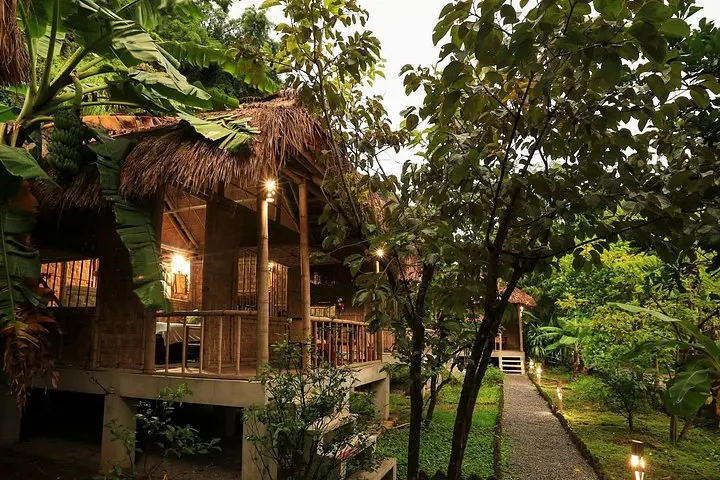
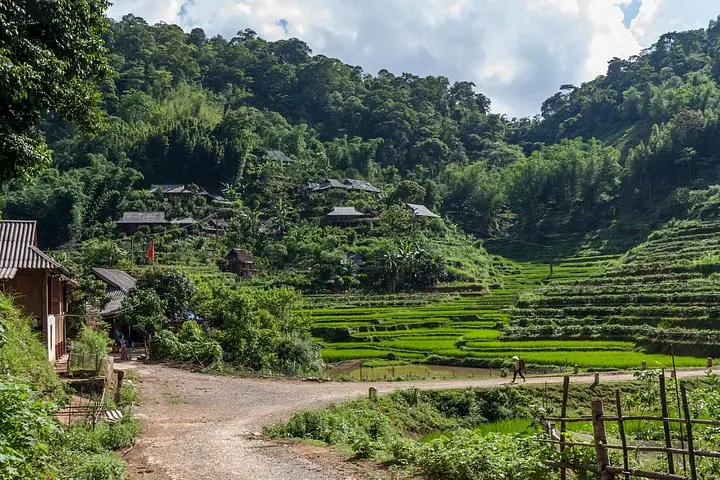
The day opens with a low mist curling across rice terraces as the bus threads off the highway and up toward Pu Luong. Footpaths slice between green steps of rice; waterwheels turn slowly along streams while Black Thai houses on stilts watch the visitors come and go.
Verified experiences and guided adventures in the surrounding area.
Operated by Amazing Nature Travel · Ninh Binh, Ninh Binh Province
The day opens with a low mist curling across rice terraces as the bus threads off the highway and up toward Pu Luong. Footpaths slice between green steps of rice; waterwheels turn slowly along streams while Black Thai houses on stilts watch the visitors come and go.
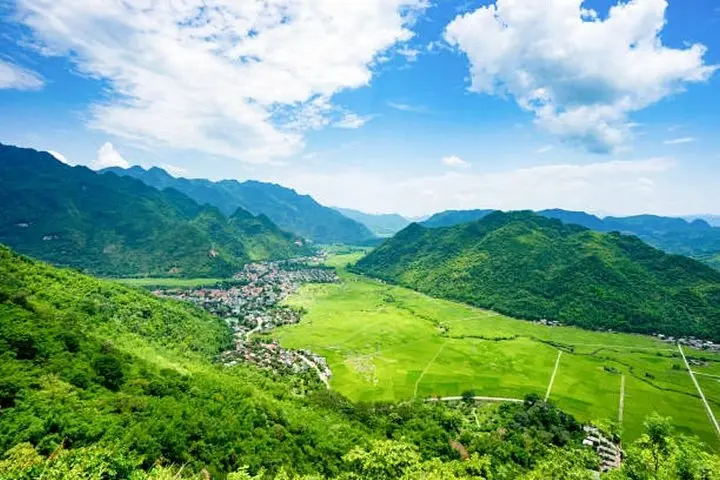
Pu Luong’s limestone spurs and folded valleys are geologically young—steep karst edges giving way to terraced agriculture where generations have farmed by gravity-fed irrigation. The route moves from mountain trek to Cham Stream bamboo raft and then to the flatter karst plains of Ninh Binh, where Hoa Lu’s 10th-century temples sit beneath sheer limestone cliffs. Along the way local Muong and Thai communities share agricultural skills: duck farming, waterwheel irrigation and homestay hospitality remain central to daily life.
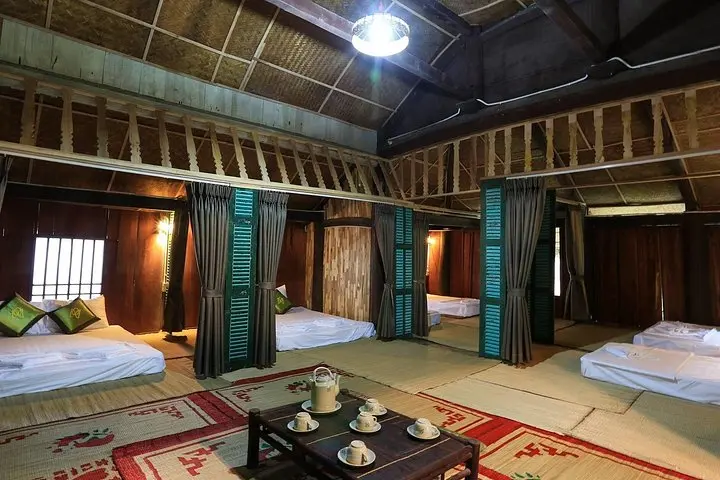
Expect easy-to-moderate walking (several short hikes of 4–6 km), a calm bamboo-raft float and guided cycling through quiet lanes between karst towers. Accommodations are homestays or simple lodges—sleeping in a house on stilts or a modest private room—and meals focus on regional staples like com (rice), fresh greens and small plates of local pork or fish.
Plan for muddy trails after rain, bring layered clothing and cash for small purchases, and allow time for slow cultural exchanges rather than rushing photo stops. The rhythm of this trip is deliberate: moving slowly through farmland, learning how the landscape and local customs continue to shape each other.
Yes—routes are designed for general fitness levels with short treks, gentle cycling and relaxed bamboo rafting; guides adapt pace to the group.
Three breakfasts, lunches and dinners noted in the itinerary are included; accommodations are homestays or simple lodges listed in the tour details.
Pickup is offered in Hanoi Old Quarter; the tour ends with return drop‑offs to Hanoi by evening on day three or to Ninh Binh transport hubs as stated.
Local guides can usually handle common dietary needs if notified at booking—vegetarian or allergy notes should be provided in advance.
Amazing Nature Travel operates guided outdoor trips and adventures with an emphasis on safety, stewardship, and memorable experiences.
The day opens with a low mist curling across rice terraces as the bus threads off the highway and up toward Pu Luong. Footpaths slice between green steps of rice; waterwheels turn slowly along streams while Black Thai houses on stilts watch the visitors come and go.
The day opens with a low mist curling across rice terraces as the bus threads off the highway and up toward Pu Luong. Footpaths slice between green steps of rice; waterwheels turn slowly along streams while Black Thai houses on stilts watch the visitors come and go.
Pu Luong’s limestone spurs and folded valleys are geologically young—steep karst edges giving way to terraced agriculture where generations have farmed by gravity-fed irrigation. The route moves from mountain trek to Cham Stream bamboo raft and then to the flatter karst plains of Ninh Binh, where Hoa Lu’s 10th-century temples sit beneath sheer limestone cliffs. Along the way local Muong and Thai communities share agricultural skills: duck farming, waterwheel irrigation and homestay hospitality remain central to daily life.
Expect easy-to-moderate walking (several short hikes of 4–6 km), a calm bamboo-raft float and guided cycling through quiet lanes between karst towers. Accommodations are homestays or simple lodges—sleeping in a house on stilts or a modest private room—and meals focus on regional staples like com (rice), fresh greens and small plates of local pork or fish.
Plan for muddy trails after rain, bring layered clothing and cash for small purchases, and allow time for slow cultural exchanges rather than rushing photo stops. The rhythm of this trip is deliberate: moving slowly through farmland, learning how the landscape and local customs continue to shape each other.