THE ADVENTURE COLLECTIVE® · Independent discovery and booking for outdoor travel

Walk Puerto Montt with a local guide through its market, maritime museum, cathedral and coastal viewpoints. This 3+ hour tour blends maritime history, migrant stories and active waterfront life for a grounded view of Chile’s gateway to Patagonia.
Walk Puerto Montt with a local guide through its market, maritime museum, cathedral and coastal viewpoints. This 3+ hour tour blends maritime history, migrant stories and active waterfront life for a grounded view of Chile’s gateway to Patagonia.
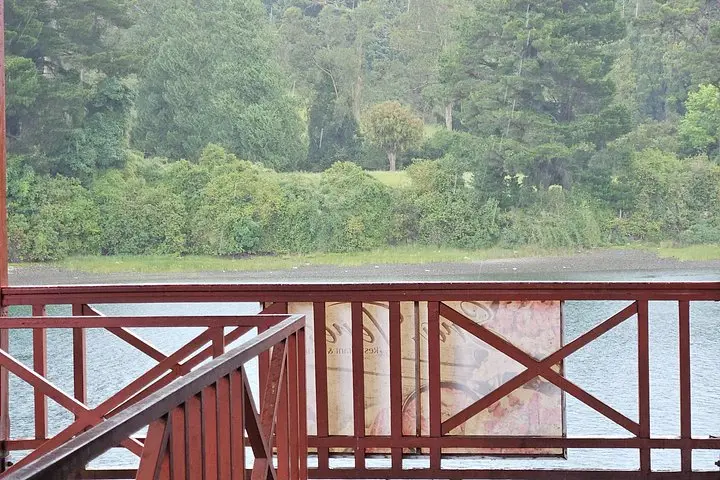
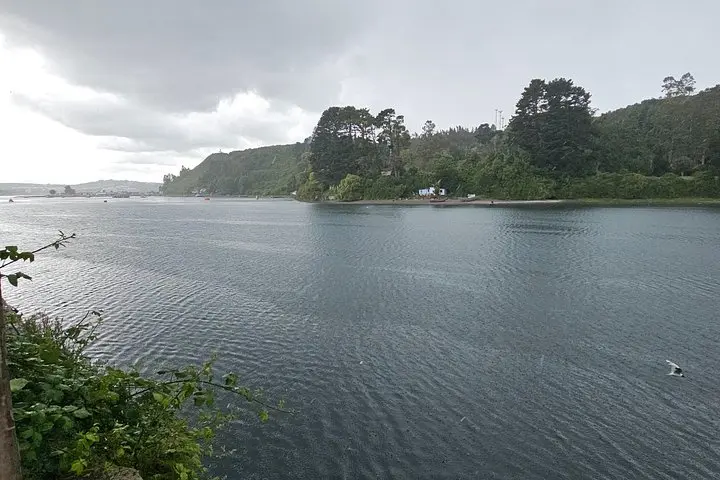
A cold wind from the Reloncaví Sound carries the smell of salt and diesel as you step off the market pier in downtown Puerto Montt. Fisherfolk call to one another, sea lions bark from nearby pilings, and the Andes loom like a washed outline across the water. This city tour moves at a walker's pace—stops at the market, cathedral, maritime museum and coastal lookout give you time to read the inscriptions and listen to the guide explain who made this place what it is.
Verified experiences and guided adventures in the surrounding area.
Operated by Casa Orellana · Puerto Montt, Los Lagos
A cold wind from the Reloncaví Sound carries the smell of salt and diesel as you step off the market pier in downtown Puerto Montt. Fisherfolk call to one another, sea lions bark from nearby pilings, and the Andes loom like a washed outline across the water. This city tour moves at a walker's pace—stops at the market, cathedral, maritime museum and coastal lookout give you time to read the inscriptions and listen to the guide explain who made this place what it is.
Puerto Montt’s story is both maritime and migrant. Founded in the mid-19th century as part of a plan to anchor southern Chile, the city grew with German settlers, fishermen and boatbuilders; larch wood and marine culture shape its architecture and economy. Geologically, the bay sits where glacial valleys meet volcanic highlands—look toward the Andes and you’ll see peaks carved by ice and fed by heavy, temperate-rainfall soils that sustain the region’s forests.
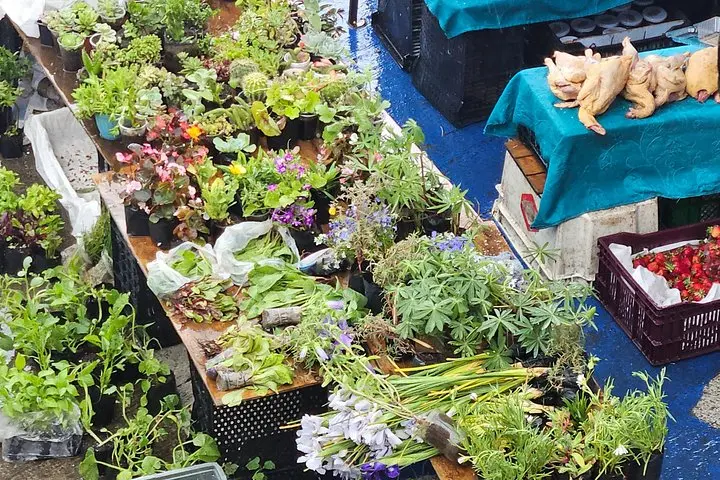
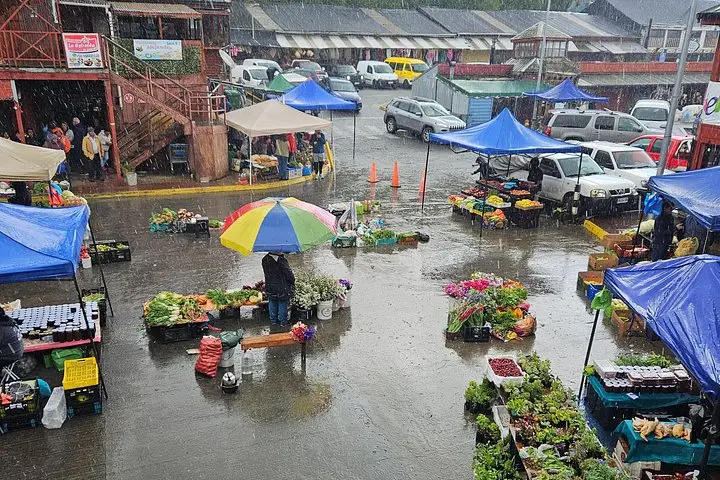
Culturally the tour foregrounds local memory: artisan markets, public art, and the cathedral built of larch are entry points to understanding identity here. Nature plays an active role—tide and current push the harbor into motion; gulls and pelicans command the piers, daring you to keep up.
Practical guidance: expect 3–3.5 hours of mostly flat walking with some paved coastal promenades and stairs. Bring waterproof layers, sturdy walking shoes, and a charged phone for photos and translations. Visits are offered in Spanish and English and are suitable for moderately fit travelers; strollers are usable on main promenades but some sites have steps. Plan for rain and a late-afternoon light that makes the harbor glow.
The tour is offered in Spanish and English to accommodate local and international visitors.
Main promenades and the market are stroller-accessible, but some sites have steps—wheelchair access may be limited at individual stops.
About 195 minutes total with mostly flat urban walking and several short stops; expect to cover a few kilometers at a relaxed pace.
Full refunds are available if you cancel at least 24 hours before departure; the tour may be canceled for bad weather.
Casa Orellana operates guided outdoor trips and adventures with an emphasis on safety, stewardship, and memorable experiences.
A cold wind from the Reloncaví Sound carries the smell of salt and diesel as you step off the market pier in downtown Puerto Montt. Fisherfolk call to one another, sea lions bark from nearby pilings, and the Andes loom like a washed outline across the water. This city tour moves at a walker's pace—stops at the market, cathedral, maritime museum and coastal lookout give you time to read the inscriptions and listen to the guide explain who made this place what it is.
A cold wind from the Reloncaví Sound carries the smell of salt and diesel as you step off the market pier in downtown Puerto Montt. Fisherfolk call to one another, sea lions bark from nearby pilings, and the Andes loom like a washed outline across the water. This city tour moves at a walker's pace—stops at the market, cathedral, maritime museum and coastal lookout give you time to read the inscriptions and listen to the guide explain who made this place what it is.
Puerto Montt’s story is both maritime and migrant. Founded in the mid-19th century as part of a plan to anchor southern Chile, the city grew with German settlers, fishermen and boatbuilders; larch wood and marine culture shape its architecture and economy. Geologically, the bay sits where glacial valleys meet volcanic highlands—look toward the Andes and you’ll see peaks carved by ice and fed by heavy, temperate-rainfall soils that sustain the region’s forests.
Culturally the tour foregrounds local memory: artisan markets, public art, and the cathedral built of larch are entry points to understanding identity here. Nature plays an active role—tide and current push the harbor into motion; gulls and pelicans command the piers, daring you to keep up.
Practical guidance: expect 3–3.5 hours of mostly flat walking with some paved coastal promenades and stairs. Bring waterproof layers, sturdy walking shoes, and a charged phone for photos and translations. Visits are offered in Spanish and English and are suitable for moderately fit travelers; strollers are usable on main promenades but some sites have steps. Plan for rain and a late-afternoon light that makes the harbor glow.