THE ADVENTURE COLLECTIVE® · Independent discovery and booking for outdoor travel

Set out from Puerto Vallarta and watch humpback whales carve the winter sea. Guided by marine biologists, these three-hour excursions combine ethical viewing, hydrophone listening, and optional snorkeling at Los Arcos.
Set out from Puerto Vallarta and watch humpback whales carve the winter sea. Guided by marine biologists, these three-hour excursions combine ethical viewing, hydrophone listening, and optional snorkeling at Los Arcos.
The boat slips away from the dock and Banderas Bay opens like a living map—blue water stretching to the horizon, gulls tracing the prow, and the salt air pushing forward like an invitation. Minutes later a blow punctures the surface, a dark back arches, and the humpback’s presence rearranges the entire morning.
Verified experiences and guided adventures in the surrounding area.
Operated by Nueva Tierra tours · Puerto Vallarta, Jalisco
The boat slips away from the dock and Banderas Bay opens like a living map—blue water stretching to the horizon, gulls tracing the prow, and the salt air pushing forward like an invitation. Minutes later a blow punctures the surface, a dark back arches, and the humpback’s presence rearranges the entire morning.
Banderas Bay is both a geological bowl and a biological highway: deep water shelves and hidden channels created by tectonic activity concentrate plankton, drawing migrating whales. For centuries local fishermen observed these seasonal visitors; today Puerto Vallarta’s bay is a protected corridor where humpbacks return each winter to breed and calve. Guides on licensed tours are often biologists who translate behavior into story—courting slaps, spy-hops, and the low songs broadcast through a hydrophone.
Expect close but regulated encounters: boats circle at respectful distances, and guides explain laws and best practices. Many trips add snorkeling stops at Los Arcos de Mismaloya, a marine park of volcanic rock arches where reef fish dart like punctuation marks.
Practical guidance: travel light and layer—mornings on the water are cool, afternoons warm. Bring seasickness remedies if you’re prone, a sun hat, and a camera with a zoom; binoculars are useful for distant spouts. Most tours run 3 hours and are wheelchair accessible aboard compliant vessels, but check boarding arrangements in advance. Photography and listening to whale song via hydrophone make the experience both sensory and scientific—this is whale watching as guided fieldwork, with room for awe.
No—wildlife is unpredictable; however, humpback presence peaks December–April in Banderas Bay, and experienced guides maximize sighting odds.
Yes—infants must sit on an adult’s lap; the operator notes accessibility but confirm boarding arrangements for strollers or wheelchairs in advance.
Many operators offer optional snorkeling stops at Los Arcos; water conditions and time permitting, equipment is usually provided.
Licensed guides maintain regulated viewing distances, limit approach speeds, avoid chasing, and use hydrophones to listen rather than intrusive methods.
Nueva Tierra tours operates guided outdoor trips and adventures with an emphasis on safety, stewardship, and memorable experiences.
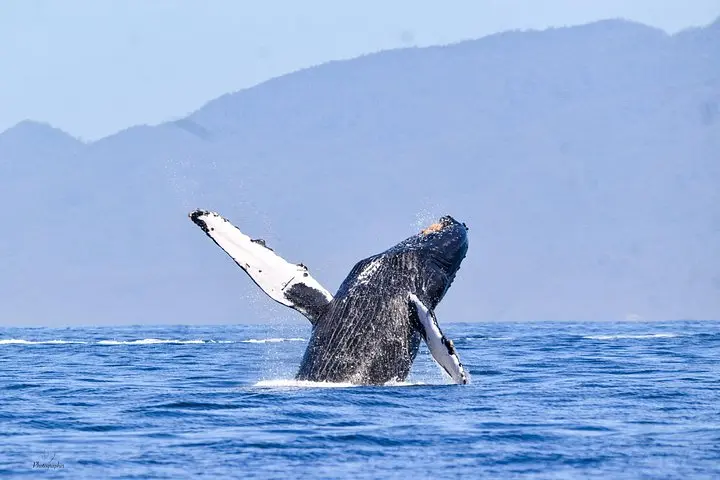
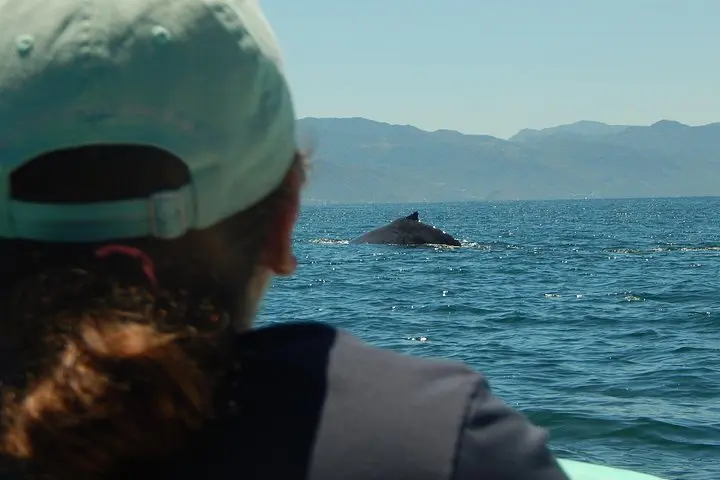
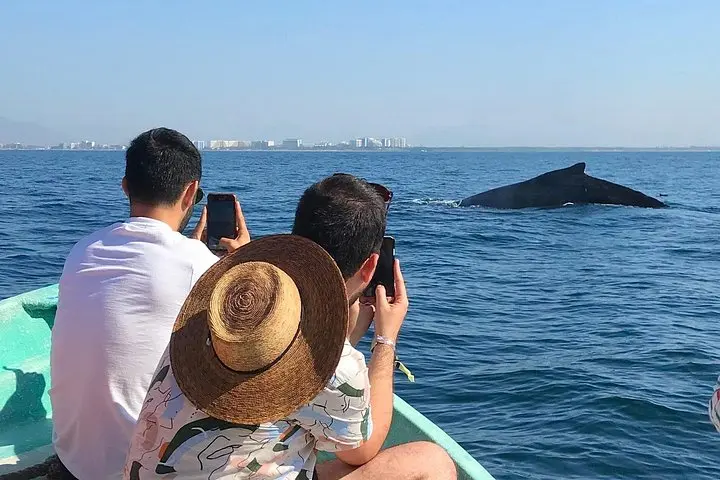
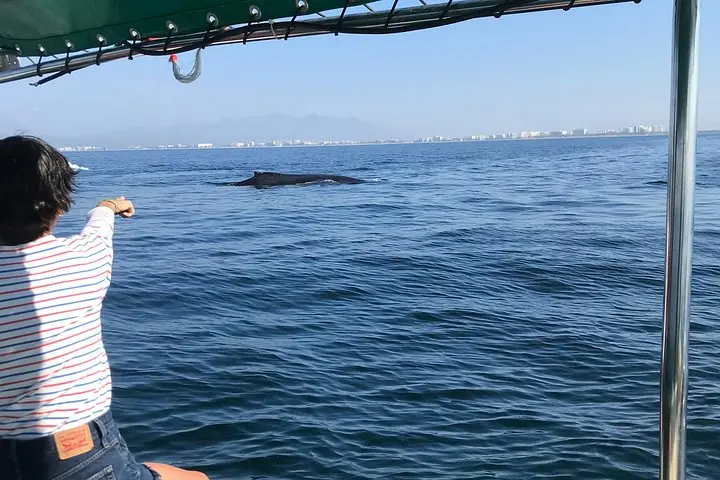
The boat slips away from the dock and Banderas Bay opens like a living map—blue water stretching to the horizon, gulls tracing the prow, and the salt air pushing forward like an invitation. Minutes later a blow punctures the surface, a dark back arches, and the humpback’s presence rearranges the entire morning.
The boat slips away from the dock and Banderas Bay opens like a living map—blue water stretching to the horizon, gulls tracing the prow, and the salt air pushing forward like an invitation. Minutes later a blow punctures the surface, a dark back arches, and the humpback’s presence rearranges the entire morning.
Banderas Bay is both a geological bowl and a biological highway: deep water shelves and hidden channels created by tectonic activity concentrate plankton, drawing migrating whales. For centuries local fishermen observed these seasonal visitors; today Puerto Vallarta’s bay is a protected corridor where humpbacks return each winter to breed and calve. Guides on licensed tours are often biologists who translate behavior into story—courting slaps, spy-hops, and the low songs broadcast through a hydrophone.
Expect close but regulated encounters: boats circle at respectful distances, and guides explain laws and best practices. Many trips add snorkeling stops at Los Arcos de Mismaloya, a marine park of volcanic rock arches where reef fish dart like punctuation marks.
Practical guidance: travel light and layer—mornings on the water are cool, afternoons warm. Bring seasickness remedies if you’re prone, a sun hat, and a camera with a zoom; binoculars are useful for distant spouts. Most tours run 3 hours and are wheelchair accessible aboard compliant vessels, but check boarding arrangements in advance. Photography and listening to whale song via hydrophone make the experience both sensory and scientific—this is whale watching as guided fieldwork, with room for awe.