THE ADVENTURE COLLECTIVE® · Independent discovery and booking for outdoor travel

Board a 3-hour speedboat out of Puerto Vallarta to watch humpback whales in Banderas Bay. Expert guides, hydrophones and sea-level photo opportunities make this a compelling winter wildlife excursion.
Board a 3-hour speedboat out of Puerto Vallarta to watch humpback whales in Banderas Bay. Expert guides, hydrophones and sea-level photo opportunities make this a compelling winter wildlife excursion.
The speedboat rises and dips on Banderas Bay, spray slicing the morning air as guides scan the horizon. Hydrophones hum below decks and a marine mammal expert leans forward — you feel the weight of the ocean’s rhythm before the blow. Humpback whales arrive here each winter, leaving Arctic feeding grounds and seeking the bay’s sheltered waters to breed and nurse calves; from a low, sea-level vantage the animals’ tails and pectoral fins feel both enormous and intimate.
Verified experiences and guided adventures in the surrounding area.
Operated by Vallarta Adventures · Puerto Vallarta, Jalisco
The speedboat rises and dips on Banderas Bay, spray slicing the morning air as guides scan the horizon. Hydrophones hum below decks and a marine mammal expert leans forward — you feel the weight of the ocean’s rhythm before the blow. Humpback whales arrive here each winter, leaving Arctic feeding grounds and seeking the bay’s sheltered waters to breed and nurse calves; from a low, sea-level vantage the animals’ tails and pectoral fins feel both enormous and intimate.
Geology here favors the spectacle: Banderas Bay is a deep, curved gulf with underwater shelves that create predictable migration corridors. Local fishing towns like Puerto Vallarta grew alongside that marine bounty, and tourism now links community livelihoods to whale conservation. Operators collect a small conservation fee and follow federal distancing rules; hydrophones are used to study and reduce disturbance.
On a typical 3-hour photo safari you’ll cover open water in a high-speed craft, pause for approaches, and listen for blows and songs. Expect quick, up-close photo opportunities from an exposed deck — there’s usually no shade or toilets on board. The tour includes purified water, a light snack, and hydrophones, but it’s not recommended for pregnant travelers or people with serious back problems.
Practical tips: bring layered sun protection, motion-sickness meds if you’re prone, and a fast telephoto lens or good binoculars. Arrive early to check in, pay the small conservation fee, and confirm meeting details. Weather and whale presence can change sightings, so remain flexible and follow guides’ instructions for safe viewing and minimal impact.
Peak season runs winter through early spring (roughly December to March), when whales migrate to breed and nurse calves in the bay.
Yes — minimum age is typically 6 years; check operator rules and supervise children closely on deck.
This type of speedboat usually lacks toilets and shaded areas, so plan accordingly before boarding.
The tour is not recommended for travelers with serious back or heart problems or for pregnant guests; bring medication for motion sickness and notify staff of any concerns.
Vallarta Adventures operates guided outdoor trips and adventures with an emphasis on safety, stewardship, and memorable experiences.
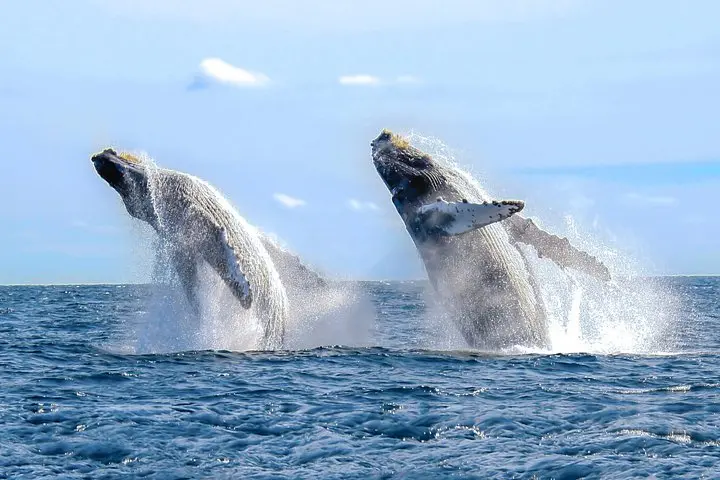
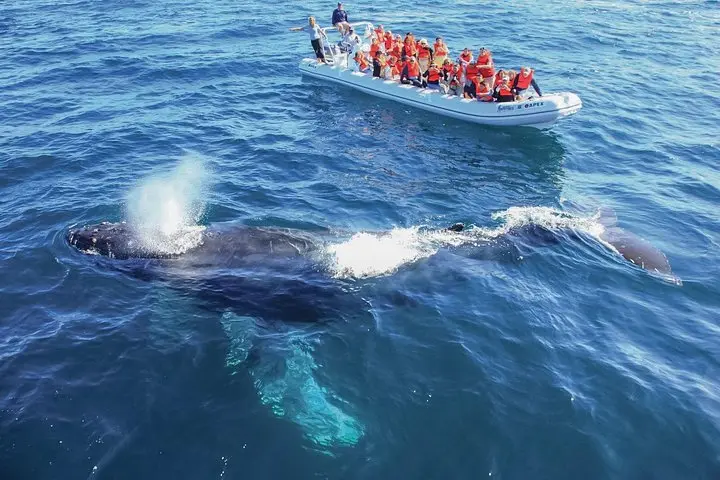
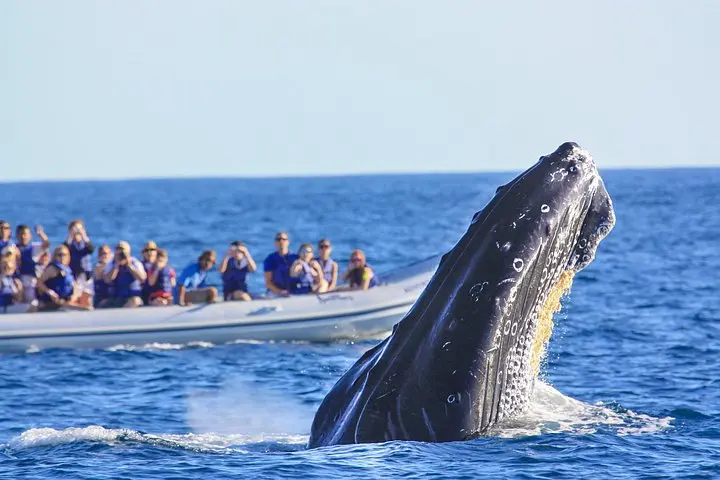
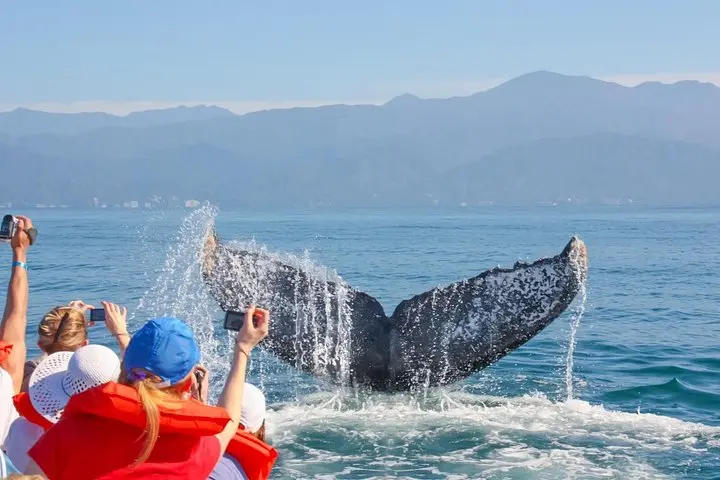
The speedboat rises and dips on Banderas Bay, spray slicing the morning air as guides scan the horizon. Hydrophones hum below decks and a marine mammal expert leans forward — you feel the weight of the ocean’s rhythm before the blow. Humpback whales arrive here each winter, leaving Arctic feeding grounds and seeking the bay’s sheltered waters to breed and nurse calves; from a low, sea-level vantage the animals’ tails and pectoral fins feel both enormous and intimate.
The speedboat rises and dips on Banderas Bay, spray slicing the morning air as guides scan the horizon. Hydrophones hum below decks and a marine mammal expert leans forward — you feel the weight of the ocean’s rhythm before the blow. Humpback whales arrive here each winter, leaving Arctic feeding grounds and seeking the bay’s sheltered waters to breed and nurse calves; from a low, sea-level vantage the animals’ tails and pectoral fins feel both enormous and intimate.
Geology here favors the spectacle: Banderas Bay is a deep, curved gulf with underwater shelves that create predictable migration corridors. Local fishing towns like Puerto Vallarta grew alongside that marine bounty, and tourism now links community livelihoods to whale conservation. Operators collect a small conservation fee and follow federal distancing rules; hydrophones are used to study and reduce disturbance.
On a typical 3-hour photo safari you’ll cover open water in a high-speed craft, pause for approaches, and listen for blows and songs. Expect quick, up-close photo opportunities from an exposed deck — there’s usually no shade or toilets on board. The tour includes purified water, a light snack, and hydrophones, but it’s not recommended for pregnant travelers or people with serious back problems.
Practical tips: bring layered sun protection, motion-sickness meds if you’re prone, and a fast telephoto lens or good binoculars. Arrive early to check in, pay the small conservation fee, and confirm meeting details. Weather and whale presence can change sightings, so remain flexible and follow guides’ instructions for safe viewing and minimal impact.