THE ADVENTURE COLLECTIVE® · Independent discovery and booking for outdoor travel

Slip into Banderas Bay with a marine biologist guide to observe wild dolphins respectfully, then fin through the protected waters of Los Arcos Marine Park. A small-group boat, calm morning seas, and clear guidance make this half-day on the water both immersive and informed.
Slip into Banderas Bay with a marine biologist guide to observe wild dolphins respectfully, then fin through the protected waters of Los Arcos Marine Park. A small-group boat, calm morning seas, and clear guidance make this half-day on the water both immersive and informed.
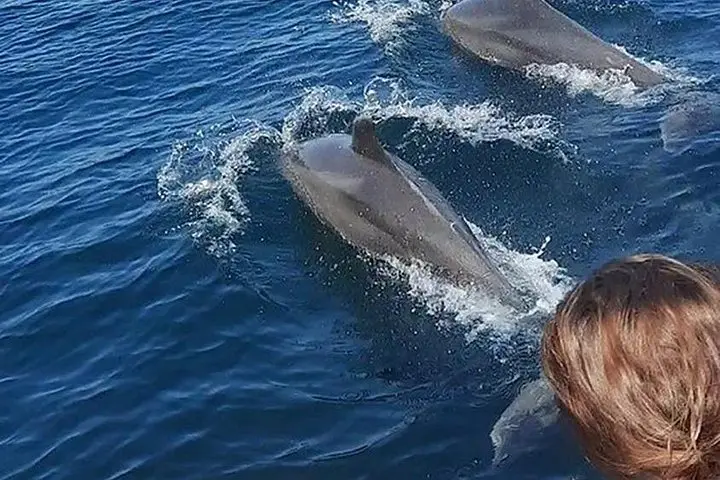
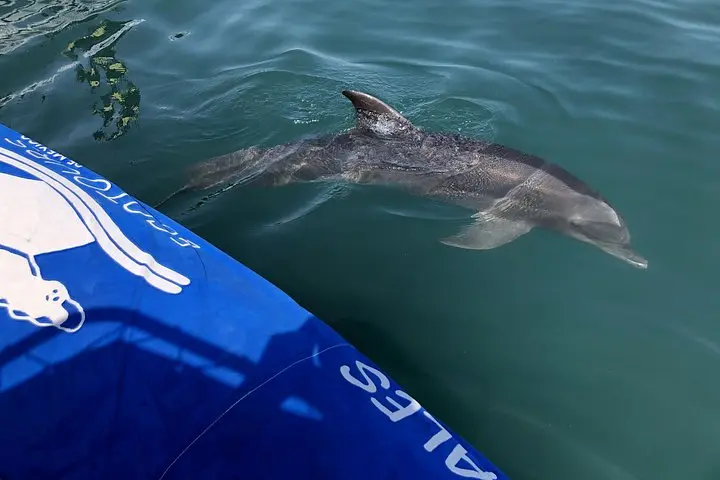
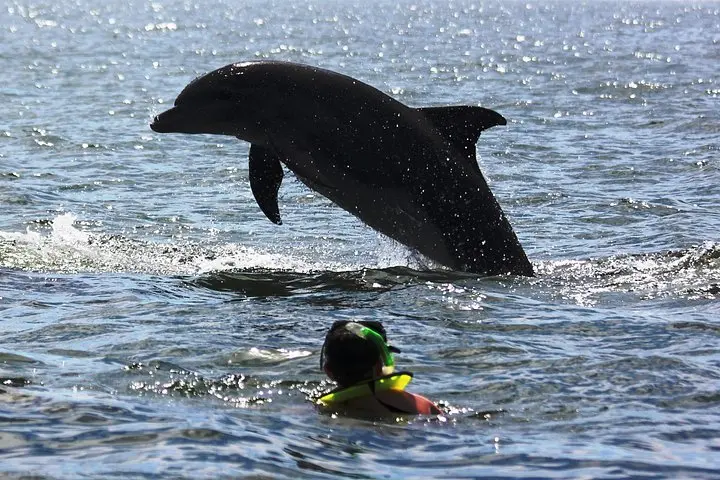
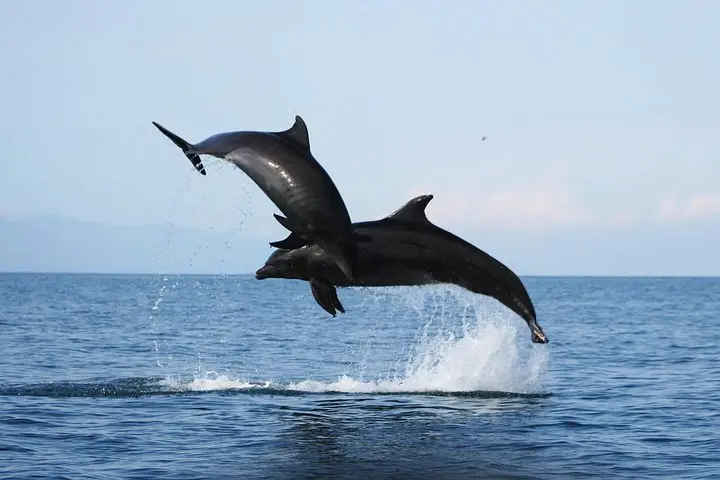
Dawn lays a silver sheen across Banderas Bay as the small boat noses out from Marina Vallarta. Pelicans idle on pilings, the bay breathing in slow swells, and a marine biologist at the helm scans the water for the first hint of dorsal fins. Minutes later, the surface ruffles—a burst of motion—and wild bottlenose dolphins thread the boat’s wake, daring you to keep up. You won’t chase them; you’ll observe on their terms, learning how to read their body language, social pods, and feeding patterns before sliding quietly into the sea when conditions allow. The approach is careful and respectful, and that restraint becomes the point: this is their blue city, you’re a guest.
Verified experiences and guided adventures in the surrounding area.
Operated by ECOTOURS VALLARTA · Puerto Vallarta, Jalisco
Dawn lays a silver sheen across Banderas Bay as the small boat noses out from Marina Vallarta. Pelicans idle on pilings, the bay breathing in slow swells, and a marine biologist at the helm scans the water for the first hint of dorsal fins. Minutes later, the surface ruffles—a burst of motion—and wild bottlenose dolphins thread the boat’s wake, daring you to keep up. You won’t chase them; you’ll observe on their terms, learning how to read their body language, social pods, and feeding patterns before sliding quietly into the sea when conditions allow. The approach is careful and respectful, and that restraint becomes the point: this is their blue city, you’re a guest.
The Bay of Banderas is immense—nearly 100 km across and plunging over 900 m at its deepest—an underwater amphitheater shaped by tectonics where warm currents invite dolphins year-round and humpbacks in winter. Your guide breaks down what you’re seeing: the bow-riding behavior, the difference between resident and transient pods, and why boat etiquette matters for their safety. When the dolphins move on, the tour arcs south toward Los Arcos Marine Park, a cluster of granite islets riddled with caves and swim-throughs. Designated a protected area, Los Arcos hums with life: sergeant majors, angelfish, and occasional eagle rays cruise the walls; thermoclines slide like cool veils. Visibility ranges from 6–18 m depending on swell and plankton, with mornings often offering the calmest surface.
On the surface, frigatebirds patrol like watchful kites and the rock arches yawn into the sea, framing the jungle-clad coastline toward Mismaloya—the cove that flipped Puerto Vallarta onto the world’s radar during the 1964 filming of Night of the Iguana. Culture still threads the shoreline: fishermen working panga skiffs, seaside loncherías sending off the scent of lime and grilled fish. Back aboard, a simple box lunch and cold drinks reset your energy for a second snorkel or an unhurried ride along the coast.
It’s a compact half day—about four hours—but the pace is unhurried and the group capped at ten, which keeps the water time focused and the encounter intimate. Bring a rash guard and reef-safe sunscreen; the sun works hard even when the breeze feels forgiving. You’ll enter and exit via a ladder, and while you don’t need to be an expert snorkeler, comfort in open water makes the experience better. The bay will push and pull; let it. The current has its own itinerary, and today, you’re moving with it.
Wildlife is unpredictable, so sightings can’t be guaranteed. The team uses local knowledge and ethical guidelines to maximize chances without disturbing the animals.
No. Basic swimming ability and comfort with a mask and snorkel are enough. The guide provides instruction and flotation is available; life jackets are mandatory on board and used as directed in the water.
Bottlenose dolphins are most common year-round, with occasional sightings of spotted or spinner dolphins depending on season and conditions.
Expect mild to moderate currents, surface chop depending on wind, and visibility from 6–18 m. Water temps typically range from 24–30°C in warmer months and 22–25°C in winter.
Yes. Bottled water, soft drinks, and a simple box lunch are included. A vegetarian option is available—request it at booking.
This tour isn’t recommended for pregnant travelers or those with back, neck, or heart issues. Children 4–11 must be accompanied by a paying adult; all participants must be able to swim.
ECOTOURS VALLARTA operates guided outdoor trips and adventures with an emphasis on safety, stewardship, and memorable experiences.
Dawn lays a silver sheen across Banderas Bay as the small boat noses out from Marina Vallarta. Pelicans idle on pilings, the bay breathing in slow swells, and a marine biologist at the helm scans the water for the first hint of dorsal fins. Minutes later, the surface ruffles—a burst of motion—and wild bottlenose dolphins thread the boat’s wake, daring you to keep up. You won’t chase them; you’ll observe on their terms, learning how to read their body language, social pods, and feeding patterns before sliding quietly into the sea when conditions allow. The approach is careful and respectful, and that restraint becomes the point: this is their blue city, you’re a guest.
Dawn lays a silver sheen across Banderas Bay as the small boat noses out from Marina Vallarta. Pelicans idle on pilings, the bay breathing in slow swells, and a marine biologist at the helm scans the water for the first hint of dorsal fins. Minutes later, the surface ruffles—a burst of motion—and wild bottlenose dolphins thread the boat’s wake, daring you to keep up. You won’t chase them; you’ll observe on their terms, learning how to read their body language, social pods, and feeding patterns before sliding quietly into the sea when conditions allow. The approach is careful and respectful, and that restraint becomes the point: this is their blue city, you’re a guest.
The Bay of Banderas is immense—nearly 100 km across and plunging over 900 m at its deepest—an underwater amphitheater shaped by tectonics where warm currents invite dolphins year-round and humpbacks in winter. Your guide breaks down what you’re seeing: the bow-riding behavior, the difference between resident and transient pods, and why boat etiquette matters for their safety. When the dolphins move on, the tour arcs south toward Los Arcos Marine Park, a cluster of granite islets riddled with caves and swim-throughs. Designated a protected area, Los Arcos hums with life: sergeant majors, angelfish, and occasional eagle rays cruise the walls; thermoclines slide like cool veils. Visibility ranges from 6–18 m depending on swell and plankton, with mornings often offering the calmest surface.
On the surface, frigatebirds patrol like watchful kites and the rock arches yawn into the sea, framing the jungle-clad coastline toward Mismaloya—the cove that flipped Puerto Vallarta onto the world’s radar during the 1964 filming of Night of the Iguana. Culture still threads the shoreline: fishermen working panga skiffs, seaside loncherías sending off the scent of lime and grilled fish. Back aboard, a simple box lunch and cold drinks reset your energy for a second snorkel or an unhurried ride along the coast.
It’s a compact half day—about four hours—but the pace is unhurried and the group capped at ten, which keeps the water time focused and the encounter intimate. Bring a rash guard and reef-safe sunscreen; the sun works hard even when the breeze feels forgiving. You’ll enter and exit via a ladder, and while you don’t need to be an expert snorkeler, comfort in open water makes the experience better. The bay will push and pull; let it. The current has its own itinerary, and today, you’re moving with it.