THE ADVENTURE COLLECTIVE® · Independent discovery and booking for outdoor travel
Board the Puffin Express in Lerwick and head south to Sumburgh Head for a close look at breeding puffins, clifftop walks and a 19th-century Stevenson lighthouse. Ideal April–August wildlife viewing with a short but steep walk to the headland.
Board the Puffin Express in Lerwick and head south to Sumburgh Head for a close look at breeding puffins, clifftop walks and a 19th-century Stevenson lighthouse. Ideal April–August wildlife viewing with a short but steep walk to the headland.
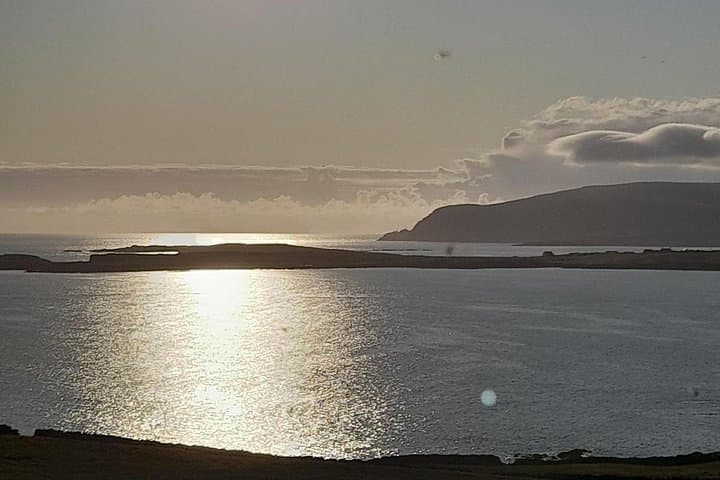
The bus eases out of Lerwick and the landscape opens: low moor, peat hag, the sea widening to the south until the cliffs of Sumburgh Head slice the horizon. Salt wind pushes against your jacket and calls of kittiwakes and fulmars thread the air; the lighthouse perches on the cliff like an old keeper watching the Atlantic meet the North Sea.
Verified experiences and guided adventures in the surrounding area.
Operated by Robertson's Tours & Holidays · Lerwick, Shetland
The bus eases out of Lerwick and the landscape opens: low moor, peat hag, the sea widening to the south until the cliffs of Sumburgh Head slice the horizon. Salt wind pushes against your jacket and calls of kittiwakes and fulmars thread the air; the lighthouse perches on the cliff like an old keeper watching the Atlantic meet the North Sea.
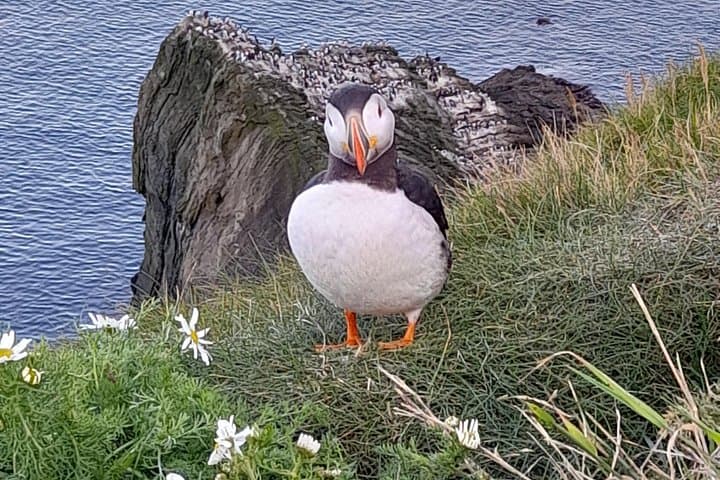
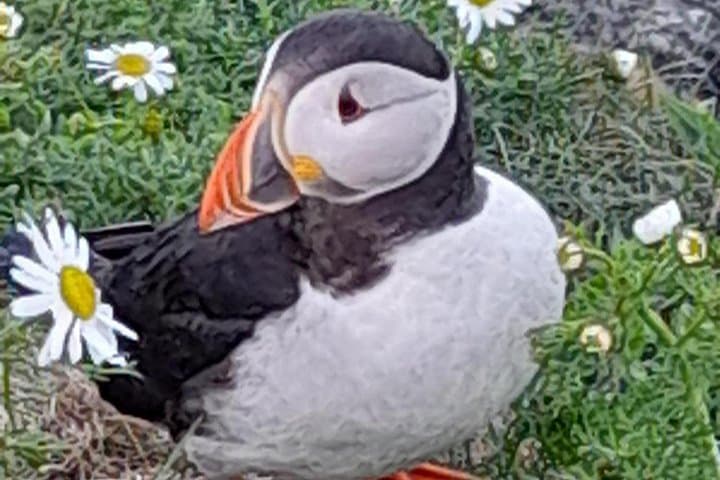
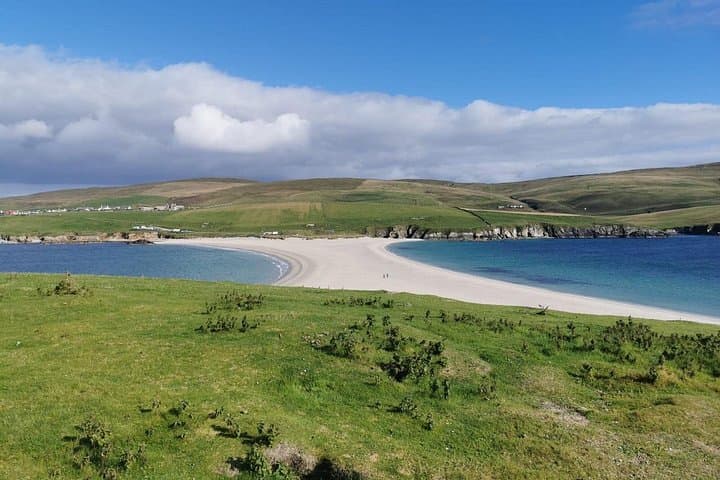
Sumburgh Head has drawn mariners and naturalists for two centuries—its Stevenson-built lighthouse (1821) mapped the shoals while the basalt and sandstone cliffs tell of violent geological forces that raised these rocky promontories above the waves. Locally, puffins are “Tammie Norries”: small, bold seabirds that return each spring to burrows on the grassy slopes. The headland also holds Viking echoes—St Ninian’s Isle tombolo and finds that link the islands to wider Norse history.
On a three-hour Puffin Express trip from Lerwick, expect about an hour each way by coach and roughly an hour ashore to explore the visitor centre, café and cliff paths. Between April and August you’ll scan ledges for puffins, guillemots and razorbills, and may glimpse porpoises and seals offshore. Note the paved but steep walk from the coach park to the lighthouse and the need to keep well back from cliff edges.
Practical notes: bring binoculars, a windproof layer, sturdy footwear and a waterproof—weather changes fast. Arrive with time to spare, listen for the driver’s reboarding time, and remember sightings are of wild birds and never guaranteed. This is a short, high-reward coastal wildlife outing that pairs easy access with raw island character.
Puffins breed on the cliffs from roughly April to August; mid-morning to mid-afternoon on calm days offers the best viewing conditions.
The paved path is steep and takes about 10–20 minutes each way depending on fitness and stops for photos.
No—puffins are wild seabirds and may be out at sea; the tour includes admission to Sumburgh Head Lighthouse and time on site but cannot guarantee sightings.
Children can join but must be supervised near cliffs; the steep path and uneven terrain mean it’s not recommended for those with significant mobility issues.
Robertson's Tours & Holidays operates guided outdoor trips and adventures with an emphasis on safety, stewardship, and memorable experiences.
The bus eases out of Lerwick and the landscape opens: low moor, peat hag, the sea widening to the south until the cliffs of Sumburgh Head slice the horizon. Salt wind pushes against your jacket and calls of kittiwakes and fulmars thread the air; the lighthouse perches on the cliff like an old keeper watching the Atlantic meet the North Sea.
The bus eases out of Lerwick and the landscape opens: low moor, peat hag, the sea widening to the south until the cliffs of Sumburgh Head slice the horizon. Salt wind pushes against your jacket and calls of kittiwakes and fulmars thread the air; the lighthouse perches on the cliff like an old keeper watching the Atlantic meet the North Sea.
Sumburgh Head has drawn mariners and naturalists for two centuries—its Stevenson-built lighthouse (1821) mapped the shoals while the basalt and sandstone cliffs tell of violent geological forces that raised these rocky promontories above the waves. Locally, puffins are “Tammie Norries”: small, bold seabirds that return each spring to burrows on the grassy slopes. The headland also holds Viking echoes—St Ninian’s Isle tombolo and finds that link the islands to wider Norse history.
On a three-hour Puffin Express trip from Lerwick, expect about an hour each way by coach and roughly an hour ashore to explore the visitor centre, café and cliff paths. Between April and August you’ll scan ledges for puffins, guillemots and razorbills, and may glimpse porpoises and seals offshore. Note the paved but steep walk from the coach park to the lighthouse and the need to keep well back from cliff edges.
Practical notes: bring binoculars, a windproof layer, sturdy footwear and a waterproof—weather changes fast. Arrive with time to spare, listen for the driver’s reboarding time, and remember sightings are of wild birds and never guaranteed. This is a short, high-reward coastal wildlife outing that pairs easy access with raw island character.
