THE ADVENTURE COLLECTIVE® · Independent discovery and booking for outdoor travel

Follow a fragrant pine track from the village of Randa to Santuari de Cura on Puig de Randa. This accessible 4-hour guided hike blends island geology, centuries-old sanctuaries and wide coastal views—ideal for beginners and families.
Follow a fragrant pine track from the village of Randa to Santuari de Cura on Puig de Randa. This accessible 4-hour guided hike blends island geology, centuries-old sanctuaries and wide coastal views—ideal for beginners and families.
A dry wind moves through the pines as the minivan drops the group at the stone cluster of Randa. You step onto a sun-dappled path that climbs steadily, the island’s interior unfurling behind you while the coast pulls itself into view ahead. The trail threads through fragrant pine and scrub, passes small chapels carved into rock, and opens onto the terraces that lead to Santuari de Cura.
Verified experiences and guided adventures in the surrounding area.
Operated by Adventure Tours Mallorca S.L. · Randa, Balearic Islands
A dry wind moves through the pines as the minivan drops the group at the stone cluster of Randa. You step onto a sun-dappled path that climbs steadily, the island’s interior unfurling behind you while the coast pulls itself into view ahead. The trail threads through fragrant pine and scrub, passes small chapels carved into rock, and opens onto the terraces that lead to Santuari de Cura.
Puig de Randa has long been a waypoint for contemplatives — Ramon Llull practiced here in the 13th century — and the hill’s geology is typical of central Mallorca: calcareous limestone folded into ridges, with thin soils giving way to exposed rock and scattered oaks. Cultural touches appear as you climb: the 15th-century Santuari de Gràcia clinging to a face and the hermitage of Sant Honorat looking out over the plain.
Practically, expect an out-and-back of about 5 km one way with roughly 300 m of elevation gain on mixed dirt and stone paths; sections can be steep but are well-marked. The summit complex includes a small museum, chapel and a café with sweeping views to Cabrera and, on clear days, Ibiza.
Bring layered clothing, sturdy shoes, and water; start in the morning to avoid heat and to catch clearer views. The guided format—small groups and a short transfer from a central meeting point—makes this accessible for families and first-time hikers, while offering historical context that enriches the walk.
On arrival, allow time for the museum and the terrace views: the place invites quiet, short meditations, and a measured pace that honors both the landscape and its history.
The guided outing is about 4 hours total with roughly 5 km to the summit and a steady ascent; it’s rated easy and suitable for beginners and families.
There is a small café/restaurant at Santuari de Cura, but it can be busy—bring water and snacks as a backup.
Yes; the route is well-maintained and the pace is moderate, though some uphill sections may require short breaks.
Mobile signal is intermittent on parts of the trail; restrooms are available at the summit complex but limited along the path.
Adventure Tours Mallorca S.L. operates guided outdoor trips and adventures with an emphasis on safety, stewardship, and memorable experiences.
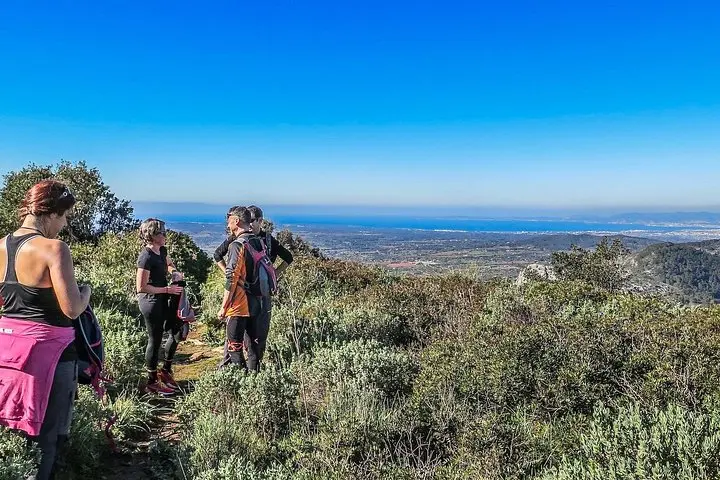
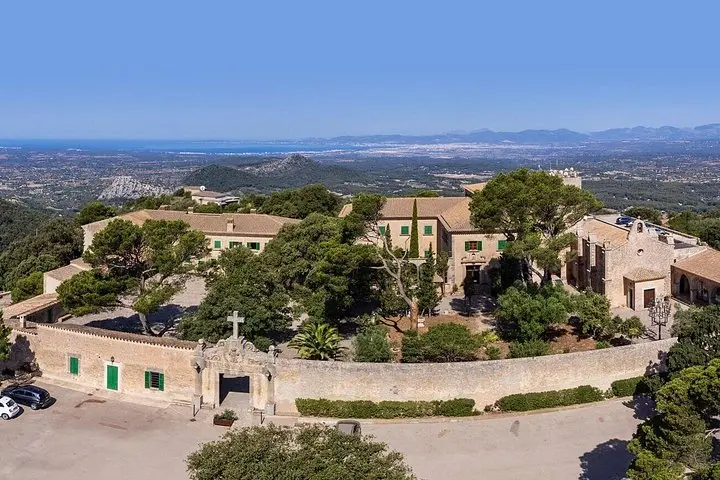
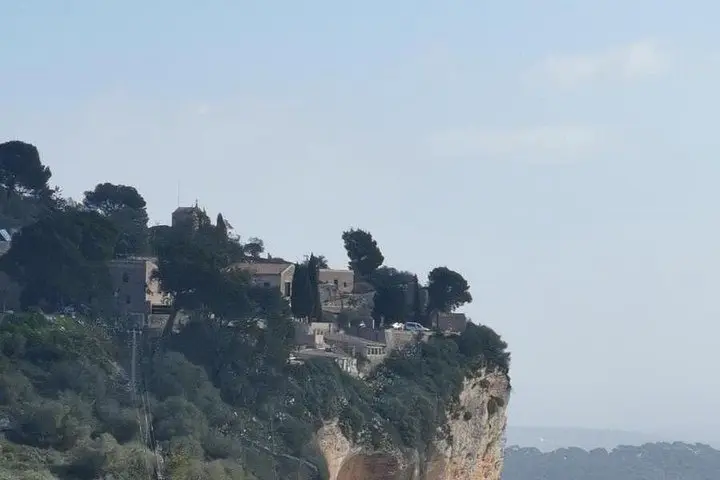
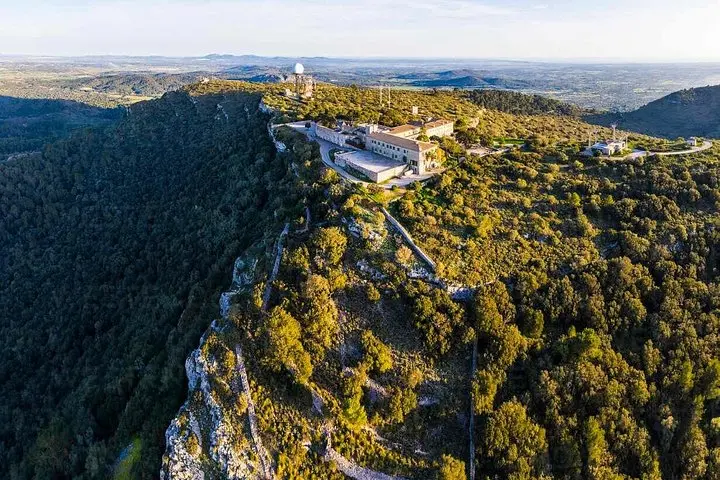
A dry wind moves through the pines as the minivan drops the group at the stone cluster of Randa. You step onto a sun-dappled path that climbs steadily, the island’s interior unfurling behind you while the coast pulls itself into view ahead. The trail threads through fragrant pine and scrub, passes small chapels carved into rock, and opens onto the terraces that lead to Santuari de Cura.
A dry wind moves through the pines as the minivan drops the group at the stone cluster of Randa. You step onto a sun-dappled path that climbs steadily, the island’s interior unfurling behind you while the coast pulls itself into view ahead. The trail threads through fragrant pine and scrub, passes small chapels carved into rock, and opens onto the terraces that lead to Santuari de Cura.
Puig de Randa has long been a waypoint for contemplatives — Ramon Llull practiced here in the 13th century — and the hill’s geology is typical of central Mallorca: calcareous limestone folded into ridges, with thin soils giving way to exposed rock and scattered oaks. Cultural touches appear as you climb: the 15th-century Santuari de Gràcia clinging to a face and the hermitage of Sant Honorat looking out over the plain.
Practically, expect an out-and-back of about 5 km one way with roughly 300 m of elevation gain on mixed dirt and stone paths; sections can be steep but are well-marked. The summit complex includes a small museum, chapel and a café with sweeping views to Cabrera and, on clear days, Ibiza.
Bring layered clothing, sturdy shoes, and water; start in the morning to avoid heat and to catch clearer views. The guided format—small groups and a short transfer from a central meeting point—makes this accessible for families and first-time hikers, while offering historical context that enriches the walk.
On arrival, allow time for the museum and the terrace views: the place invites quiet, short meditations, and a measured pace that honors both the landscape and its history.