THE ADVENTURE COLLECTIVE® · Independent discovery and booking for outdoor travel

Walk Pula with a local history teacher for two hours of Roman amphitheater views, Temple of Augustus, Zerostrasse tunnels and neighborhood stories. This private tour blends architectural detail with lived-in local insights—ideal for first-time visitors who want context with their photos.
Walk Pula with a local history teacher for two hours of Roman amphitheater views, Temple of Augustus, Zerostrasse tunnels and neighborhood stories. This private tour blends architectural detail with lived-in local insights—ideal for first-time visitors who want context with their photos.
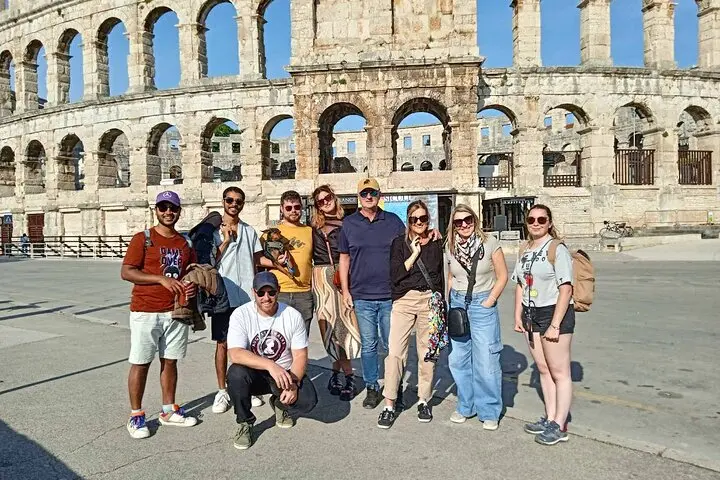
A soft Adriatic breeze moves across the Riva as a small group gathers in Park Nimfej, the guide in a white shirt—an anchor between modern life and ancient stone. The two-hour private walk threads through Pula’s compact old town, where Roman columns cast long shadows and the city’s layered past is readable in doorways, gates, and narrow lanes.
Verified experiences and guided adventures in the surrounding area.
Operated by Walking Tour Pula with a local - Augustus Walks · Pula, Istria
A soft Adriatic breeze moves across the Riva as a small group gathers in Park Nimfej, the guide in a white shirt—an anchor between modern life and ancient stone. The two-hour private walk threads through Pula’s compact old town, where Roman columns cast long shadows and the city’s layered past is readable in doorways, gates, and narrow lanes.
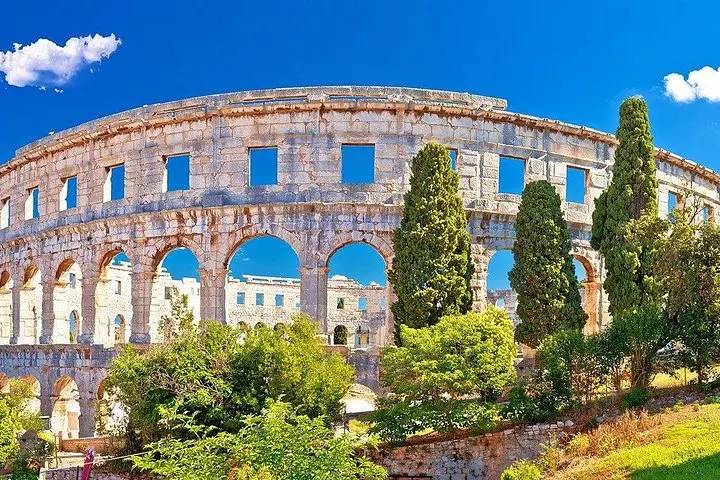
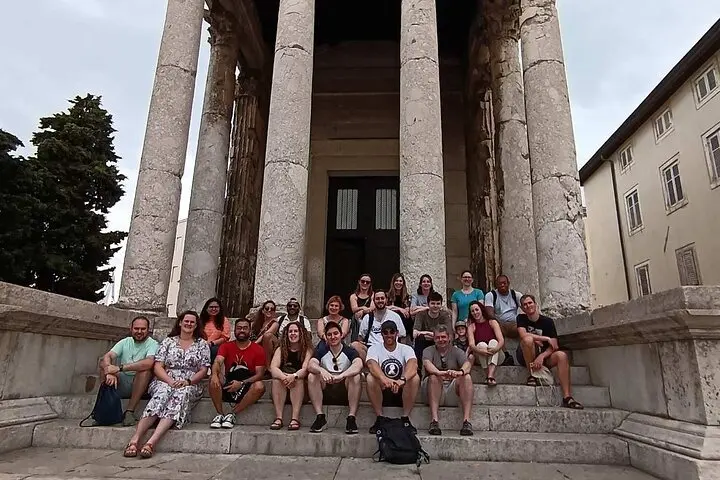
Pula’s story begins in the Roman period and remains visible: the Pula Arena, a first‑century amphitheater that still frames concerts and festivals; the Temple of Augustus, with its preserved Corinthian order; and the Forum, once the civic heart, now a working square. Beneath the streets, Zerostrasse—WWI-era tunnels—reminds visitors how strategic peninsula settlements have been across eras. Austro-Hungarian fortifications and local Istrian stonework add later chapters, while contemporary Pula weaves fishing, tourism, and regional food into everyday life.
This private format lets a local guide—here, a born-and-raised history teacher—connect architectural detail with neighborhood lore and the practical rhythms of modern Pula. Expect 1.5–2 km of walking on cobbles and pavement, brief stops to inspect façades and the Arena exterior, and a concluding pause at the Forum.
Practical notes: meet at Park Nimfej; wear sturdy shoes for uneven cobbles; arena admission is typically not included; bring water and a light layer for coastal winds. Morning or late-afternoon departures avoid the hottest hours and maximize light for photos. The tour is intimate, informative, and tailored by a guide who privileges context over checklist, making the city’s stones feel like conversation partners rather than relics.
Most private walking tours cover guiding only; arena or museum admissions are typically extra—confirm with the tour operator when booking.
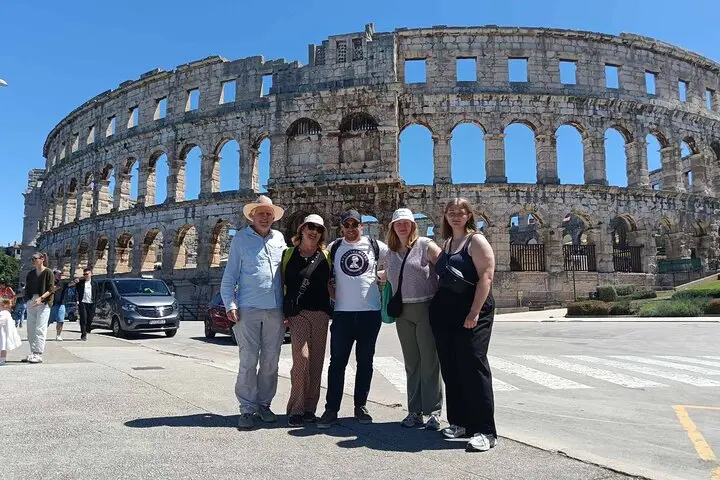
The tour begins at Park Nimfej between the Riva and the Karolina parking lot; the guide usually wears a white shirt with the company logo.
The listing notes wheelchair accessibility, but guests needing mobility assistance should notify the operator ahead of time to confirm route adjustments and access at specific sites.
Language options can vary by guide—confirm the language offered at booking to ensure a match.
Walking Tour Pula with a local - Augustus Walks operates guided outdoor trips and adventures with an emphasis on safety, stewardship, and memorable experiences.
A soft Adriatic breeze moves across the Riva as a small group gathers in Park Nimfej, the guide in a white shirt—an anchor between modern life and ancient stone. The two-hour private walk threads through Pula’s compact old town, where Roman columns cast long shadows and the city’s layered past is readable in doorways, gates, and narrow lanes.
A soft Adriatic breeze moves across the Riva as a small group gathers in Park Nimfej, the guide in a white shirt—an anchor between modern life and ancient stone. The two-hour private walk threads through Pula’s compact old town, where Roman columns cast long shadows and the city’s layered past is readable in doorways, gates, and narrow lanes.
Pula’s story begins in the Roman period and remains visible: the Pula Arena, a first‑century amphitheater that still frames concerts and festivals; the Temple of Augustus, with its preserved Corinthian order; and the Forum, once the civic heart, now a working square. Beneath the streets, Zerostrasse—WWI-era tunnels—reminds visitors how strategic peninsula settlements have been across eras. Austro-Hungarian fortifications and local Istrian stonework add later chapters, while contemporary Pula weaves fishing, tourism, and regional food into everyday life.
This private format lets a local guide—here, a born-and-raised history teacher—connect architectural detail with neighborhood lore and the practical rhythms of modern Pula. Expect 1.5–2 km of walking on cobbles and pavement, brief stops to inspect façades and the Arena exterior, and a concluding pause at the Forum.
Practical notes: meet at Park Nimfej; wear sturdy shoes for uneven cobbles; arena admission is typically not included; bring water and a light layer for coastal winds. Morning or late-afternoon departures avoid the hottest hours and maximize light for photos. The tour is intimate, informative, and tailored by a guide who privileges context over checklist, making the city’s stones feel like conversation partners rather than relics.