THE ADVENTURE COLLECTIVE® · Independent discovery and booking for outdoor travel

A day hike from Godawari Botanical Garden to Pulchoki summit offers an accessible escape from Kathmandu—forested trails, a shrine-topped viewpoint, and sweeping valley and Himalayan panoramas. This guide covers what to expect, how to prepare, and local insights to make the most of the day.
A day hike from Godawari Botanical Garden to Pulchoki summit offers an accessible escape from Kathmandu—forested trails, a shrine-topped viewpoint, and sweeping valley and Himalayan panoramas. This guide covers what to expect, how to prepare, and local insights to make the most of the day.
You step out of the city into a corridor of shade: towering pines and rhododendron clump the trail as it angles upward from Godawari Botanical Garden. The air is cooler here, a clean sharpness that seems to push the valley’s dust back into Kathmandu below. As the path climbs, the valley opens in stages—first the terraced foothills, then a broad sweep of rooftops, finally the Himalayan skyline threading the horizon.
Verified experiences and guided adventures in the surrounding area.
Operated by Couch Adventure Nepal (CAN) · Kathmandu, Bagmati Province
You step out of the city into a corridor of shade: towering pines and rhododendron clump the trail as it angles upward from Godawari Botanical Garden. The air is cooler here, a clean sharpness that seems to push the valley’s dust back into Kathmandu below. As the path climbs, the valley opens in stages—first the terraced foothills, then a broad sweep of rooftops, finally the Himalayan skyline threading the horizon.
Pulchoki (Phulchoki) is the highest hill bordering Kathmandu Valley, rising to roughly 2,760–2,770 m. The route follows forested tracks within Shivapuri-Nagarjun National Park and passes small shrines and stone markers that speak to local pilgrimage routes. Geologically the ridge is part of the Mahabharat Range; soils are thin in places, with exposed rock and root-strewn steps where heavy monsoon runoff carves the slope.
Culturally the area blends Newari and hill-farmer traditions—villagers maintain small shrines on the summit and seasonal flower-gathering has long tied communities to this land.
Practical guide: expect 6–8 hours round-trip depending on pace, with about 700–1,000 m of cumulative ascent from Godawari. Trails vary from compact dirt to loose stone; good traction and cautious descents are essential. Start early to avoid afternoon clouds and to secure the best valley views. Carry 1.5–2 L water, sun protection, layered clothing for fast temperature shifts, and some snacks. Mobile signal is intermittent; respect park rules, pack out waste, and give wildlife space—macaques are curious but untrusting companions. The hike is rewarding for casual trekkers wanting a full-day, accessible Nepal hill walk without full-route logistics.
Typical round-trip takes 6–8 hours with mostly graded forest trails and some steep sections; it’s considered easy to moderate for hikers used to sustained uphill walking.
Mobile signal is intermittent; there are no reliable food outlets on the trail—bring snacks and water.
For day hikers coming from Godawari there is usually a small park entry fee—check current local regulations and carry ID.
Many families and older walkers complete the route, but assess endurance for an 8-hour day and choose a comfortable pace with breaks.
Couch Adventure Nepal (CAN) operates guided outdoor trips and adventures with an emphasis on safety, stewardship, and memorable experiences.
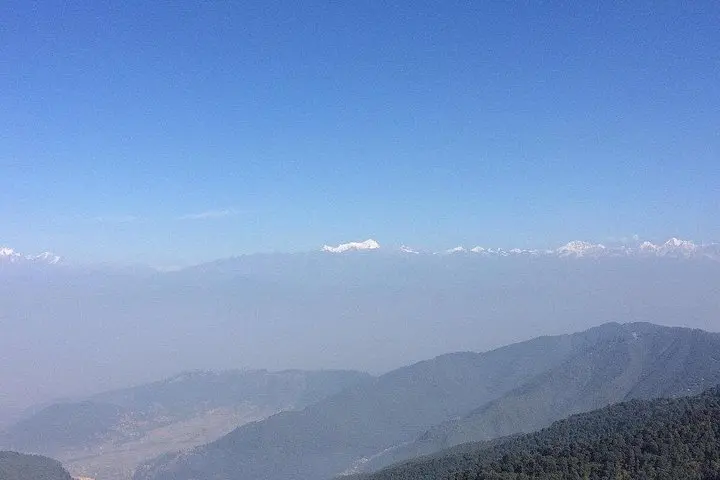
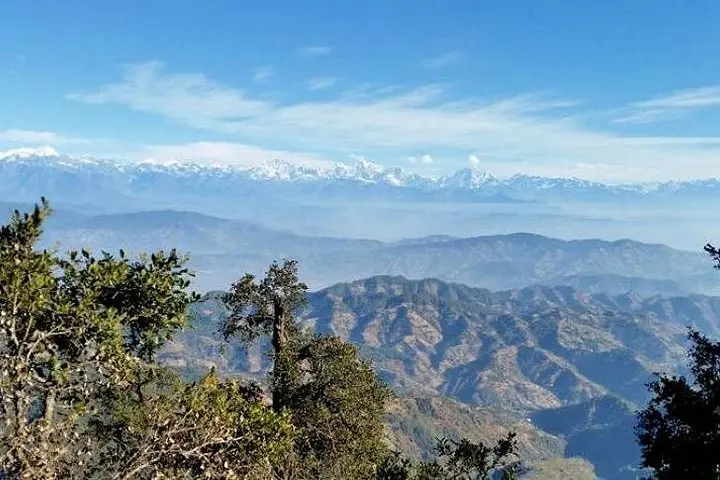
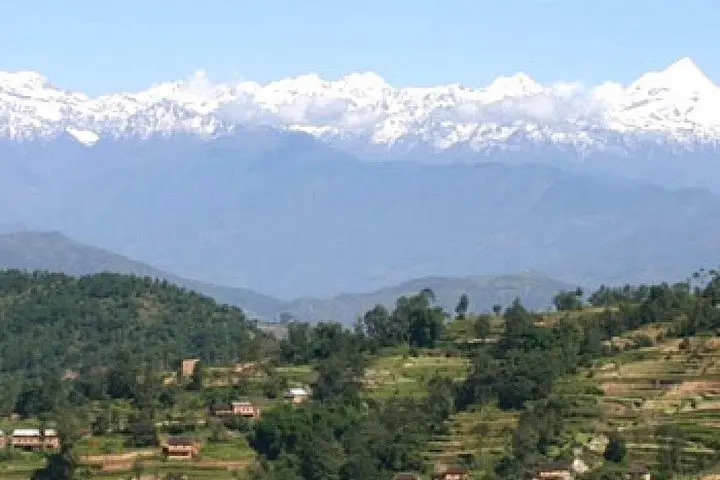
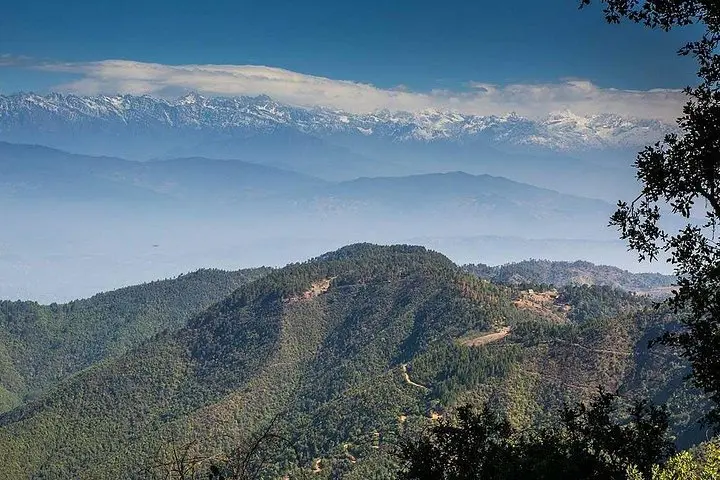
You step out of the city into a corridor of shade: towering pines and rhododendron clump the trail as it angles upward from Godawari Botanical Garden. The air is cooler here, a clean sharpness that seems to push the valley’s dust back into Kathmandu below. As the path climbs, the valley opens in stages—first the terraced foothills, then a broad sweep of rooftops, finally the Himalayan skyline threading the horizon.
You step out of the city into a corridor of shade: towering pines and rhododendron clump the trail as it angles upward from Godawari Botanical Garden. The air is cooler here, a clean sharpness that seems to push the valley’s dust back into Kathmandu below. As the path climbs, the valley opens in stages—first the terraced foothills, then a broad sweep of rooftops, finally the Himalayan skyline threading the horizon.
Pulchoki (Phulchoki) is the highest hill bordering Kathmandu Valley, rising to roughly 2,760–2,770 m. The route follows forested tracks within Shivapuri-Nagarjun National Park and passes small shrines and stone markers that speak to local pilgrimage routes. Geologically the ridge is part of the Mahabharat Range; soils are thin in places, with exposed rock and root-strewn steps where heavy monsoon runoff carves the slope.
Culturally the area blends Newari and hill-farmer traditions—villagers maintain small shrines on the summit and seasonal flower-gathering has long tied communities to this land.
Practical guide: expect 6–8 hours round-trip depending on pace, with about 700–1,000 m of cumulative ascent from Godawari. Trails vary from compact dirt to loose stone; good traction and cautious descents are essential. Start early to avoid afternoon clouds and to secure the best valley views. Carry 1.5–2 L water, sun protection, layered clothing for fast temperature shifts, and some snacks. Mobile signal is intermittent; respect park rules, pack out waste, and give wildlife space—macaques are curious but untrusting companions. The hike is rewarding for casual trekkers wanting a full-day, accessible Nepal hill walk without full-route logistics.