THE ADVENTURE COLLECTIVE® · Independent discovery and booking for outdoor travel

Explore the Pulo di Altamura: a dramatic karst sinkhole on the Alta Murgia plateau. This guided 3-hour excursion combines open plains, rocky rims, and archaeological traces with close-up raptor sightings and local culinary delights.
Explore the Pulo di Altamura: a dramatic karst sinkhole on the Alta Murgia plateau. This guided 3-hour excursion combines open plains, rocky rims, and archaeological traces with close-up raptor sightings and local culinary delights.
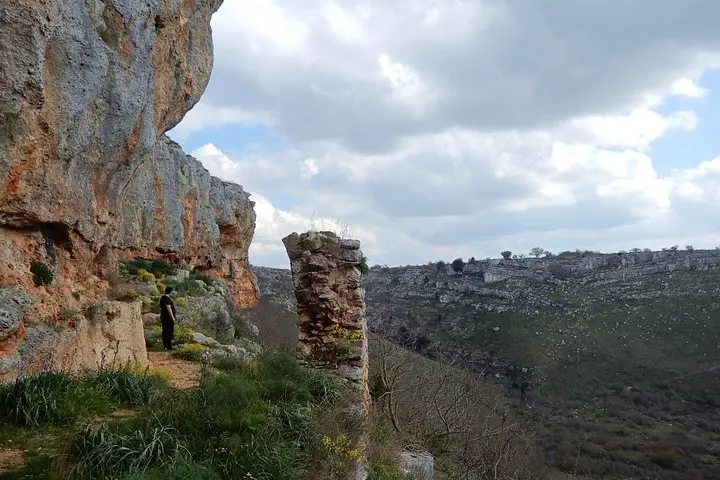
You step from a dusty lane into an abrupt amphitheatre of stone: the Pulo di Altamura opens beneath your feet, a collapsed karst basin more than 700 meters across, its rim cut by weathered limestone and scrub.
Verified experiences and guided adventures in the surrounding area.
Operated by Viandanti del Sud · Altamura, Puglia
You step from a dusty lane into an abrupt amphitheatre of stone: the Pulo di Altamura opens beneath your feet, a collapsed karst basin more than 700 meters across, its rim cut by weathered limestone and scrub.
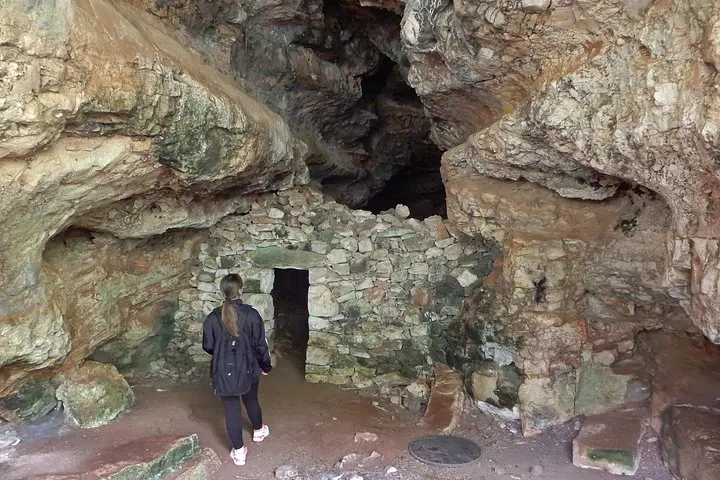
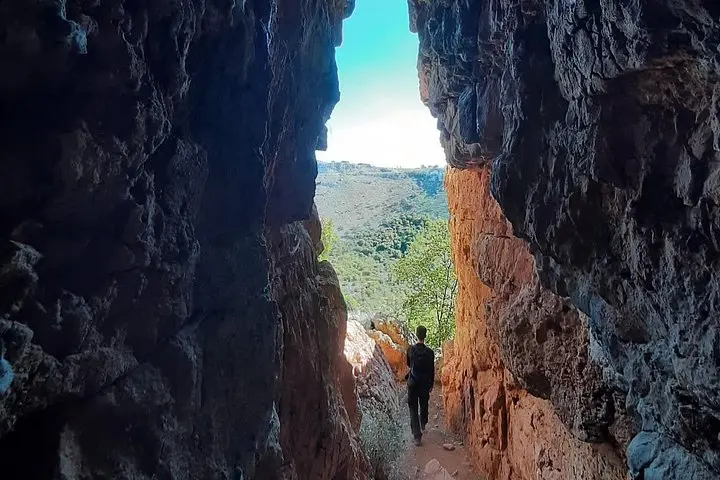
This walk threads the high, open plains of the Alta Murgia — wheat fields, ferula and asphodel meadows — with panoramic mule tracks and the occasional stone jazzi where shepherds once corralled flocks. The landscape records millennia: Neolithic deposits, medieval hermitages and engraved pebbles hint at continuous human use; the site’s name and form are the result of soluble limestone and subterranean caves collapsing after long groundwater erosion.
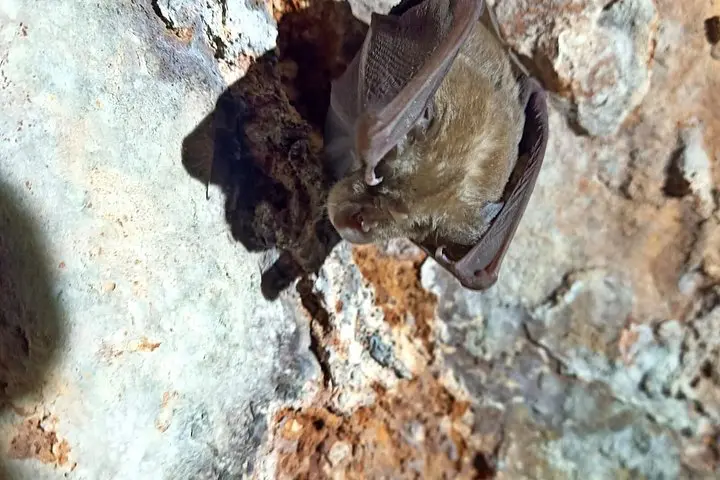
Culturally, this is bread country — nearby Altamura’s famous pane di Altamura uses local durum semolina and ovens whose methods date to the Middle Ages. Birdlife shapes the air here: kestrels and other raptors quarter the thermals above the sinkhole, and on calm days the vast horizon feels like a watchful companion.
Practical guide: the excursion is a 3-hour, moderate walk on uneven rocky tracks and grassy steps with short steep sections to viewpoints. Wear sturdy shoes with good grip, carry at least 1–2 liters of water, sun protection and a light wind layer. Respect marked paths to protect fragile karst and archaeological features; avoid entering unmarked caves. If you plan a visit in spring or autumn, expect wildflowers and cooler mornings; summer is hot and exposed, winter can be windy and frosty. Finish the outing in Altamura’s historic center for a loaf of bread and a practical sense of place.
The guided itinerary runs about 3 hours and is rated moderate: uneven, rocky tracks with short steep sections but no technical climbing.
Some caves are fragile and dangerous; only enter ones explicitly opened and guided by the tour operator—avoid unmarked cave entrances for safety and conservation reasons.
Small children can join with care; some parts are stroller- or wheelchair-accessible, but much of the rim and rocky tracks require mobility and sure footing.
Finish in Altamura to try pane di Altamura (durum wheat bread) and local olive oil; most cafés offer hearty sandwiches and regional pastries.
Viandanti del Sud operates guided outdoor trips and adventures with an emphasis on safety, stewardship, and memorable experiences.
You step from a dusty lane into an abrupt amphitheatre of stone: the Pulo di Altamura opens beneath your feet, a collapsed karst basin more than 700 meters across, its rim cut by weathered limestone and scrub.
You step from a dusty lane into an abrupt amphitheatre of stone: the Pulo di Altamura opens beneath your feet, a collapsed karst basin more than 700 meters across, its rim cut by weathered limestone and scrub.
This walk threads the high, open plains of the Alta Murgia — wheat fields, ferula and asphodel meadows — with panoramic mule tracks and the occasional stone jazzi where shepherds once corralled flocks. The landscape records millennia: Neolithic deposits, medieval hermitages and engraved pebbles hint at continuous human use; the site’s name and form are the result of soluble limestone and subterranean caves collapsing after long groundwater erosion.
Culturally, this is bread country — nearby Altamura’s famous pane di Altamura uses local durum semolina and ovens whose methods date to the Middle Ages. Birdlife shapes the air here: kestrels and other raptors quarter the thermals above the sinkhole, and on calm days the vast horizon feels like a watchful companion.
Practical guide: the excursion is a 3-hour, moderate walk on uneven rocky tracks and grassy steps with short steep sections to viewpoints. Wear sturdy shoes with good grip, carry at least 1–2 liters of water, sun protection and a light wind layer. Respect marked paths to protect fragile karst and archaeological features; avoid entering unmarked caves. If you plan a visit in spring or autumn, expect wildflowers and cooler mornings; summer is hot and exposed, winter can be windy and frosty. Finish the outing in Altamura’s historic center for a loaf of bread and a practical sense of place.