THE ADVENTURE COLLECTIVE® · Independent discovery and booking for outdoor travel

Explore one of the few inhabited volcanic craters in the world and stand on the equatorial line in a single day. This guided tour blends volcanic geology, highland farming culture, and hands-on exhibits at Mitad del Mundo.
Explore one of the few inhabited volcanic craters in the world and stand on the equatorial line in a single day. This guided tour blends volcanic geology, highland farming culture, and hands-on exhibits at Mitad del Mundo.
A cool mountain wind greets you as the van climbs out of Quito and the crater appears: a bowl of green fields and farms ringed by steep volcanic walls. From the Pululahua lookout the rim frames pasture, cloud-tipped peaks and terraces that locals still farm — the landscape feels alive, the crater almost theatrical in its scale.
Verified experiences and guided adventures in the surrounding area.
Operated by ANDEAN ESCAPE · Quito, Pichincha
A cool mountain wind greets you as the van climbs out of Quito and the crater appears: a bowl of green fields and farms ringed by steep volcanic walls. From the Pululahua lookout the rim frames pasture, cloud-tipped peaks and terraces that locals still farm — the landscape feels alive, the crater almost theatrical in its scale.
Pululahua is a rare inhabited volcanic caldera formed by explosive eruptions more than 200,000 years ago; its soils and microclimate support clouds of orchids and hummingbirds. Later the tour crosses to the Mitad del Mundo monument, the 20th-century marker placed where 18th-century French geodesists roughly calculated the equator. There’s local culture here too: small museums, demonstrations of indigenous crafts and the playful gravity experiments at Intiñan Museum.
Expect a day of short walks, viewpoints and cultural stops rather than technical hiking: total driving is roughly 40–60 minutes each way from Quito, with a 6–8 hour itinerary on-site. Elevations hover around 2,600–2,800 meters, so light acclimatization helps; terrain at Pululahua is a mix of paved lookouts and dirt farm tracks with modest inclines.
Practical: bring layered clothing for sun, wind and sudden cloud; high-altitude sun protection; and comfortable walking shoes. Hydrate before and during the day and allow extra time for photography and museum stops. A bilingual guide will orient you to geology, local farming and the cultural significance of standing over the equator — a compact, accessible slice of northern Ecuador’s highlands.
The tour runs about 6–8 hours and typically includes private transportation, bilingual guide, hotel pickup/drop-off and visits to Pululahua viewpoints and Mitad del Mundo (museum admission may be separate).
Yes—elevations are around 2,600–2,800 m; allow time in Quito to acclimate, drink water, eat lightly and avoid sudden exertion if you feel unwell.
The monument marks the historic, symbolic equator line; GPS measurements show the true equator is nearby and many museums display the difference and interactive experiments.
Generally yes; the tour is vehicle-based with short walks and lookout points, but those with serious heart or respiratory issues should consult a doctor due to altitude.
ANDEAN ESCAPE operates guided outdoor trips and adventures with an emphasis on safety, stewardship, and memorable experiences.
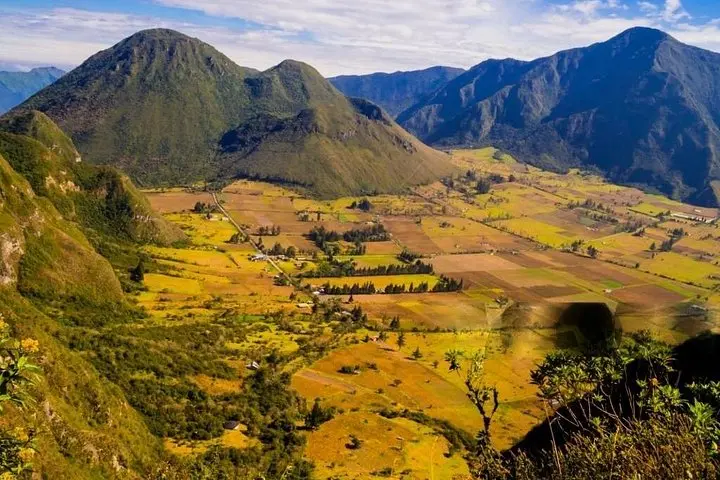
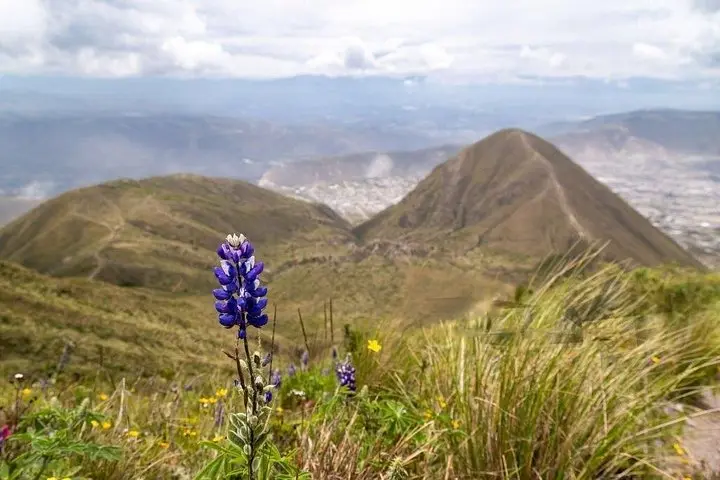
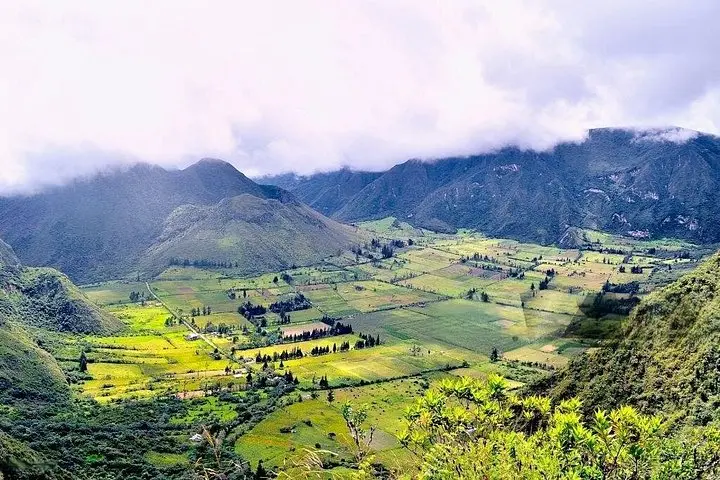
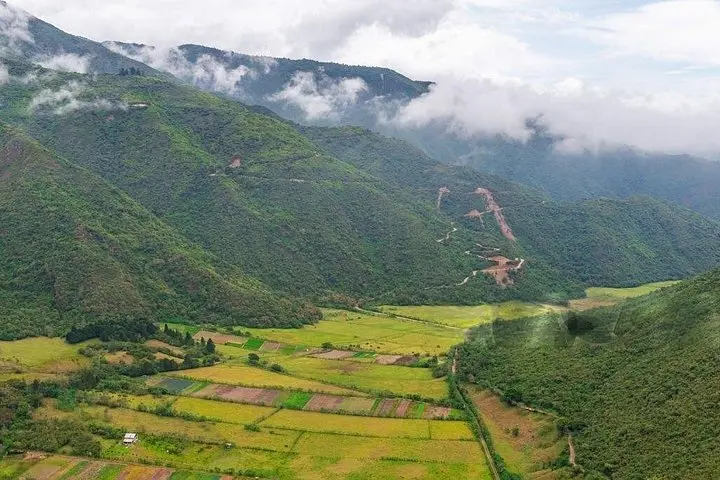
A cool mountain wind greets you as the van climbs out of Quito and the crater appears: a bowl of green fields and farms ringed by steep volcanic walls. From the Pululahua lookout the rim frames pasture, cloud-tipped peaks and terraces that locals still farm — the landscape feels alive, the crater almost theatrical in its scale.
A cool mountain wind greets you as the van climbs out of Quito and the crater appears: a bowl of green fields and farms ringed by steep volcanic walls. From the Pululahua lookout the rim frames pasture, cloud-tipped peaks and terraces that locals still farm — the landscape feels alive, the crater almost theatrical in its scale.
Pululahua is a rare inhabited volcanic caldera formed by explosive eruptions more than 200,000 years ago; its soils and microclimate support clouds of orchids and hummingbirds. Later the tour crosses to the Mitad del Mundo monument, the 20th-century marker placed where 18th-century French geodesists roughly calculated the equator. There’s local culture here too: small museums, demonstrations of indigenous crafts and the playful gravity experiments at Intiñan Museum.
Expect a day of short walks, viewpoints and cultural stops rather than technical hiking: total driving is roughly 40–60 minutes each way from Quito, with a 6–8 hour itinerary on-site. Elevations hover around 2,600–2,800 meters, so light acclimatization helps; terrain at Pululahua is a mix of paved lookouts and dirt farm tracks with modest inclines.
Practical: bring layered clothing for sun, wind and sudden cloud; high-altitude sun protection; and comfortable walking shoes. Hydrate before and during the day and allow extra time for photography and museum stops. A bilingual guide will orient you to geology, local farming and the cultural significance of standing over the equator — a compact, accessible slice of northern Ecuador’s highlands.