THE ADVENTURE COLLECTIVE® · Independent discovery and booking for outdoor travel

Ride from Pokhara to the wide ridge of Pumdikot on a full‑day tour that combines steady mountain trails, panoramic Annapurna views, and local culture. This guide covers what to expect, terrain notes, and practical tips to plan your day.
Ride from Pokhara to the wide ridge of Pumdikot on a full‑day tour that combines steady mountain trails, panoramic Annapurna views, and local culture. This guide covers what to expect, terrain notes, and practical tips to plan your day.
Morning light washes the ridgeline as hooves crunch on a narrow dirt track: riders skirt terraced fields, pass pine copses, and climb toward the open ridge of Pumdikot where Annapurna and Machapuchare erupt above the valley.
Verified experiences and guided adventures in the surrounding area.
Operated by CAN Travels · Pokhara, Gandaki Province
Morning light washes the ridgeline as hooves crunch on a narrow dirt track: riders skirt terraced fields, pass pine copses, and climb toward the open ridge of Pumdikot where Annapurna and Machapuchare erupt above the valley.
The route follows traditional mountain trails used by local farmers and pilgrims. Geologically the ridgeline is part of the Lesser Himalaya—folded schists and river-polished gravels—so expect firm rocky tread that opens to broad vistas. Culturally, the area sits within the Kaski district, and Gurung and Magar villages dot the slopes; you’ll see small mani walls, prayer flags, and seasonal farms that still move livestock between elevations.
Guides for local horse tours are typically from nearby villages and combine basic horsemanship with knowledge of the landscape—this is a low-impact way to reach viewpoints without road access. Wildlife is subtle: Himalayan bulbuls and rhesus macaques frequent the trees, while morning thermals stir migratory raptors over the valley.
Practically, riders should plan a full day (6–8 hours including transfers and picnic), wear ankle-support boots, and layer for sun and wind—the ridge can be sharp even when Pokhara is warm. Bring water, sun protection, and small cash for local purchases and tips. Guides provide a pony and handler for mixed-ability groups; those with back problems or pregnancy should avoid the ride. Pickup and drop-off from Pokhara are usually included; check meeting times carefully. Schedule rides for early morning or late afternoon to catch the clearest mountain light and the most comfortable temperatures.
The tour is marketed as full-day to include pickup, travel to Pumdikot, several hours of riding, a picnic break, and return to Pokhara—plan for 6–8 hours.
No—guides accommodate beginners with handlers and suitable horses, though basic balance and the ability to follow instructions make the day more comfortable.
This activity is not recommended for pregnant travelers or those with serious spinal or cardiovascular conditions; disclose health issues when booking.
Most full-day operators include a picnic lunch and a bottle of mineral water, but bring extra water and snacks if you prefer more than what’s provided.
CAN Travels operates guided outdoor trips and adventures with an emphasis on safety, stewardship, and memorable experiences.
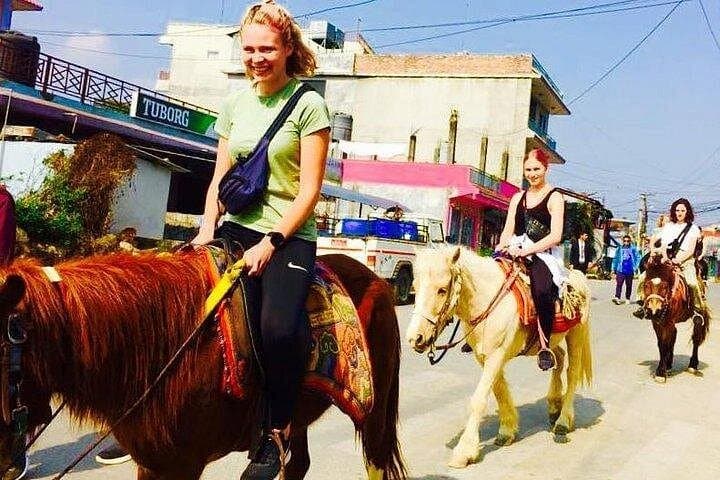
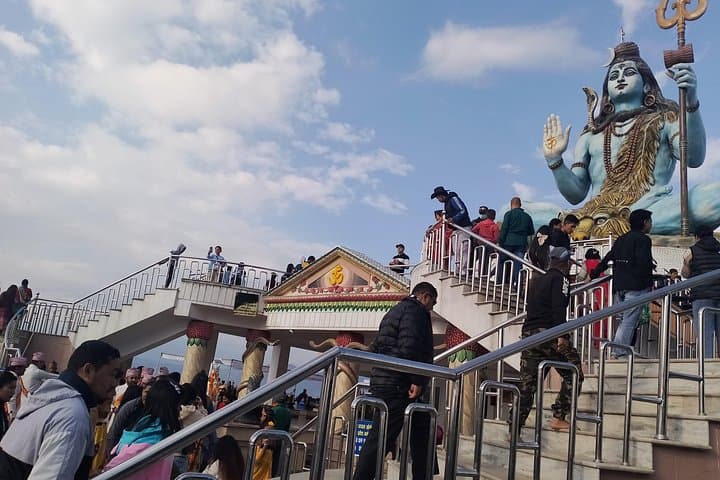
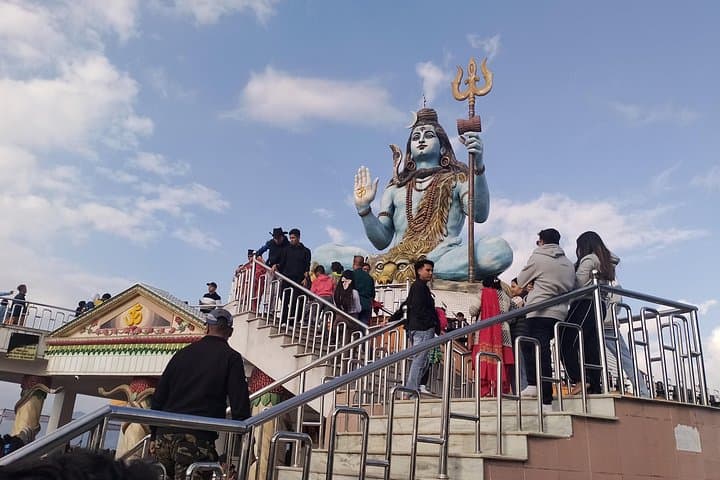
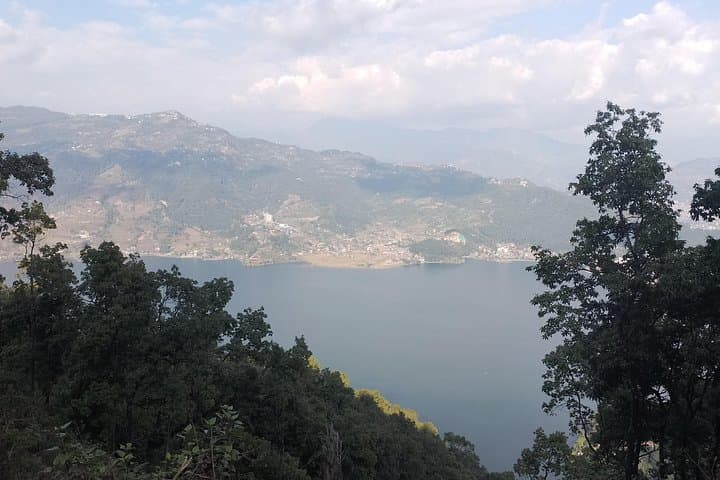
Morning light washes the ridgeline as hooves crunch on a narrow dirt track: riders skirt terraced fields, pass pine copses, and climb toward the open ridge of Pumdikot where Annapurna and Machapuchare erupt above the valley.
Morning light washes the ridgeline as hooves crunch on a narrow dirt track: riders skirt terraced fields, pass pine copses, and climb toward the open ridge of Pumdikot where Annapurna and Machapuchare erupt above the valley.
The route follows traditional mountain trails used by local farmers and pilgrims. Geologically the ridgeline is part of the Lesser Himalaya—folded schists and river-polished gravels—so expect firm rocky tread that opens to broad vistas. Culturally, the area sits within the Kaski district, and Gurung and Magar villages dot the slopes; you’ll see small mani walls, prayer flags, and seasonal farms that still move livestock between elevations.
Guides for local horse tours are typically from nearby villages and combine basic horsemanship with knowledge of the landscape—this is a low-impact way to reach viewpoints without road access. Wildlife is subtle: Himalayan bulbuls and rhesus macaques frequent the trees, while morning thermals stir migratory raptors over the valley.
Practically, riders should plan a full day (6–8 hours including transfers and picnic), wear ankle-support boots, and layer for sun and wind—the ridge can be sharp even when Pokhara is warm. Bring water, sun protection, and small cash for local purchases and tips. Guides provide a pony and handler for mixed-ability groups; those with back problems or pregnancy should avoid the ride. Pickup and drop-off from Pokhara are usually included; check meeting times carefully. Schedule rides for early morning or late afternoon to catch the clearest mountain light and the most comfortable temperatures.