THE ADVENTURE COLLECTIVE® · Independent discovery and booking for outdoor travel

A gentle day hike from Pokhara to Pumdikot and the World Peace Stupa, this private tour delivers lake-and-peak panoramas with easy walking, a village lunch, and optional boat access across Fewa. Ideal for travelers short on time who still want big Himalayan views.
A gentle day hike from Pokhara to Pumdikot and the World Peace Stupa, this private tour delivers lake-and-peak panoramas with easy walking, a village lunch, and optional boat access across Fewa. Ideal for travelers short on time who still want big Himalayan views.
You start before the city sleeps, the road out of Pokhara yawning into terraced hills and the first light laying a pale ribbon across Fewa Lake. The car drops you at a quiet trailhead; the village path climbs through farmland and pine, the wind nudging you toward a ridge where Machhapuchhre (Fishtail) and the Annapurna range wait like silent guards.
Verified experiences and guided adventures in the surrounding area.
Operated by Trip Pokhara Pvt. Ltd · Pokhara, Gandaki Province
You start before the city sleeps, the road out of Pokhara yawning into terraced hills and the first light laying a pale ribbon across Fewa Lake. The car drops you at a quiet trailhead; the village path climbs through farmland and pine, the wind nudging you toward a ridge where Machhapuchhre (Fishtail) and the Annapurna range wait like silent guards.
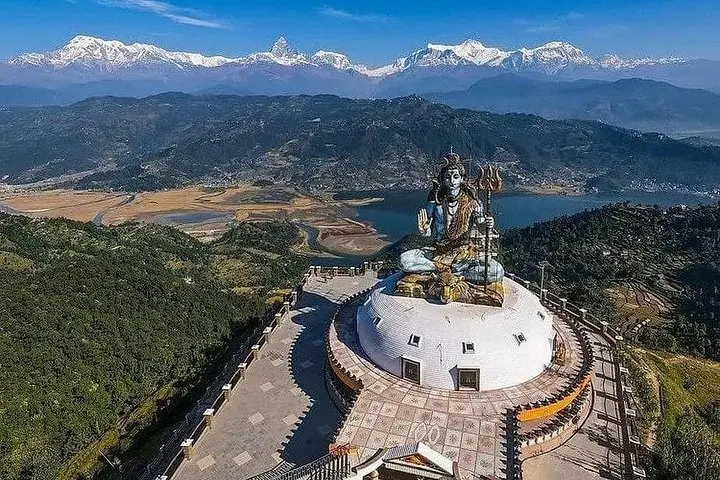
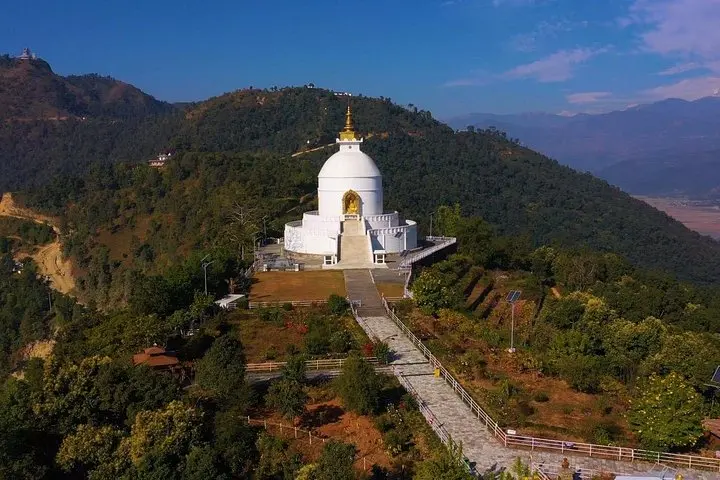
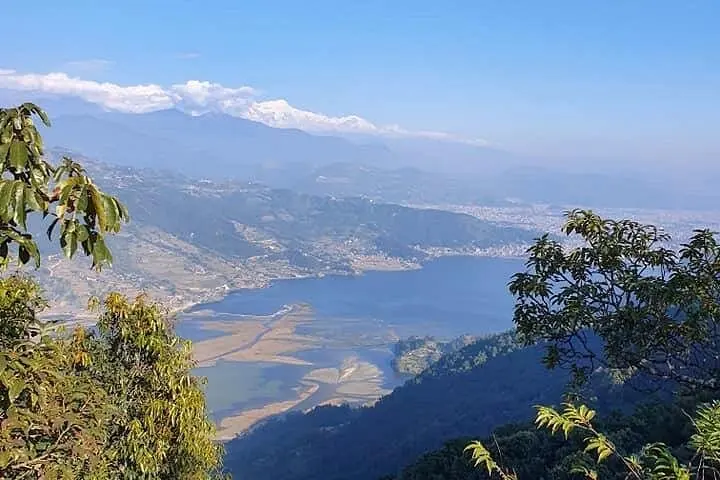
Pumdikot is a living Nepali village—simple stone houses, prayer flags, and a hilltop Mahadev shrine that locals maintain. The nearby Peace Stupa was built by Japanese Buddhist monks in the 1970s and offers an uncluttered panorama of lake, city and peaks; you can approach it by a short trek from the road or add a gentle boat crossing across Fewa for variety.
Geology here is the Himalayan foothills: weathered schist and greywacke chiselled into ridgelines that catch sun and shadow. Culturally, the area reflects Gurung and Brahmin traditions—expect small hillside shrines, seasonal crops and villagers tending terraces.
Practically: trails are largely well-worn dirt and stone steps with short steeper pitches; most groups cover 4–8 km of walking and spend 2–3 hours on foot plus drives and a relaxed lunch in Pumdikot village. Bring sturdy shoes, layered clothing for sharp mountain sun and cool winds, 2 liters of water, and a camera with a wide lens—the views shift quickly.
Timing your hike for morning light or late afternoon improves visibility and comfort. Respect temple etiquette, carry out trash, and be ready for easy, rewarding terrain that feels remote while staying close to Pokhara’s comforts.
Yes—trails are described as easy, with short uphill sections; basic mobility and a reasonable fitness level are sufficient.
No—the stupa can be reached by road and a short climb, but many travelers add a scenic boat crossing of Fewa Lake for variety.
Lunch at Pumdikot Mountain Village is included in the tour, typically local Nepali dishes served at a village tea house.
Private tours commonly include pickup from central Pokhara hotels—confirm your exact pickup point when booking.
Trip Pokhara Pvt. Ltd operates guided outdoor trips and adventures with an emphasis on safety, stewardship, and memorable experiences.
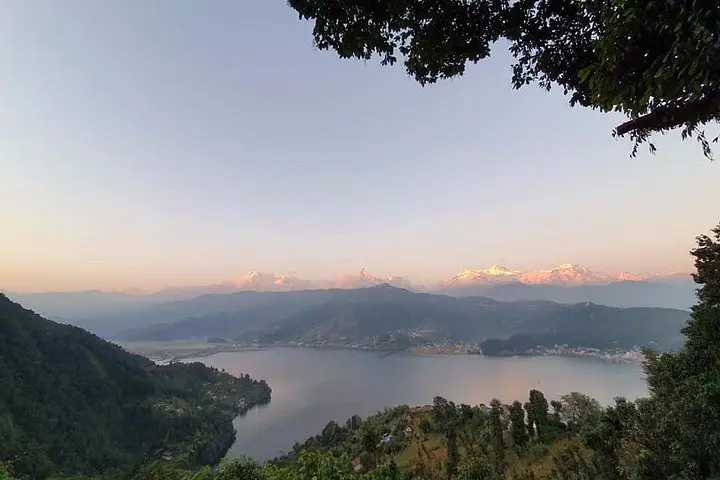
You start before the city sleeps, the road out of Pokhara yawning into terraced hills and the first light laying a pale ribbon across Fewa Lake. The car drops you at a quiet trailhead; the village path climbs through farmland and pine, the wind nudging you toward a ridge where Machhapuchhre (Fishtail) and the Annapurna range wait like silent guards.
You start before the city sleeps, the road out of Pokhara yawning into terraced hills and the first light laying a pale ribbon across Fewa Lake. The car drops you at a quiet trailhead; the village path climbs through farmland and pine, the wind nudging you toward a ridge where Machhapuchhre (Fishtail) and the Annapurna range wait like silent guards.
Pumdikot is a living Nepali village—simple stone houses, prayer flags, and a hilltop Mahadev shrine that locals maintain. The nearby Peace Stupa was built by Japanese Buddhist monks in the 1970s and offers an uncluttered panorama of lake, city and peaks; you can approach it by a short trek from the road or add a gentle boat crossing across Fewa for variety.
Geology here is the Himalayan foothills: weathered schist and greywacke chiselled into ridgelines that catch sun and shadow. Culturally, the area reflects Gurung and Brahmin traditions—expect small hillside shrines, seasonal crops and villagers tending terraces.
Practically: trails are largely well-worn dirt and stone steps with short steeper pitches; most groups cover 4–8 km of walking and spend 2–3 hours on foot plus drives and a relaxed lunch in Pumdikot village. Bring sturdy shoes, layered clothing for sharp mountain sun and cool winds, 2 liters of water, and a camera with a wide lens—the views shift quickly.
Timing your hike for morning light or late afternoon improves visibility and comfort. Respect temple etiquette, carry out trash, and be ready for easy, rewarding terrain that feels remote while staying close to Pokhara’s comforts.