THE ADVENTURE COLLECTIVE® · Independent discovery and booking for outdoor travel

Taste Pune’s street-food staples on a three-hour guided walk that samples sabudana vada, misal pav, bakarwadi and vada pav while exploring market lanes and legacy bakeries. Learn the origins and traditions behind each bite.
Taste Pune’s street-food staples on a three-hour guided walk that samples sabudana vada, misal pav, bakarwadi and vada pav while exploring market lanes and legacy bakeries. Learn the origins and traditions behind each bite.
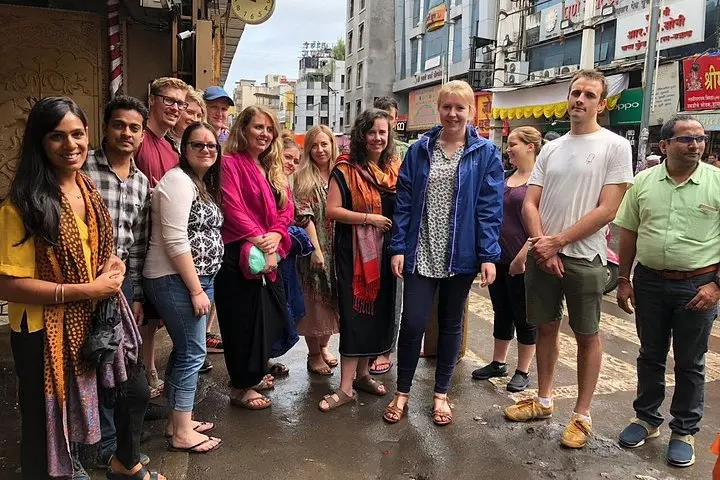
You step off the shaded pavement into a corridor of steam, sizzling oil and voices — Pune’s food lanes insist on attention. The walk threads through dense market streets where vendors flip batter into golden discs and bakeries push warm clouds of buttered biscuits into the sidewalk air.
Verified experiences and guided adventures in the surrounding area.
Operated by 5 Senses Walks Pune · Pune, Maharashtra
You step off the shaded pavement into a corridor of steam, sizzling oil and voices — Pune’s food lanes insist on attention. The walk threads through dense market streets where vendors flip batter into golden discs and bakeries push warm clouds of buttered biscuits into the sidewalk air.
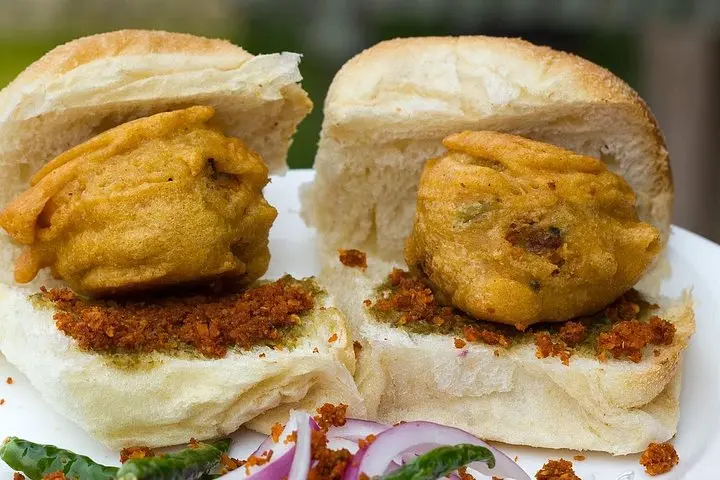
The tour focuses on Marathi street classics: sabudana vada, a festival-day fried dough that crunches and then melts; misal pav, a spicy moth-bean stew topped with sev and lemon that traces back to rural Maharashtrian kitchens; bakarwadi, a tightly rolled, spiced pastry with roots in Gujarati and Marathi kitchens; and vada pav, the city’s beloved street sandwich born from colonial-era ingredient exchange.
Geology and climate matter here — Pune’s Deccan plateau soils produced the regional pulses and grains that shaped local recipes, and the monsoon season transforms lanes into steam rooms where spices bloom. Cultural threads run deep: recipes are handed down through family shops and legacy bakeries like Kayani, which preserve colonial-era biscuit styles alongside local flavors.
Practical guidance: this is a three-hour, low-impact urban walk with multiple short stops. Come hungry but pace yourself; portions are tasting-sized but rich. Wear comfortable shoes for uneven sidewalks, carry a refillable water bottle, and alert guides to allergies — many items contain nuts, dairy or gluten. Bring small-denomination cash for purchases and leave bulky bags at your hotel; narrow streets fill quickly. Go early to avoid heat and to catch the freshest fried snacks straight from the griddle.
Yes — the itinerary specifies included snacks at each stop such as sabudana vada, misal pav, bakery items and bakarwadi; additional purchases are optional.
This is a city walk along busy, uneven sidewalks with steps at some venues; accessibility may be limited—contact the operator to confirm accommodations.
Guides can often adjust stops or skip items, but many dishes share preparation spaces; notify the operator at booking for best arrangements.
Arrive 10–15 minutes early; the tour requires at least 24 hours’ notice for a full refund if cancelled.
5 Senses Walks Pune operates guided outdoor trips and adventures with an emphasis on safety, stewardship, and memorable experiences.

You step off the shaded pavement into a corridor of steam, sizzling oil and voices — Pune’s food lanes insist on attention. The walk threads through dense market streets where vendors flip batter into golden discs and bakeries push warm clouds of buttered biscuits into the sidewalk air.
You step off the shaded pavement into a corridor of steam, sizzling oil and voices — Pune’s food lanes insist on attention. The walk threads through dense market streets where vendors flip batter into golden discs and bakeries push warm clouds of buttered biscuits into the sidewalk air.
The tour focuses on Marathi street classics: sabudana vada, a festival-day fried dough that crunches and then melts; misal pav, a spicy moth-bean stew topped with sev and lemon that traces back to rural Maharashtrian kitchens; bakarwadi, a tightly rolled, spiced pastry with roots in Gujarati and Marathi kitchens; and vada pav, the city’s beloved street sandwich born from colonial-era ingredient exchange.
Geology and climate matter here — Pune’s Deccan plateau soils produced the regional pulses and grains that shaped local recipes, and the monsoon season transforms lanes into steam rooms where spices bloom. Cultural threads run deep: recipes are handed down through family shops and legacy bakeries like Kayani, which preserve colonial-era biscuit styles alongside local flavors.
Practical guidance: this is a three-hour, low-impact urban walk with multiple short stops. Come hungry but pace yourself; portions are tasting-sized but rich. Wear comfortable shoes for uneven sidewalks, carry a refillable water bottle, and alert guides to allergies — many items contain nuts, dairy or gluten. Bring small-denomination cash for purchases and leave bulky bags at your hotel; narrow streets fill quickly. Go early to avoid heat and to catch the freshest fried snacks straight from the griddle.