THE ADVENTURE COLLECTIVE® · Independent discovery and booking for outdoor travel

Walk Old Pune’s busy lanes with a local guide, visiting Shaniwar Wada, Lal Mahal, bustling markets and landmark temples in three hours. This compact cultural tour packs history, ritual, and market life into a single, walkable route.
Walk Old Pune’s busy lanes with a local guide, visiting Shaniwar Wada, Lal Mahal, bustling markets and landmark temples in three hours. This compact cultural tour packs history, ritual, and market life into a single, walkable route.
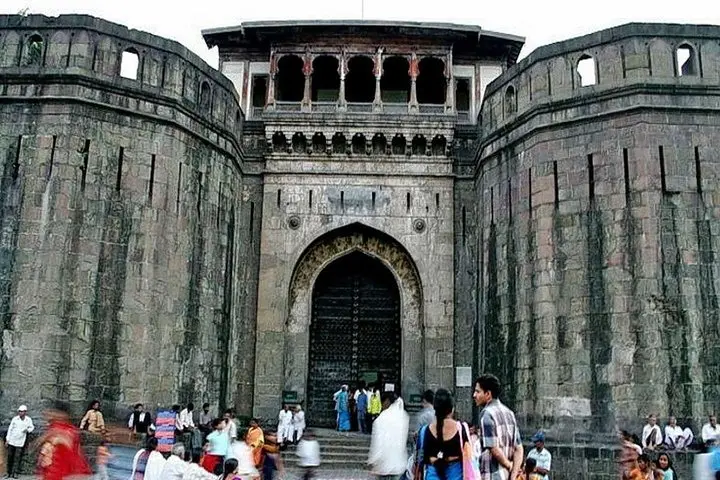
Step off a tuk-tuk into the hum of Old Pune and the city immediately feels alive — horns, shopkeepers calling prices, the smell of spice and incense. The three-hour walk threads through narrow lanes to Shaniwar Wada’s scarred ramparts, past Lal Mahal’s modest façade, and into the holy bustle of Kasba and Dagadusheth Ganapati temples.
Verified experiences and guided adventures in the surrounding area.
Operated by Go City Adventures · Pune, Maharashtra
Step off a tuk-tuk into the hum of Old Pune and the city immediately feels alive — horns, shopkeepers calling prices, the smell of spice and incense. The three-hour walk threads through narrow lanes to Shaniwar Wada’s scarred ramparts, past Lal Mahal’s modest façade, and into the holy bustle of Kasba and Dagadusheth Ganapati temples.
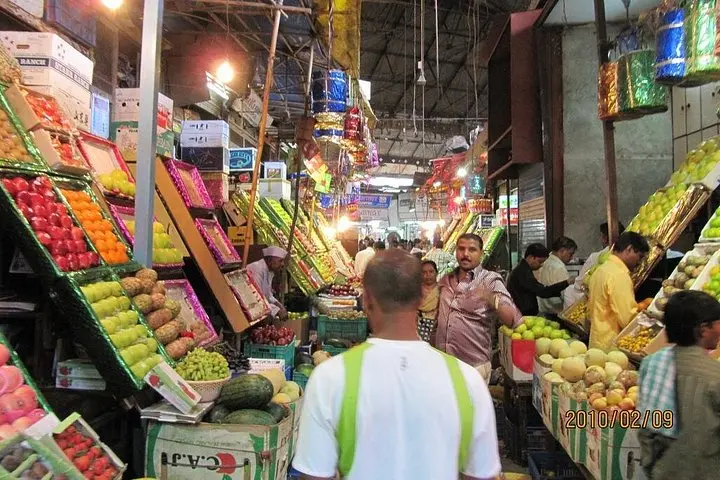
Shaniwar Wada was the seat of the Peshwa administration in the 18th century; its ruined walls still outline the Maratha power that remade western India. Lal Mahal connects visitors to Shivaji Maharaj’s early life, while Vishrambaug Wada shows early 19th-century Peshwa domestic architecture. Jyotiba Phule Mandai is the city’s principal produce market—less a curated attraction and more a living snapshot of daily Pune.
Geologically this is Deccan Plateau terrain: compact laterite soils and low, flat gradients that make the routes walkable but often sun-exposed. The cultural rhythms — temple bells, vendors arranging produce, and ritual shoe removal before inner sanctums — set the pace more than distance.
Practical guidance: the route is approximately 3 hours of mostly flat walking with frequent stops; bring a reusable water bottle and wear shoes that are easy to remove for temples. Cover knees and shoulders in sacred spaces. Expect tight lanes and quick-moving local traffic; tuk-tuk transfers are included between some points.
Plan mornings or late afternoons to avoid summer heat and monsoon rush. A local English-speaking guide provides context and navigates permissions at religious sites, so you’ll leave with a compact, informed portrait of Pune’s civic and spiritual life.
Yes—children who can walk for up to three hours and tolerate crowds will enjoy it; consider timing around nap schedules.
Yes; shoes must be removed at sanctums and knees/shoulders should be covered—carry easy-to-remove footwear.
Much of Old Pune has narrow lanes and steps; accessibility is limited—contact the operator to discuss options.
Yes—short tuk-tuk rides and hotel pickup are included to connect several points on the route.
Go City Adventures operates guided outdoor trips and adventures with an emphasis on safety, stewardship, and memorable experiences.
Step off a tuk-tuk into the hum of Old Pune and the city immediately feels alive — horns, shopkeepers calling prices, the smell of spice and incense. The three-hour walk threads through narrow lanes to Shaniwar Wada’s scarred ramparts, past Lal Mahal’s modest façade, and into the holy bustle of Kasba and Dagadusheth Ganapati temples.
Step off a tuk-tuk into the hum of Old Pune and the city immediately feels alive — horns, shopkeepers calling prices, the smell of spice and incense. The three-hour walk threads through narrow lanes to Shaniwar Wada’s scarred ramparts, past Lal Mahal’s modest façade, and into the holy bustle of Kasba and Dagadusheth Ganapati temples.
Shaniwar Wada was the seat of the Peshwa administration in the 18th century; its ruined walls still outline the Maratha power that remade western India. Lal Mahal connects visitors to Shivaji Maharaj’s early life, while Vishrambaug Wada shows early 19th-century Peshwa domestic architecture. Jyotiba Phule Mandai is the city’s principal produce market—less a curated attraction and more a living snapshot of daily Pune.
Geologically this is Deccan Plateau terrain: compact laterite soils and low, flat gradients that make the routes walkable but often sun-exposed. The cultural rhythms — temple bells, vendors arranging produce, and ritual shoe removal before inner sanctums — set the pace more than distance.
Practical guidance: the route is approximately 3 hours of mostly flat walking with frequent stops; bring a reusable water bottle and wear shoes that are easy to remove for temples. Cover knees and shoulders in sacred spaces. Expect tight lanes and quick-moving local traffic; tuk-tuk transfers are included between some points.
Plan mornings or late afternoons to avoid summer heat and monsoon rush. A local English-speaking guide provides context and navigates permissions at religious sites, so you’ll leave with a compact, informed portrait of Pune’s civic and spiritual life.