THE ADVENTURE COLLECTIVE® · Independent discovery and booking for outdoor travel

Fly from Pune to Delhi and make a full-day visit to the Taj Mahal and Agra Fort before returning the same night. This tightly scheduled day trip covers the essentials—marble inlay, Mughal history, and riverside views—while leaving room for practical tips on timing and logistics.
Fly from Pune to Delhi and make a full-day visit to the Taj Mahal and Agra Fort before returning the same night. This tightly scheduled day trip covers the essentials—marble inlay, Mughal history, and riverside views—while leaving room for practical tips on timing and logistics.
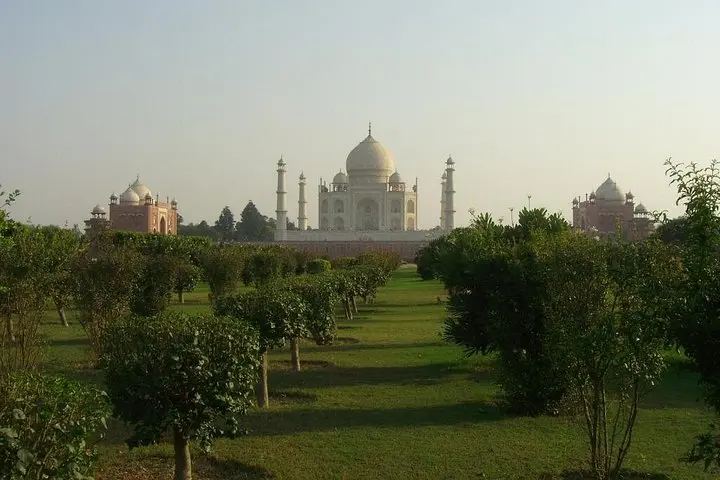
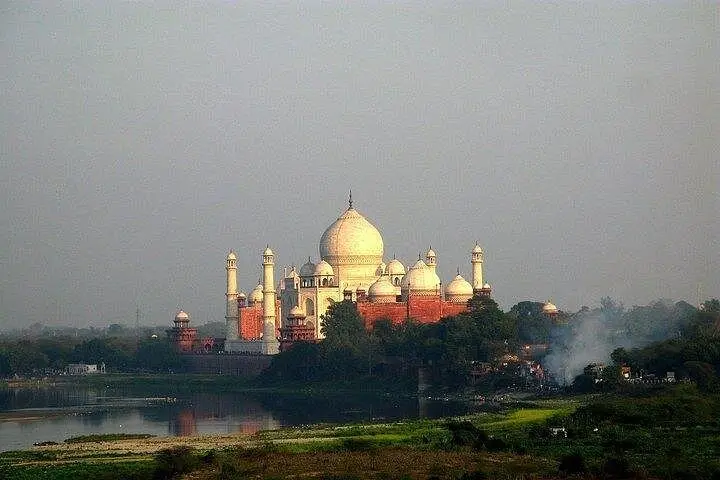
A pale pre-dawn in Pune, a quick airport shuffle and then the hum of a short flight — by midday the Taj Mahal appears across the river like an argument in marble and light. You step onto polished plinths, the air carrying the distant call of street vendors and the steady whisper of the Yamuna watching the monument’s reflection.
Verified experiences and guided adventures in the surrounding area.
Operated by SITA World Tours · Agra, Uttar Pradesh
A pale pre-dawn in Pune, a quick airport shuffle and then the hum of a short flight — by midday the Taj Mahal appears across the river like an argument in marble and light. You step onto polished plinths, the air carrying the distant call of street vendors and the steady whisper of the Yamuna watching the monument’s reflection.
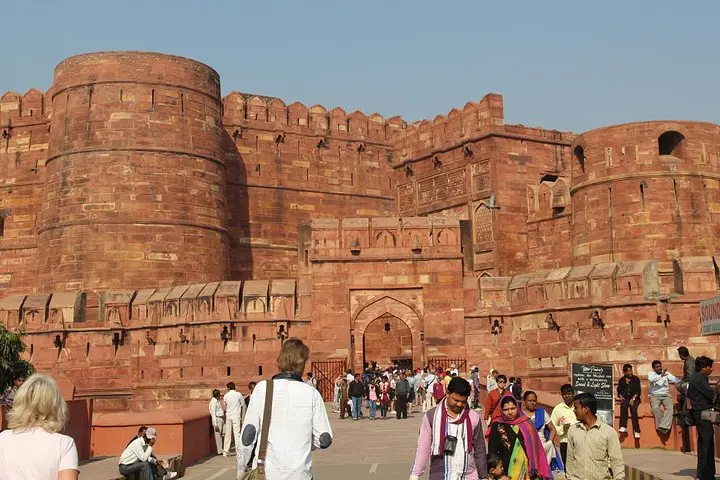
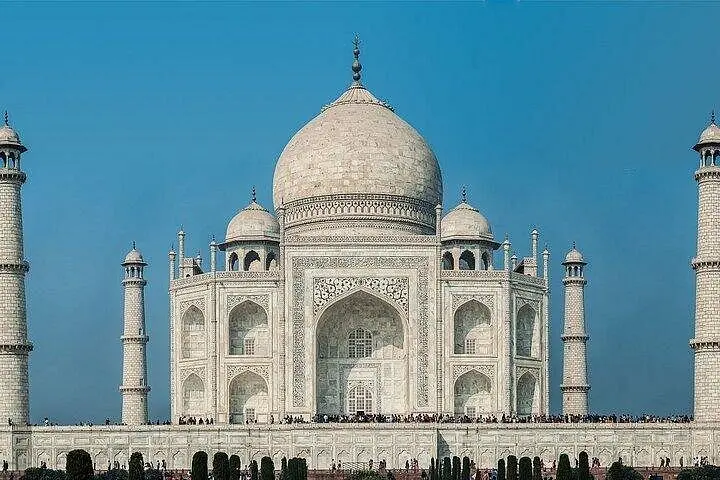
The Taj Mahal and Agra Fort are products of Mughal ambition and craft. Built in the 17th century under Shah Jahan, the mausoleum uses Makrana marble and pietra dura inlay to produce surfaces that change with sun and shadow. Agra Fort, an earlier Mughal stronghold, reveals the courtly life of Akbar and his successors with halls, mirror chambers and octagonal towers overlooking the river.
Culturally, Agra remains a working city: marble workshops, petha sweet stalls and narrow bazaars sit a short walk from UNESCO sites. Geologically, the floodplain of the Yamuna has influenced building orientation and the long-term conservation challenges for marble.
Practical side: this is a long day — expect 16–18 hours door-to-door. The Taj is closed on Fridays and security screening is strict; large bags, tripods and food are restricted. Carry valid ID or passport (required for bookings), comfortable shoes for uneven stone floors, and a light layer for early-morning or evening chills. Plan flights to allow buffer time for airport transfers in Pune and Delhi; traffic between Delhi and Agra can be unpredictable.
Timing your visit for low light—early morning after arrival or late afternoon—offers cooler temperatures and softer views. Hydrate, keep personal documents on you, and allow time to absorb both the craftsmanship and the crowds without rushing.
No; entrance fees are not included in this tour—tickets and any guided-entry fees are typically arranged on-site unless specified otherwise.
The Taj is closed to general visitors on Fridays for congregational prayers; plan your day accordingly to avoid disappointment.
Yes—this product includes round-trip airfare from Pune to Delhi as stated in the inclusions, with airport transfers noted in the itinerary.
Children under 15 must be accompanied by an adult; infant seating and pricing rules are handled per booking details.
SITA World Tours operates guided outdoor trips and adventures with an emphasis on safety, stewardship, and memorable experiences.
A pale pre-dawn in Pune, a quick airport shuffle and then the hum of a short flight — by midday the Taj Mahal appears across the river like an argument in marble and light. You step onto polished plinths, the air carrying the distant call of street vendors and the steady whisper of the Yamuna watching the monument’s reflection.
A pale pre-dawn in Pune, a quick airport shuffle and then the hum of a short flight — by midday the Taj Mahal appears across the river like an argument in marble and light. You step onto polished plinths, the air carrying the distant call of street vendors and the steady whisper of the Yamuna watching the monument’s reflection.
The Taj Mahal and Agra Fort are products of Mughal ambition and craft. Built in the 17th century under Shah Jahan, the mausoleum uses Makrana marble and pietra dura inlay to produce surfaces that change with sun and shadow. Agra Fort, an earlier Mughal stronghold, reveals the courtly life of Akbar and his successors with halls, mirror chambers and octagonal towers overlooking the river.
Culturally, Agra remains a working city: marble workshops, petha sweet stalls and narrow bazaars sit a short walk from UNESCO sites. Geologically, the floodplain of the Yamuna has influenced building orientation and the long-term conservation challenges for marble.
Practical side: this is a long day — expect 16–18 hours door-to-door. The Taj is closed on Fridays and security screening is strict; large bags, tripods and food are restricted. Carry valid ID or passport (required for bookings), comfortable shoes for uneven stone floors, and a light layer for early-morning or evening chills. Plan flights to allow buffer time for airport transfers in Pune and Delhi; traffic between Delhi and Agra can be unpredictable.
Timing your visit for low light—early morning after arrival or late afternoon—offers cooler temperatures and softer views. Hydrate, keep personal documents on you, and allow time to absorb both the craftsmanship and the crowds without rushing.