THE ADVENTURE COLLECTIVE® · Independent discovery and booking for outdoor travel

Walk Pune’s Old City with a local Punekar and move beyond guidebook highlights into market lanes, Peshwa history and hidden courtyards. This intimate 2.5‑hour route pairs architecture and street life with practical tips for a smooth exploration.
Walk Pune’s Old City with a local Punekar and move beyond guidebook highlights into market lanes, Peshwa history and hidden courtyards. This intimate 2.5‑hour route pairs architecture and street life with practical tips for a smooth exploration.
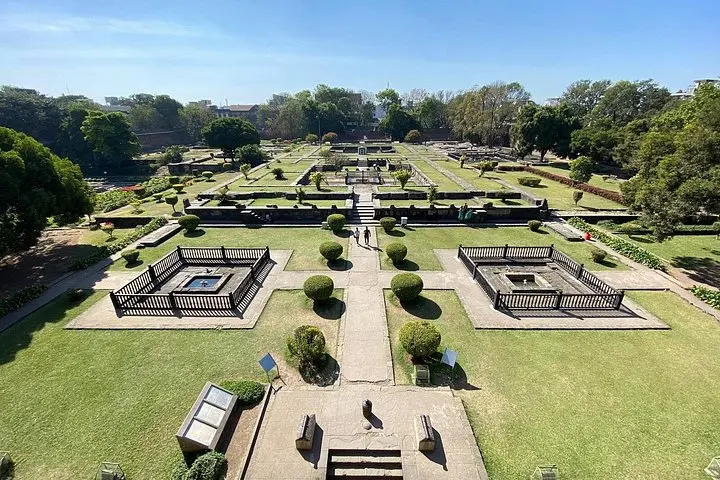
You step off a rickshaw into a pocket of heat and history: narrow lanes thread between low-rise colonial façades, a vendor rings out the clink of chai cups, and the distant gates of Shaniwar Wada exert a quiet gravity. The guide — a Punekar — points out a faded plaque, then steers you toward an alley where pottery, flowers and saffron-stained sweets claim the curb.
Verified experiences and guided adventures in the surrounding area.
Operated by CityZest · Pune, Maharashtra
You step off a rickshaw into a pocket of heat and history: narrow lanes thread between low-rise colonial façades, a vendor rings out the clink of chai cups, and the distant gates of Shaniwar Wada exert a quiet gravity. The guide — a Punekar — points out a faded plaque, then steers you toward an alley where pottery, flowers and saffron-stained sweets claim the curb.
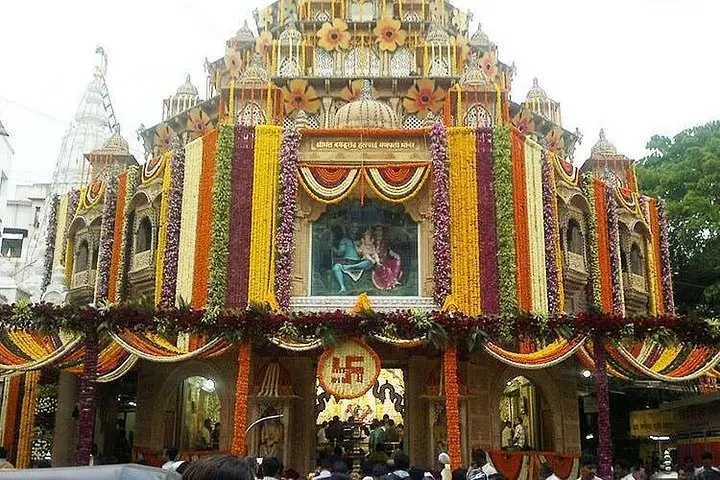
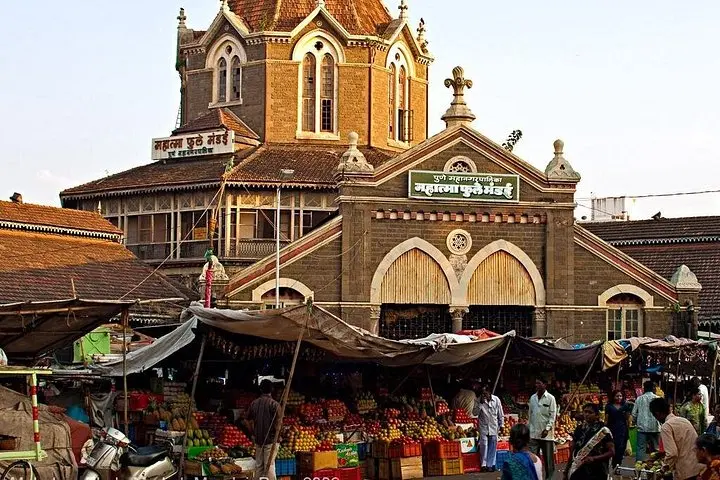
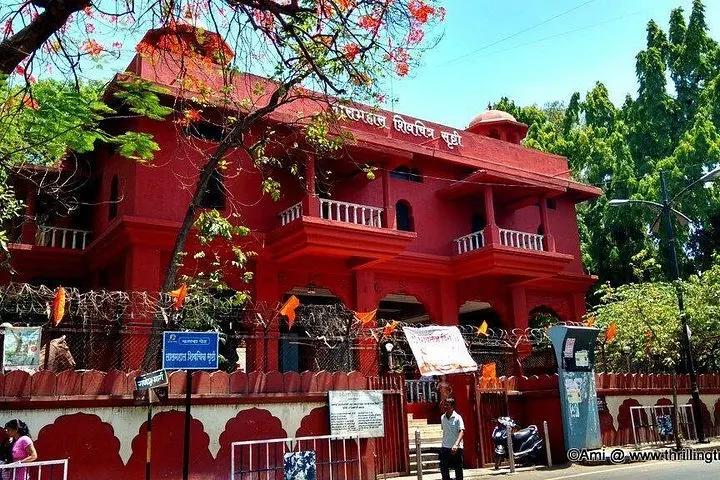
Pune sits on the Deccan plateau, its urban fabric laid over basalt flows from the Deccan Traps; you’ll notice sturdy stonework in old wadas and the clipped profile of the city’s hillocks. The route threads sites tied to the Peshwa era and Shivaji’s legacy, passes a 126‑year Ganesha idol, and winds through Pune’s oldest fruit and vegetable market where Victorian-era shopfronts lean over produce stalls. Culture here is tactile: temple bells, Marathi street banter, and shopkeepers who’ve worked the same doorway for generations.
Practically, expect 2–3 hours of mostly flat, paved walking with short stair sections and cobbled patches. Wear supportive shoes, carry water, and time the walk for morning or late afternoon to avoid the midday market crush. Photography is welcome but be discreet inside temples and private courtyards. The tour covers roughly 2–4 km depending on detours, and guides often tailor stops to your interests — food, architecture, or local anecdotes. Small-group pacing means you’ll see hidden corners a map won’t reveal, but remember to keep noise low and leave no trace in this living, working neighborhood.
Meeting points are typically in central Pune near Shaniwar Wada or a nearby landmark; confirm exact pickup on booking.
Yes—it's rated easy with frequent stops, but those with mobility issues should note short stair sections and uneven cobbles.
Guides commonly speak English and Marathi; confirm language preference when booking for other languages.
The tour includes a local guide; admissions to paid sites, personal purchases and food are typically extra unless stated otherwise.
CityZest operates guided outdoor trips and adventures with an emphasis on safety, stewardship, and memorable experiences.
You step off a rickshaw into a pocket of heat and history: narrow lanes thread between low-rise colonial façades, a vendor rings out the clink of chai cups, and the distant gates of Shaniwar Wada exert a quiet gravity. The guide — a Punekar — points out a faded plaque, then steers you toward an alley where pottery, flowers and saffron-stained sweets claim the curb.
You step off a rickshaw into a pocket of heat and history: narrow lanes thread between low-rise colonial façades, a vendor rings out the clink of chai cups, and the distant gates of Shaniwar Wada exert a quiet gravity. The guide — a Punekar — points out a faded plaque, then steers you toward an alley where pottery, flowers and saffron-stained sweets claim the curb.
Pune sits on the Deccan plateau, its urban fabric laid over basalt flows from the Deccan Traps; you’ll notice sturdy stonework in old wadas and the clipped profile of the city’s hillocks. The route threads sites tied to the Peshwa era and Shivaji’s legacy, passes a 126‑year Ganesha idol, and winds through Pune’s oldest fruit and vegetable market where Victorian-era shopfronts lean over produce stalls. Culture here is tactile: temple bells, Marathi street banter, and shopkeepers who’ve worked the same doorway for generations.
Practically, expect 2–3 hours of mostly flat, paved walking with short stair sections and cobbled patches. Wear supportive shoes, carry water, and time the walk for morning or late afternoon to avoid the midday market crush. Photography is welcome but be discreet inside temples and private courtyards. The tour covers roughly 2–4 km depending on detours, and guides often tailor stops to your interests — food, architecture, or local anecdotes. Small-group pacing means you’ll see hidden corners a map won’t reveal, but remember to keep noise low and leave no trace in this living, working neighborhood.