
Puno Nighttime Street Food Experience: Taste Local Flavors Around Parque Pino
Walk Puno’s Parque Pino at night to taste local favorites from api and mazamorra morada to anticuchos and picarones. This 90-minute tasting tour focuses on neighborhood vendors and authentic flavors rather than tourist spots.
An Adventure In Puno.
Walk Puno’s Parque Pino at night to taste local favorites from api and mazamorra morada to anticuchos and picarones. This 90-minute tasting tour focuses on neighborhood vendors and authentic flavors rather than tourist spots.
Read the full experience
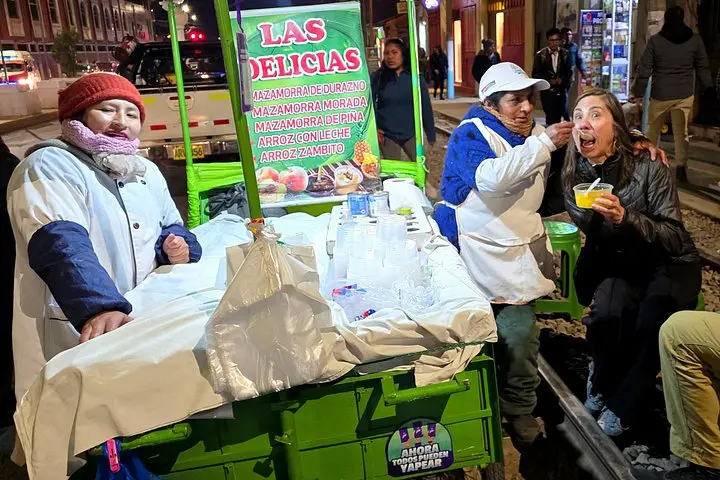
The square lights of Parque Pino glow against a cold, thin sky as vendors flip skewers and steam rises from clay bowls. Night in Puno feels immediate: the air—thinner at 3,800 meters—carries smoke, cinnamon, and the sweet steam of api, drawing you through a corridor of tastes the city’s residents favor.
The square lights of Parque Pino glow against a cold, thin sky as vendors flip skewers and steam rises from clay bowls. Night in Puno feels immediate: the air—thinner at 3,800 meters—carries smoke, cinnamon, and the sweet steam of api, drawing you through a corridor of tastes the city’s residents favor.
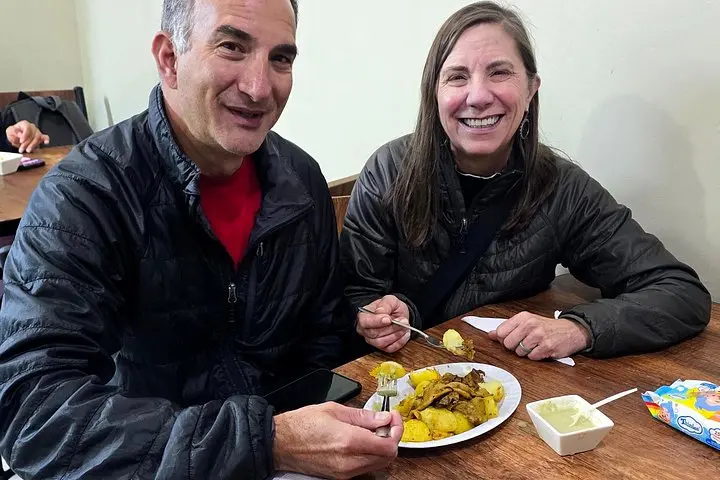
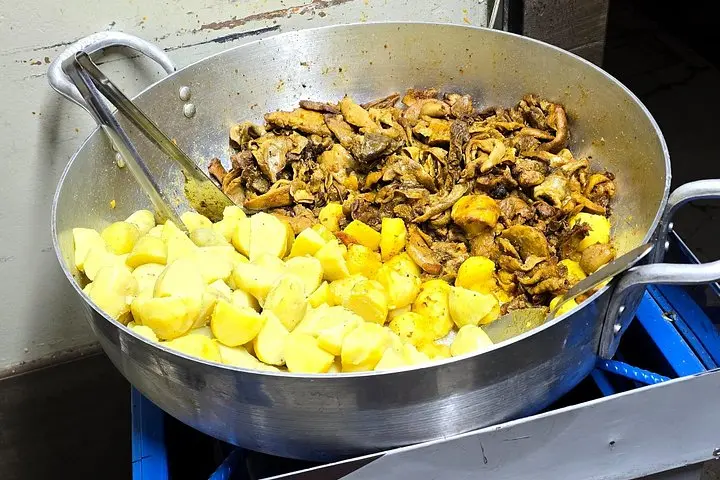
Puno sits on the shores of Lake Titicaca, where Aymara and Quechua traditions shape the plates as much as the landscape does. Purple corn, quinoa and chancaca (cane syrup) are regional staples; mazamorra morada and alfajores trace culinary threads back to indigenous crops and colonial-era sweeteners. Street specialties like anticuchos and chunchulí speak to Peru’s nighttime grill culture—simple, charcoal-driven and rooted in neighborhood custom rather than tourist menus.
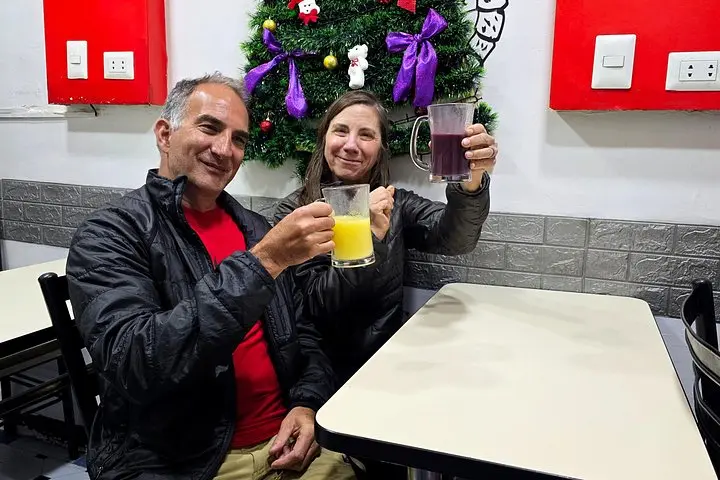
Expect a compact, 90-minute walking tasting that starts at Parque Pino and moves to nearby stalls and market pockets. The food sequence moves from warm agüitas and api to fried and grilled bites and finishes with picarones and emoliente to warm you through the evening chill.
Practicalities: dress in warm layers and bring cash in small bills; portions are tasting-sized but rich. If you aren’t acclimatized, take it slow—altitude magnifies alcohol and heavy meals. Communicate allergies clearly: many street dishes use shared grills and lard. The tour’s tempo is local—crowded sidewalks, quick exchanges and short walks between vendors—making it an accessible, sensory way to sample Puno’s nocturnal food life without the usual tourist gloss.
Frequently asked questions
Yes, but you must tell the operator at booking and inform the guide on arrival—many items are prepared on shared equipment so cross-contact is possible.
Even in the dry season nights can drop near freezing; layered clothing and a warm outer shell are recommended.
The meeting point is Parque Pino in central Puno—close to the main square and easy to reach on foot or by a short taxi ride.
This specific tour notes it’s not recommended for pregnant travelers, due to street food preparation and altitude considerations.
About This Experience
Inca Lake operates guided outdoor trips and adventures with an emphasis on safety, stewardship, and memorable experiences.
Adventure tips
Recommended gear
- Warm jacket: Thin, insulating outer layer stops evening chill at high altitude.
- Closed-toe shoes: Comfortable shoes for uneven sidewalks and quick walks between vendors.
- Cash (small bills): Needed for most street vendors who do not accept cards.
- Reusable water bottle: Staying hydrated helps manage altitude and balances salty, fried foods.
Photos of the experience
Related adventures & guides
Read the full experience
The square lights of Parque Pino glow against a cold, thin sky as vendors flip skewers and steam rises from clay bowls. Night in Puno feels immediate: the air—thinner at 3,800 meters—carries smoke, cinnamon, and the sweet steam of api, drawing you through a corridor of tastes the city’s residents favor.
The square lights of Parque Pino glow against a cold, thin sky as vendors flip skewers and steam rises from clay bowls. Night in Puno feels immediate: the air—thinner at 3,800 meters—carries smoke, cinnamon, and the sweet steam of api, drawing you through a corridor of tastes the city’s residents favor.
Puno sits on the shores of Lake Titicaca, where Aymara and Quechua traditions shape the plates as much as the landscape does. Purple corn, quinoa and chancaca (cane syrup) are regional staples; mazamorra morada and alfajores trace culinary threads back to indigenous crops and colonial-era sweeteners. Street specialties like anticuchos and chunchulí speak to Peru’s nighttime grill culture—simple, charcoal-driven and rooted in neighborhood custom rather than tourist menus.
Expect a compact, 90-minute walking tasting that starts at Parque Pino and moves to nearby stalls and market pockets. The food sequence moves from warm agüitas and api to fried and grilled bites and finishes with picarones and emoliente to warm you through the evening chill.
Practicalities: dress in warm layers and bring cash in small bills; portions are tasting-sized but rich. If you aren’t acclimatized, take it slow—altitude magnifies alcohol and heavy meals. Communicate allergies clearly: many street dishes use shared grills and lard. The tour’s tempo is local—crowded sidewalks, quick exchanges and short walks between vendors—making it an accessible, sensory way to sample Puno’s nocturnal food life without the usual tourist gloss.
Make a day of it nearby.
Verified experiences and guided adventures in the surrounding area.