THE ADVENTURE COLLECTIVE® · Independent discovery and booking for outdoor travel

A compact, scenic two-day sweep from Puno to Colca Canyon that pairs village culture, thermal baths and the Cruz del Cóndor viewpoint. Ideal for travelers wanting a concentrated encounter with one of the Andes’ deepest gorges.
A compact, scenic two-day sweep from Puno to Colca Canyon that pairs village culture, thermal baths and the Cruz del Cóndor viewpoint. Ideal for travelers wanting a concentrated encounter with one of the Andes’ deepest gorges.
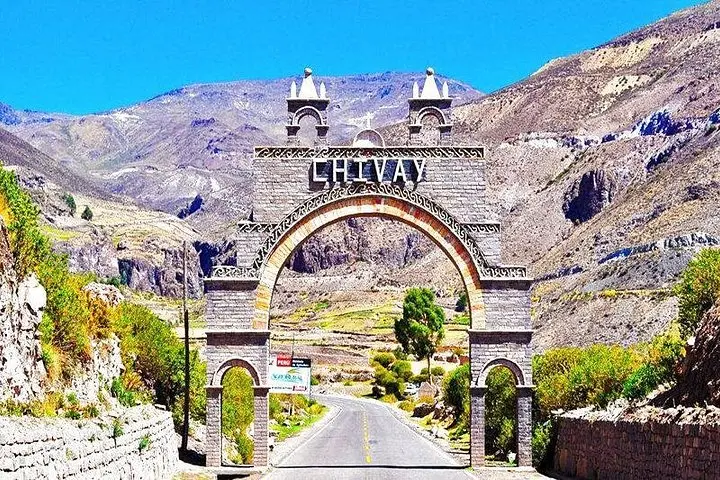
Dawn breaks over the Altiplano and the bus carries you west from Puno, the high plain folding into ridges and cultivated terraces as the air sharpens. By midday the volcanoes—Misti, Ampato and others—loom like slow-moving weather; the road drops toward Chivay and the rim of Colca, where cliffs fall away and the wind learns to lift.
Verified experiences and guided adventures in the surrounding area.
Operated by Illapha Travel Peru · Chivay, Arequipa
Dawn breaks over the Altiplano and the bus carries you west from Puno, the high plain folding into ridges and cultivated terraces as the air sharpens. By midday the volcanoes—Misti, Ampato and others—loom like slow-moving weather; the road drops toward Chivay and the rim of Colca, where cliffs fall away and the wind learns to lift.
Colca’s story is carved in stone and labor: millennia of Andean agriculture produced the region's stepped terraces, and Spanish-era records noted the gorge’s staggering depth. Geologically, the canyon is the product of uplift and river incision into volcanic and sedimentary layers, creating a carved landscape of switchbacks and viewpoints. Cultural life remains visible in villages such as Yanque and Maca, where traditional dress, Quechua language and irrigated terraces continue an agrarian rhythm.
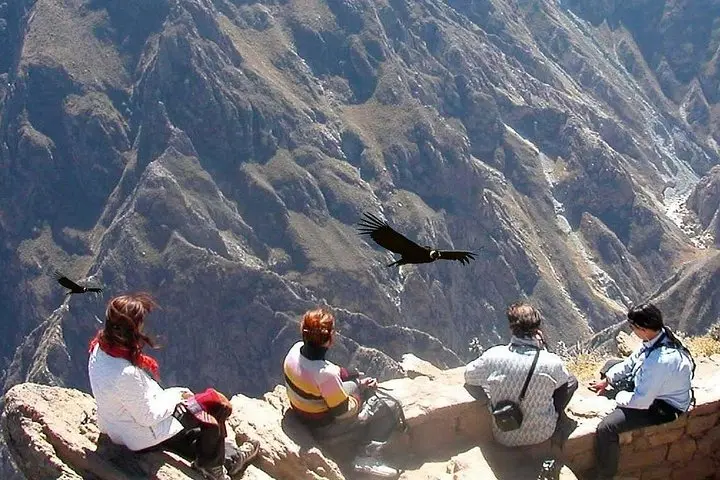
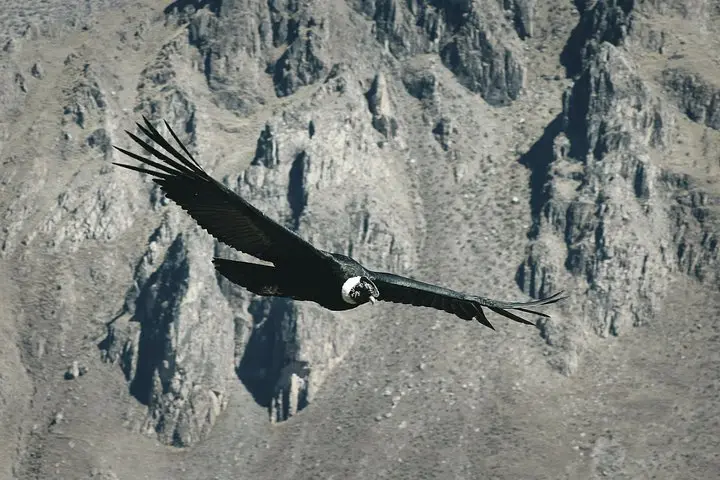
The Colca River dares you to look down; the condors use these same thermal drafts as wings, gliding from cliffs at Cruz del Cóndor. On a two-day tour you’ll mix travel time with brief hikes, a soak in Calera hot springs, and lookout stops timed for condor displays.
Practical notes: altitude reaches ~3,500–4,500 m—move slowly, hydrate, and avoid heavy exertion your first day. Mornings and evenings are cold and afternoons sunny; layered clothing and sun protection are essential. Footing at viewpoints and village paths is uneven—sturdy shoes recommended. Expect early pickups and long but scenic driving stretches; the reward is a dramatic canyon, close encounters with Andean culture, and the unforgettable silhouette of a condor riding the thermals.
Pickup is typically around 6:00 AM in Puno; the operator collects passengers from central hotels or an agreed pickup point.
Condors are frequent at Cruz del Cóndor, especially in the morning when thermals form, but sightings cannot be guaranteed—visibility depends on weather and season.
Yes—this itinerary is classified as easy with mostly vehicle travel and short walks, but consider altitude and pace for young children or those with mobility issues.
Yes—bring local currency for optional lunches, entrance fees at viewpoint parking, souvenirs and tips; card acceptance in villages is limited.
Illapha Travel Peru operates guided outdoor trips and adventures with an emphasis on safety, stewardship, and memorable experiences.
Dawn breaks over the Altiplano and the bus carries you west from Puno, the high plain folding into ridges and cultivated terraces as the air sharpens. By midday the volcanoes—Misti, Ampato and others—loom like slow-moving weather; the road drops toward Chivay and the rim of Colca, where cliffs fall away and the wind learns to lift.
Dawn breaks over the Altiplano and the bus carries you west from Puno, the high plain folding into ridges and cultivated terraces as the air sharpens. By midday the volcanoes—Misti, Ampato and others—loom like slow-moving weather; the road drops toward Chivay and the rim of Colca, where cliffs fall away and the wind learns to lift.
Colca’s story is carved in stone and labor: millennia of Andean agriculture produced the region's stepped terraces, and Spanish-era records noted the gorge’s staggering depth. Geologically, the canyon is the product of uplift and river incision into volcanic and sedimentary layers, creating a carved landscape of switchbacks and viewpoints. Cultural life remains visible in villages such as Yanque and Maca, where traditional dress, Quechua language and irrigated terraces continue an agrarian rhythm.
The Colca River dares you to look down; the condors use these same thermal drafts as wings, gliding from cliffs at Cruz del Cóndor. On a two-day tour you’ll mix travel time with brief hikes, a soak in Calera hot springs, and lookout stops timed for condor displays.
Practical notes: altitude reaches ~3,500–4,500 m—move slowly, hydrate, and avoid heavy exertion your first day. Mornings and evenings are cold and afternoons sunny; layered clothing and sun protection are essential. Footing at viewpoints and village paths is uneven—sturdy shoes recommended. Expect early pickups and long but scenic driving stretches; the reward is a dramatic canyon, close encounters with Andean culture, and the unforgettable silhouette of a condor riding the thermals.