THE ADVENTURE COLLECTIVE® · Independent discovery and booking for outdoor travel

Browse larimar jewelry, taste Dominican coffee and Mamajuana, and learn how local crafts are made on a relaxed three-hour shopping tour in Punta Cana. Hotel pickup, guided tastings, and practical tips make this an easy cultural outing.
Browse larimar jewelry, taste Dominican coffee and Mamajuana, and learn how local crafts are made on a relaxed three-hour shopping tour in Punta Cana. Hotel pickup, guided tastings, and practical tips make this an easy cultural outing.
You step out of the van into a plaza warmed by a Caribbean breeze that seems to dare your wallet and your curiosity. Stalls fan out beneath metal awnings and palms, while a guide—part historian, part negotiator—leads the group toward tables of larimar jewelry, hand-stitched hats and trays of chocolate samples. The air carries cigar smoke, coffee steam and the woody sweetness of Mamajuana, each scent a local story.
Verified experiences and guided adventures in the surrounding area.
Operated by Go Travel Tours Punta Cana · Punta Cana, La Altagracia
You step out of the van into a plaza warmed by a Caribbean breeze that seems to dare your wallet and your curiosity. Stalls fan out beneath metal awnings and palms, while a guide—part historian, part negotiator—leads the group toward tables of larimar jewelry, hand-stitched hats and trays of chocolate samples. The air carries cigar smoke, coffee steam and the woody sweetness of Mamajuana, each scent a local story.
The Dominican Republic's eastern coast surged into global tourism in the late 20th century, but the crafts you see have deeper roots: larimar is a rare blue pectolite found only here, and Mamajuana blends Taíno herbal traditions with colonial rum and wine. Markets and plazas have grown around these traditions, mixing local artisans with vendors serving visitors from resort corridors.
Expect a three-hour outing with hotel pickup and door-to-door return. The format balances walking and tasting—brief stops at curated shops where guides explain materials, production and pricing. Bargaining is common but polite; many sellers accept cards at higher prices, while cash (small bills) gets better deals. Plan for heat and sun: shaded benches are limited, and the pace is casual but continuous.
Practical tips: bring cash, a reusable bag for fragile items, and modest expectations about returns or warranties. Ask the guide where items were made, and sample before you buy—coffee and chocolate reveal quality quickly. The tour is low-strain physically but rich in cultural texture, a compact way to leave Punta Cana with handcrafted keepsakes and a clearer sense of local craft economies.
Yes—this tour includes convenient hotel pickup and drop-off within the Punta Cana resort area.
Some vendors accept cards but often at higher prices; bring cash for better bargains and smaller purchases.
Yes—guided tastings typically include Dominican cigars, coffee, chocolate, and a sample of Mamajuana.
The tour is family-friendly; infants must sit on laps and the pace is low-strain, but tastings are intended for adults.
Go Travel Tours Punta Cana operates guided outdoor trips and adventures with an emphasis on safety, stewardship, and memorable experiences.
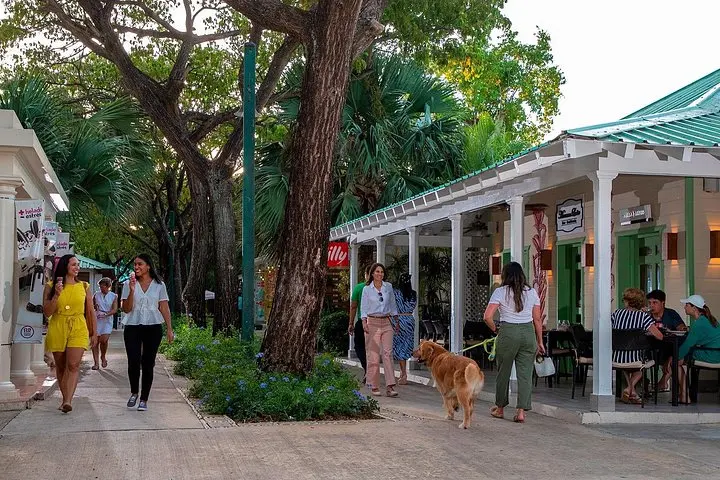
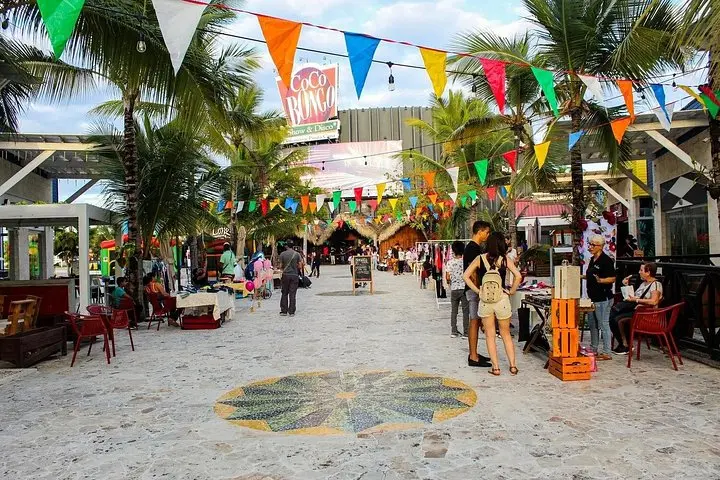
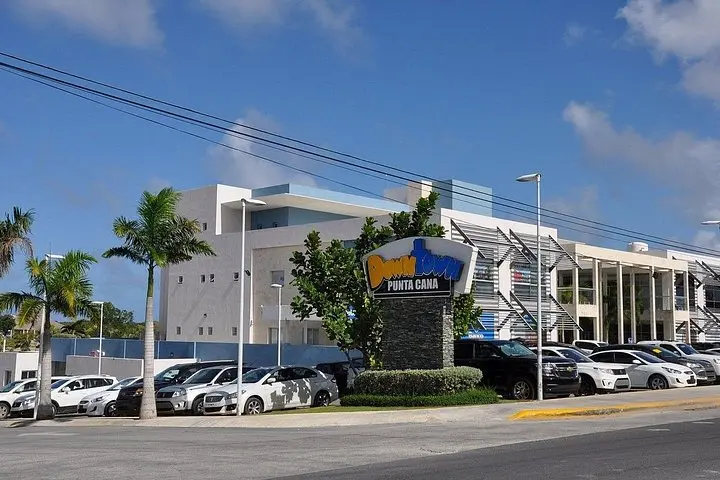
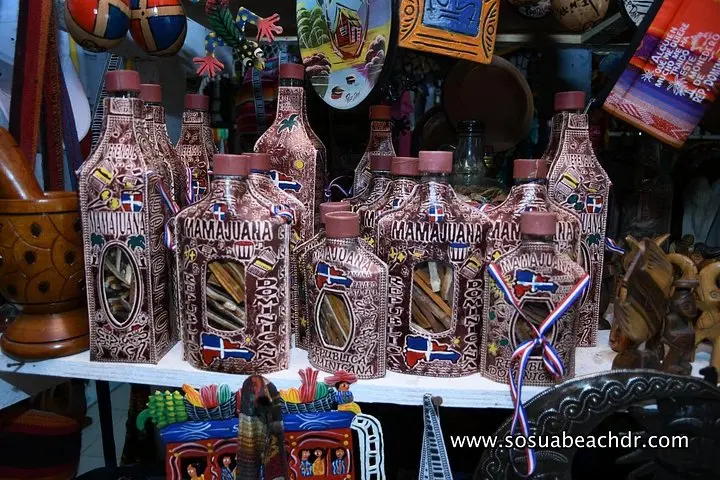
You step out of the van into a plaza warmed by a Caribbean breeze that seems to dare your wallet and your curiosity. Stalls fan out beneath metal awnings and palms, while a guide—part historian, part negotiator—leads the group toward tables of larimar jewelry, hand-stitched hats and trays of chocolate samples. The air carries cigar smoke, coffee steam and the woody sweetness of Mamajuana, each scent a local story.
You step out of the van into a plaza warmed by a Caribbean breeze that seems to dare your wallet and your curiosity. Stalls fan out beneath metal awnings and palms, while a guide—part historian, part negotiator—leads the group toward tables of larimar jewelry, hand-stitched hats and trays of chocolate samples. The air carries cigar smoke, coffee steam and the woody sweetness of Mamajuana, each scent a local story.
The Dominican Republic's eastern coast surged into global tourism in the late 20th century, but the crafts you see have deeper roots: larimar is a rare blue pectolite found only here, and Mamajuana blends Taíno herbal traditions with colonial rum and wine. Markets and plazas have grown around these traditions, mixing local artisans with vendors serving visitors from resort corridors.
Expect a three-hour outing with hotel pickup and door-to-door return. The format balances walking and tasting—brief stops at curated shops where guides explain materials, production and pricing. Bargaining is common but polite; many sellers accept cards at higher prices, while cash (small bills) gets better deals. Plan for heat and sun: shaded benches are limited, and the pace is casual but continuous.
Practical tips: bring cash, a reusable bag for fragile items, and modest expectations about returns or warranties. Ask the guide where items were made, and sample before you buy—coffee and chocolate reveal quality quickly. The tour is low-strain physically but rich in cultural texture, a compact way to leave Punta Cana with handcrafted keepsakes and a clearer sense of local craft economies.