THE ADVENTURE COLLECTIVE® · Independent discovery and booking for outdoor travel

In one long day from Punta Cana you can boat through Los Haitises’ mangrove cathedrals, hike to the thunder of El Limón waterfall, and unwind on Cayo Levantado’s white sand. This active coastal loop pairs wildlife, Taino history, and a beach finale.
In one long day from Punta Cana you can boat through Los Haitises’ mangrove cathedrals, hike to the thunder of El Limón waterfall, and unwind on Cayo Levantado’s white sand. This active coastal loop pairs wildlife, Taino history, and a beach finale.
You step into a morning bus in Punta Cana and the coast unfurls like a map come to life: citrus plantations give way to the rolling green of the Samaná Peninsula, and the Atlantic on your right flashes a constant, knowing blue. By midmorning you’re in a small skiff cutting through mangrove channels into Los Haitises National Park, where limestone islets rise like the ribs of a submerged mountain and caves hold Taino petroglyphs that have watched centuries of tide and weather.
Verified experiences and guided adventures in the surrounding area.
Operated by Travel Service Punta Cana · Punta Cana, La Altagracia Province
You step into a morning bus in Punta Cana and the coast unfurls like a map come to life: citrus plantations give way to the rolling green of the Samaná Peninsula, and the Atlantic on your right flashes a constant, knowing blue. By midmorning you’re in a small skiff cutting through mangrove channels into Los Haitises National Park, where limestone islets rise like the ribs of a submerged mountain and caves hold Taino petroglyphs that have watched centuries of tide and weather.
Los Haitises is geology in motion — karst limestone, carved by rain and sea into steep, pocked islands and hidden grottos. Your guide points out nesting frigatebirds and mangrove roots that anchor whole ecosystems. The boat ride is equal parts wildlife safari and geography lesson: mangrove tunnels dare you to peer closer while the captain navigates between fingerlike keys.
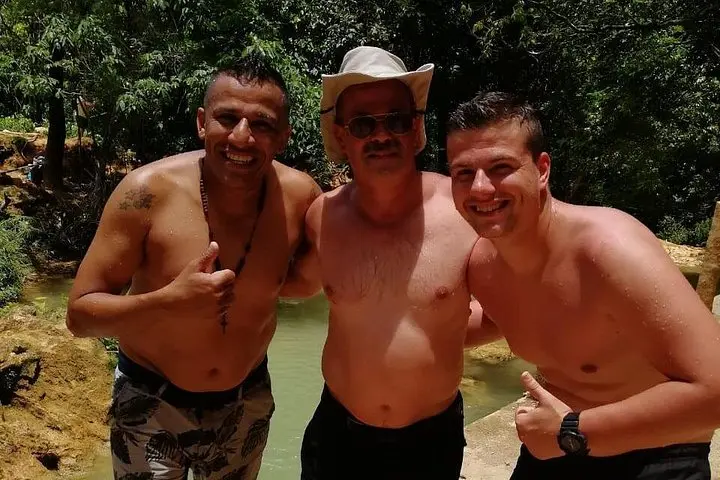
Next, the tour drops you inland for El Limón Waterfall, a 50–75m cascade that thunders into a jade pool. The route to the falls is a short but spirited hike or optional horseback ride through banana and mahogany groves — expect 30–45 minutes each way with a moderate elevation gain (roughly 100–150 feet). The pool is cold, the spray a fresh shock: currents nudge you toward the base where the rock face hums with falling water.
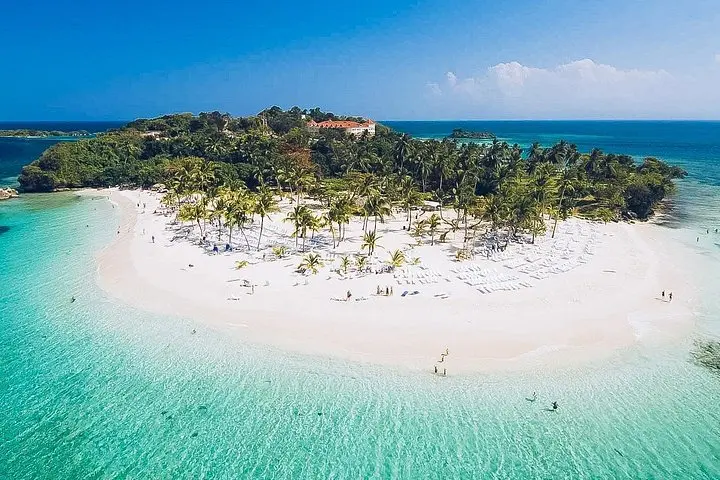
Late afternoon, the trip rounds out on Cayo Levantado (often called Bacardi Island), a postcard arc of powder sand and gentle surf. It’s a place to rinse salt from your hair, snorkel shallow reefs, or simply watch the light slide off the bay.
Culturally the region is marked by Taino heritage and a blend of African and Spanish colonial histories — you’ll hear stories from guides who grew up along these coasts. Practically: the day runs 8–9 hours, covers boat passages, a light hike (or horseback option), and beach time. Bring reef‑safe sunscreen, a dry bag for electronics, sturdy water shoes for mangrove and rocky shore approaches, and a small towel for the waterfall plunge.
Timing matters: morning departures give calmer seas and cleaner light for photography; whale watching spikes from January through March. If you have neck or back issues, pregnancy, or serious heart conditions, this tour is not recommended due to transfers, boat motion, and the waterfall steps.
Ultimately the appeal is immediate — a compact day that stitches three very different Dominican landscapes into one fluid experience: karst islands daring you to look closer, a waterfall that demands you step under it, and a beach that lets you linger before the slow bus ride back to Punta Cana.
Pickup is usually provided from hotels in Punta Cana; confirm your exact pickup time in advance and be at the lobby 10–15 minutes early.
The hike is moderate — roughly 30–45 minutes each way on uneven forest trails with a short stair descent to the pool; horseback options are typically available for parts of the route.
Yes — swimming is allowed at both locations; currents at the waterfall can be strong near the base, so use caution and follow your guide’s instructions.
Breakfast and lunch are included as stated in the tour inclusions; bottled water or non‑alcoholic drinks are often provided but bringing a refillable bottle is wise.
Children with moderate mobility can join, but the tour is not recommended for travelers with spinal injuries, significant mobility limitations, pregnancy, or serious heart conditions.
Whale-watching in Samaná peaks from January through March; otherwise, early mornings generally provide calmer seas and better wildlife viewing year-round.
Travel Service Punta Cana operates guided outdoor trips and adventures with an emphasis on safety, stewardship, and memorable experiences.
You step into a morning bus in Punta Cana and the coast unfurls like a map come to life: citrus plantations give way to the rolling green of the Samaná Peninsula, and the Atlantic on your right flashes a constant, knowing blue. By midmorning you’re in a small skiff cutting through mangrove channels into Los Haitises National Park, where limestone islets rise like the ribs of a submerged mountain and caves hold Taino petroglyphs that have watched centuries of tide and weather.
You step into a morning bus in Punta Cana and the coast unfurls like a map come to life: citrus plantations give way to the rolling green of the Samaná Peninsula, and the Atlantic on your right flashes a constant, knowing blue. By midmorning you’re in a small skiff cutting through mangrove channels into Los Haitises National Park, where limestone islets rise like the ribs of a submerged mountain and caves hold Taino petroglyphs that have watched centuries of tide and weather.
Los Haitises is geology in motion — karst limestone, carved by rain and sea into steep, pocked islands and hidden grottos. Your guide points out nesting frigatebirds and mangrove roots that anchor whole ecosystems. The boat ride is equal parts wildlife safari and geography lesson: mangrove tunnels dare you to peer closer while the captain navigates between fingerlike keys.
Next, the tour drops you inland for El Limón Waterfall, a 50–75m cascade that thunders into a jade pool. The route to the falls is a short but spirited hike or optional horseback ride through banana and mahogany groves — expect 30–45 minutes each way with a moderate elevation gain (roughly 100–150 feet). The pool is cold, the spray a fresh shock: currents nudge you toward the base where the rock face hums with falling water.
Late afternoon, the trip rounds out on Cayo Levantado (often called Bacardi Island), a postcard arc of powder sand and gentle surf. It’s a place to rinse salt from your hair, snorkel shallow reefs, or simply watch the light slide off the bay.
Culturally the region is marked by Taino heritage and a blend of African and Spanish colonial histories — you’ll hear stories from guides who grew up along these coasts. Practically: the day runs 8–9 hours, covers boat passages, a light hike (or horseback option), and beach time. Bring reef‑safe sunscreen, a dry bag for electronics, sturdy water shoes for mangrove and rocky shore approaches, and a small towel for the waterfall plunge.
Timing matters: morning departures give calmer seas and cleaner light for photography; whale watching spikes from January through March. If you have neck or back issues, pregnancy, or serious heart conditions, this tour is not recommended due to transfers, boat motion, and the waterfall steps.
Ultimately the appeal is immediate — a compact day that stitches three very different Dominican landscapes into one fluid experience: karst islands daring you to look closer, a waterfall that demands you step under it, and a beach that lets you linger before the slow bus ride back to Punta Cana.