THE ADVENTURE COLLECTIVE® · Independent discovery and booking for outdoor travel

A full-day excursion from Puerto Madryn to Punta Tombo puts you face-to-face with one of Argentina’s largest Magellanic penguin colonies. This guide explains what to expect on the drive, the colony visit, and practical tips for a smooth, respectful wildlife encounter.
A full-day excursion from Puerto Madryn to Punta Tombo puts you face-to-face with one of Argentina’s largest Magellanic penguin colonies. This guide explains what to expect on the drive, the colony visit, and practical tips for a smooth, respectful wildlife encounter.
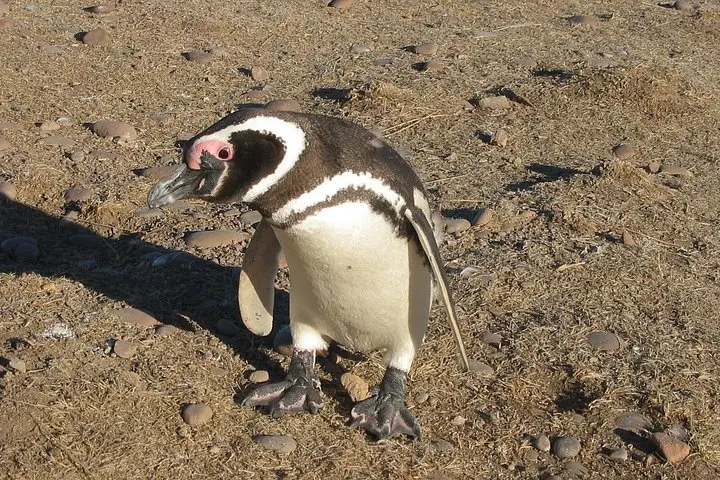
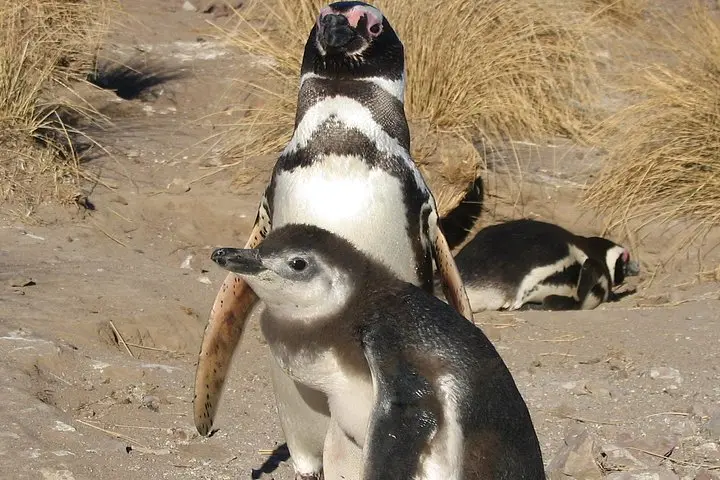
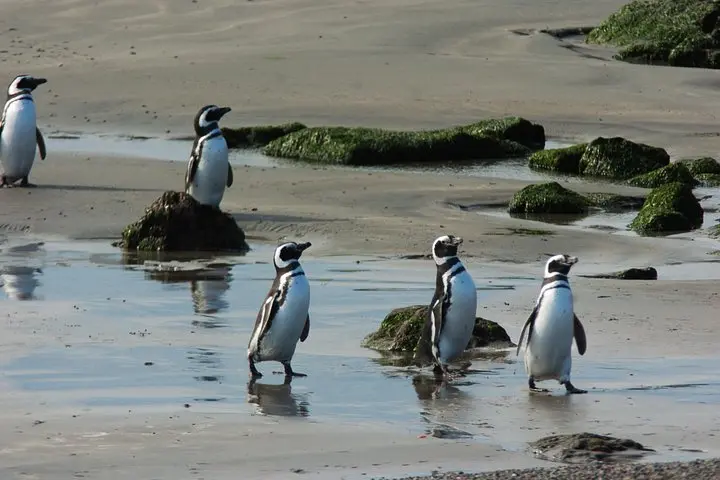
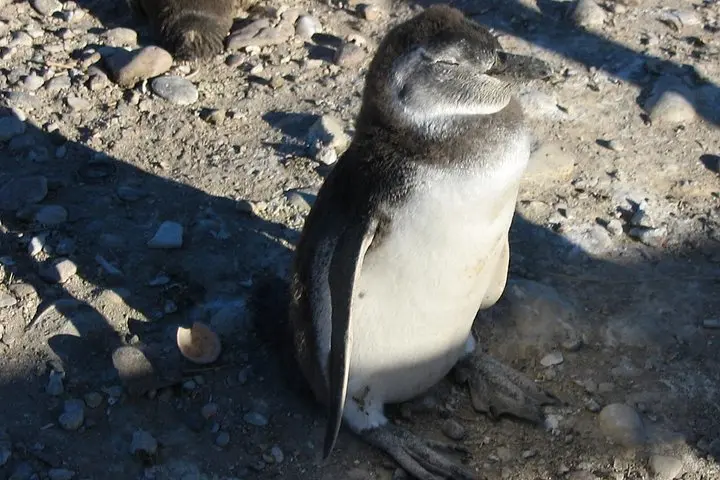
You step out of the minibus onto a wide, wind-flattened scrub that smells faintly of salt and sun-warmed earth. The sea hisses a steady pulse to your right; to the left, a sprawl of low dunes gives way to ochre soil dotted with burrows. Within minutes the colony reveals itself: black-and-white shapes dot the ground, waddling with purpose or clustered in noisy, vulnerable neighborhoods.
Verified experiences and guided adventures in the surrounding area.
Operated by Loika Expediciones · Punta Tombo, Chubut
You step out of the minibus onto a wide, wind-flattened scrub that smells faintly of salt and sun-warmed earth. The sea hisses a steady pulse to your right; to the left, a sprawl of low dunes gives way to ochre soil dotted with burrows. Within minutes the colony reveals itself: black-and-white shapes dot the ground, waddling with purpose or clustered in noisy, vulnerable neighborhoods.
Punta Tombo is one of South America's largest mainland colonies of Magellanic penguins, active here each spring through autumn as birds return from open-ocean feeding to nest and rear chicks. The landscape is part of the Patagonian steppe — a mostly flat, wind-swept plain formed by marine terraces and glacial reworking during the Pleistocene. European settlers and Welsh communities shaped nearby towns; today tourism balances local livelihoods with wildlife protection.
Expect structured access: boardwalks and viewing platforms keep visitors at a respectful distance while offering close encounters with penguins walking between nests. Along the drive you may see guanacos, rheas and foxes cutting across open plains; guides will point out tracks and seasonal behaviors.
Practical guide: tours last roughly six hours round-trip from Puerto Madryn with about two hours on site. Wear sturdy shoes for uneven trail and boardwalks, bring windproof layers, sun protection and at least 1–2 liters of water. Photography is rewarding but avoid stepping off paths or approaching nesting sites. Early autumn and spring offer cooler light and high activity; peak summer brings chicks and more heat. Respect signage and the colony’s rhythms — the experience is at its best when you watch quietly and let the penguins dictate the pace.
The colony is open roughly September through April; spring and early summer (September–December) bring arrivals and nesting, while mid-summer (January–March) shows chicks.
Most tours allocate about two hours on-site for walking the boardwalks and observing the colony; travel time from Puerto Madryn makes the total excursion about six hours.
Yes—boardwalks are stroller-accessible in many sections, but expect uneven areas and a lot of walking; infant seats are typically available on tour vehicles.
No—touching or approaching penguins and nests is prohibited to protect the birds and prevent disturbance; stay on designated paths and follow guide instructions.
Loika Expediciones operates guided outdoor trips and adventures with an emphasis on safety, stewardship, and memorable experiences.
You step out of the minibus onto a wide, wind-flattened scrub that smells faintly of salt and sun-warmed earth. The sea hisses a steady pulse to your right; to the left, a sprawl of low dunes gives way to ochre soil dotted with burrows. Within minutes the colony reveals itself: black-and-white shapes dot the ground, waddling with purpose or clustered in noisy, vulnerable neighborhoods.
You step out of the minibus onto a wide, wind-flattened scrub that smells faintly of salt and sun-warmed earth. The sea hisses a steady pulse to your right; to the left, a sprawl of low dunes gives way to ochre soil dotted with burrows. Within minutes the colony reveals itself: black-and-white shapes dot the ground, waddling with purpose or clustered in noisy, vulnerable neighborhoods.
Punta Tombo is one of South America's largest mainland colonies of Magellanic penguins, active here each spring through autumn as birds return from open-ocean feeding to nest and rear chicks. The landscape is part of the Patagonian steppe — a mostly flat, wind-swept plain formed by marine terraces and glacial reworking during the Pleistocene. European settlers and Welsh communities shaped nearby towns; today tourism balances local livelihoods with wildlife protection.
Expect structured access: boardwalks and viewing platforms keep visitors at a respectful distance while offering close encounters with penguins walking between nests. Along the drive you may see guanacos, rheas and foxes cutting across open plains; guides will point out tracks and seasonal behaviors.
Practical guide: tours last roughly six hours round-trip from Puerto Madryn with about two hours on site. Wear sturdy shoes for uneven trail and boardwalks, bring windproof layers, sun protection and at least 1–2 liters of water. Photography is rewarding but avoid stepping off paths or approaching nesting sites. Early autumn and spring offer cooler light and high activity; peak summer brings chicks and more heat. Respect signage and the colony’s rhythms — the experience is at its best when you watch quietly and let the penguins dictate the pace.