THE ADVENTURE COLLECTIVE® · Independent discovery and booking for outdoor travel

A full-day wildlife loop from Puerto Varas to Puñuhuil takes you by ferry and skiff to the only place on Earth where Magellanic and Humboldt penguins breed together. Expect up-close seabird viewing, coastal culture, and variable weather that demands waterproof layers.
A full-day wildlife loop from Puerto Varas to Puñuhuil takes you by ferry and skiff to the only place on Earth where Magellanic and Humboldt penguins breed together. Expect up-close seabird viewing, coastal culture, and variable weather that demands waterproof layers.
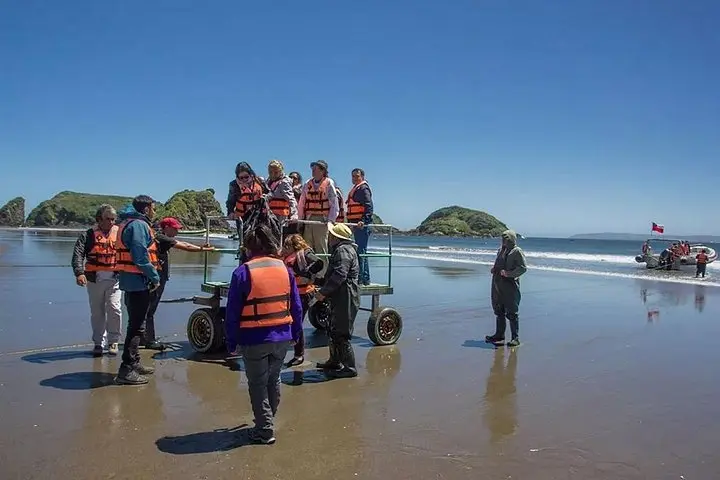
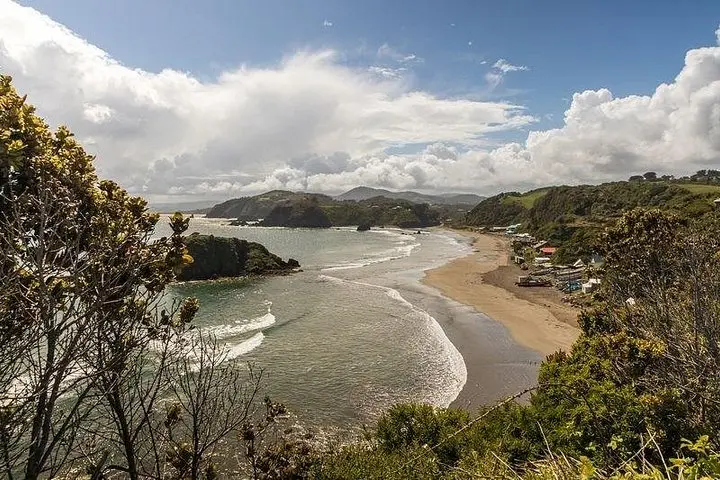
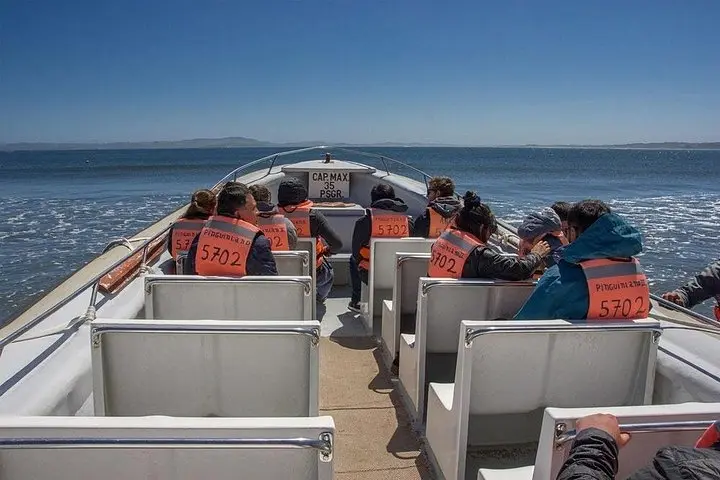
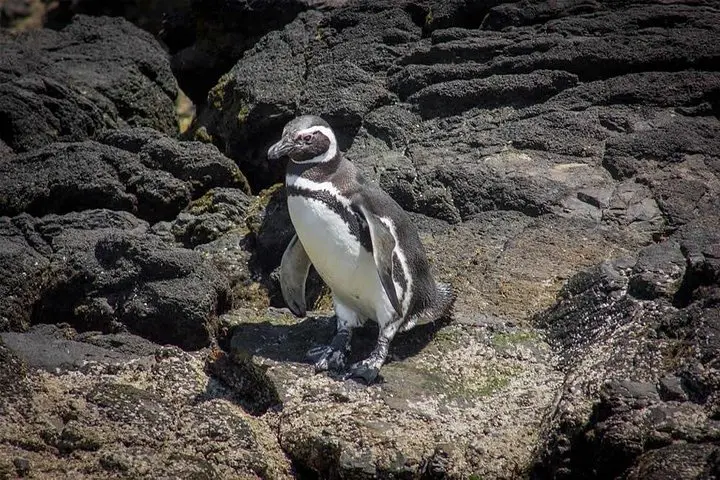
Morning fog peels back from the Chacao Channel as the minibus eases out of Puerto Varas and the ferry lines up for the short crossing. The salt air sharpens; pelicans and cormorants wheel above, sea lions bark from rocky outcrops, and the coast of Chiloé unfurls—weathered wooden houses and steep churches built with alerce timber dotting the shore. At Puñuhuil, a short skiff ride threads through kelp and sea-sculpted rock toward a cluster of low islets where Magellanic and Humboldt penguins share breeding sites for generations—the only place in the world where these two species cohabit.
Verified experiences and guided adventures in the surrounding area.
Operated by Ruta Chile · Puñuhuil (Chiloé Island), Los Lagos Region
Morning fog peels back from the Chacao Channel as the minibus eases out of Puerto Varas and the ferry lines up for the short crossing. The salt air sharpens; pelicans and cormorants wheel above, sea lions bark from rocky outcrops, and the coast of Chiloé unfurls—weathered wooden houses and steep churches built with alerce timber dotting the shore. At Puñuhuil, a short skiff ride threads through kelp and sea-sculpted rock toward a cluster of low islets where Magellanic and Humboldt penguins share breeding sites for generations—the only place in the world where these two species cohabit.
Chiloé’s culture blends Mapuche heritage, Spanish mission history and fishing village life; the island’s distinctive wooden churches are national monuments and evidence of shipwright-level carpentry traditions brought to these shores. Geologically, the coastline is shaped by glacial-modified valleys and persistent wave action that carves pebble beaches and intertidal flats rich in mollusks and crustaceans that feed local seabirds.
Practical side: the outing is a full-day loop—ferry crossing, coastal drive, short walks, and several boat transfers—rated easy but exposed to wind and spray. Bring layered waterproofs, binoculars and sea-sickness prevention. Guides explain nesting cycles and local conservation rules; viewing is from boats and designated shoreline points at a respectful distance (~50 m). Expect variable weather, limited facilities on the islets, and straightforward walking on sand and low rock. Timed for breeding seasons (austral spring–summer) when chicks and adult activity are highest, this tour is a compact, wildlife-first introduction to Chiloé’s maritime ecology and living coastal communities.
Guides maintain respectful viewing distances—typically around 50 meters—either from a small boat or designated shoreline points to avoid disturbing nests.
Common sightings include South American sea lions, cormorants, pelicans, and various shorebirds; marine mammals and migratory birds vary by season.
Yes—this tour is rated easy and requires only short walks, but children must be supervised and participants with severe mobility, heart conditions, or pregnancy are not recommended.
There are limited facilities on the islets; the itinerary includes stops in coastal towns where you can use toilets and purchase food—pack snacks and water for boat legs.
Ruta Chile operates guided outdoor trips and adventures with an emphasis on safety, stewardship, and memorable experiences.
Morning fog peels back from the Chacao Channel as the minibus eases out of Puerto Varas and the ferry lines up for the short crossing. The salt air sharpens; pelicans and cormorants wheel above, sea lions bark from rocky outcrops, and the coast of Chiloé unfurls—weathered wooden houses and steep churches built with alerce timber dotting the shore. At Puñuhuil, a short skiff ride threads through kelp and sea-sculpted rock toward a cluster of low islets where Magellanic and Humboldt penguins share breeding sites for generations—the only place in the world where these two species cohabit.
Morning fog peels back from the Chacao Channel as the minibus eases out of Puerto Varas and the ferry lines up for the short crossing. The salt air sharpens; pelicans and cormorants wheel above, sea lions bark from rocky outcrops, and the coast of Chiloé unfurls—weathered wooden houses and steep churches built with alerce timber dotting the shore. At Puñuhuil, a short skiff ride threads through kelp and sea-sculpted rock toward a cluster of low islets where Magellanic and Humboldt penguins share breeding sites for generations—the only place in the world where these two species cohabit.
Chiloé’s culture blends Mapuche heritage, Spanish mission history and fishing village life; the island’s distinctive wooden churches are national monuments and evidence of shipwright-level carpentry traditions brought to these shores. Geologically, the coastline is shaped by glacial-modified valleys and persistent wave action that carves pebble beaches and intertidal flats rich in mollusks and crustaceans that feed local seabirds.
Practical side: the outing is a full-day loop—ferry crossing, coastal drive, short walks, and several boat transfers—rated easy but exposed to wind and spray. Bring layered waterproofs, binoculars and sea-sickness prevention. Guides explain nesting cycles and local conservation rules; viewing is from boats and designated shoreline points at a respectful distance (~50 m). Expect variable weather, limited facilities on the islets, and straightforward walking on sand and low rock. Timed for breeding seasons (austral spring–summer) when chicks and adult activity are highest, this tour is a compact, wildlife-first introduction to Chiloé’s maritime ecology and living coastal communities.