THE ADVENTURE COLLECTIVE® · Independent discovery and booking for outdoor travel

Step inside the Edward L. Powers house for a rare lecture-and-tour led by Richard Kronick that traces Purcell & Elmslie’s spiritual influences and the hands-on decisions behind a recent restoration. Limited to 30 people, this session at 1635 w. 26th st. combines archival insight with behind-the-scenes access.
Step inside the Edward L. Powers house for a rare lecture-and-tour led by Richard Kronick that traces Purcell & Elmslie’s spiritual influences and the hands-on decisions behind a recent restoration. Limited to 30 people, this session at 1635 w. 26th st. combines archival insight with behind-the-scenes access.
Book with Preserve Minneapolis
Verified experiences and guided adventures in the surrounding area.
Operated by Preserve Minneapolis · Minneapolis, Minnesota
On a quiet West 26th Street block in Minneapolis, Lecture #7 Purcell & Elmslie: Spiritualism and the Powers House Renovation offers a rare close-up of early Prairie School craft. Held at 1635 w. 26th st. Minneapolis, MN 55405, this 90-minute session blends a classroom lecture with an intimate house tour, limited to 30 attendees. Architectural historian Richard Kronick leads a talk about William Gray Purcell and George Grant Elmslie’s partnership (1909–1921), explaining how their spiritual beliefs informed design choices. Kronick focuses on the Edward L. Powers house—the first Elmslie project after joining Purcell and George Feick, Jr. in Minneapolis—and on the recent restoration work in the basement, kitchen, and second-floor bedrooms.
The experience pairs close-reading of Prairie Style hallmarks—long horizontal lines, low-pitched roofs, art glass windows, integrated ornament, and fine oak millwork—with a discussion of material and spatial choices that oriented these homes toward domestic ritual and natural light. After the lecture, the Powers house owners and representatives of David Heide Design Studio, designer of record, guide a measured tour of newly renovated spaces, describing conservation techniques, decisions about finishes, and how modern systems were hidden without erasing historic character.
This event is compelling for architecture lovers who want more than a postcard view: the room-by-room access reveals details often lost from the sidewalk—custom built-ins, original hardware, and the careful stitching between historic fabric and contemporary building systems. The small group size makes it conversational; bring questions for the designers and homeowners about sourcing period-appropriate materials, addressing structural issues, or interpreting spiritual symbolism in ornament.
Beyond aesthetic detail, the program examines how Purcell & Elmslie’s spiritual interests—a belief in designing spaces that foster moral uplift—influenced spatial flow, fenestration, and symbolic motifs carved into wood and metal. Attendees will hear how the restoration team balanced historic preservation guidelines with contemporary building codes, HVAC updates, and accessible wiring without compromising proportions. Expect discussions of paint analysis, selective replication of missing trim based on archival photos, and decisions over whether to conserve or replace electric fixtures. This is a working case study in adaptive restoration, useful for homeowners, conservators, and students of architectural history.
Practical notes: street parking is available; please use it. Spots are limited to 30 attendees to accommodate the space. For questions or to confirm details, contact Krishna Dorney at [email protected]. The program suits anyone with a basic interest in architecture, restoration, or Midwestern design history—no technical skills required, only curiosity and respect for private spaces.
Why go: Minneapolis’s Prairie School legacy is more than a series of facades—this lecture-and-tour format turns an architectural case study into a tactile lesson about stewardship, craft, and the ways historic homes can be adapted for contemporary life while keeping their distinctive voice.
The listing title indicates it is fully booked; contact Krishna Dorney at [email protected] to join a waitlist or confirm availability.
The event meets at 1635 w. 26th st. Minneapolis, MN 55405—use street parking nearby and arrive a few minutes early.
The space is limited and domestic; check with the organizers via [email protected] about age appropriateness and capacity.
Photography in a private historic home is by permission only—ask the homeowners or David Heide Design Studio representatives on-site.
The Powers house includes interior stairs and historic thresholds; contact the organizer in advance to discuss accessibility needs and accommodations.
Speakers often reference archival photos and restoration notes; ask the presenter or organizers after the session about handouts or recommended readings.
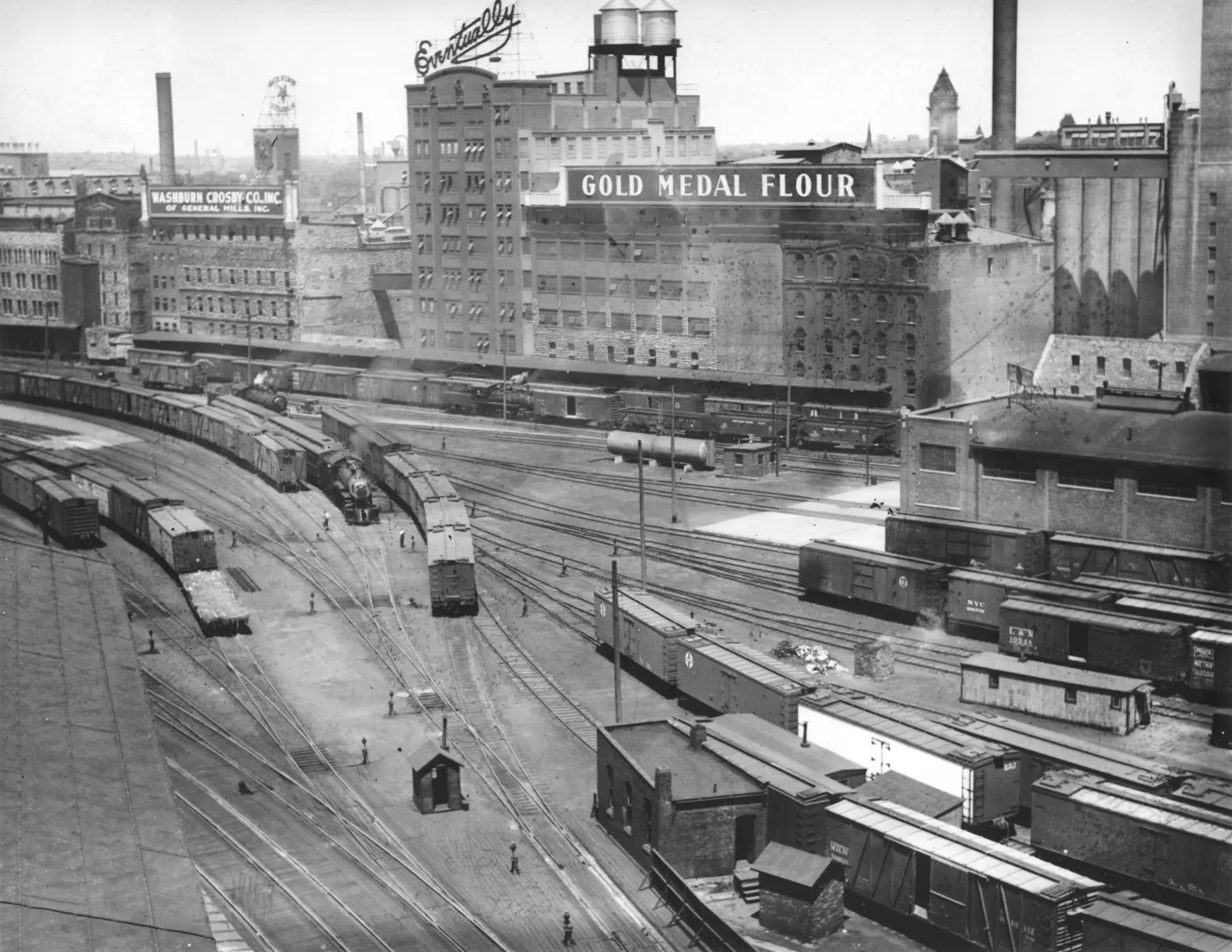
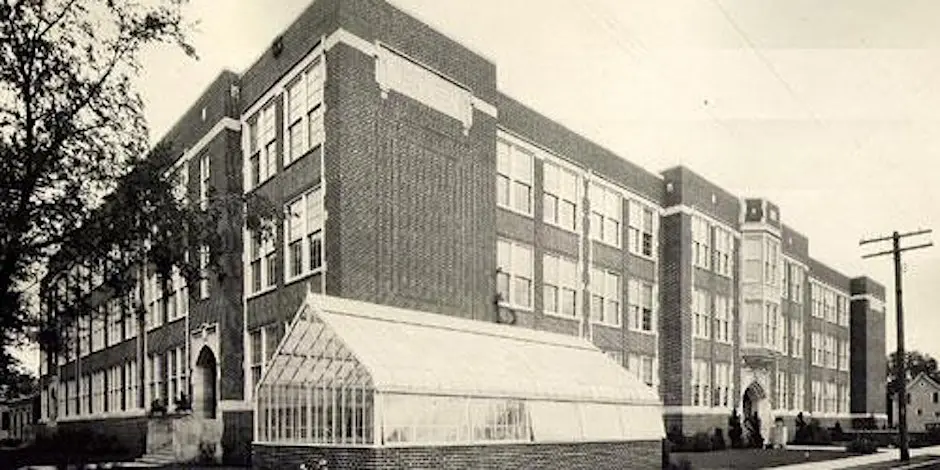
Preserve Minneapolis is a nonprofit-focused organization based in Minneapolis, Minnesota, dedicated to documenting and sharing the city’s architectural and social history. Through guided walking tours and community receptions, Preserve Minneapolis showcases neighborhood stories, historic buildings, and the people who shaped them. Tours include focused experiences such as the Healy Block Residential Historic District Walking Tour, highlighting Queen Anne houses and Theron Potter Healy’s legacy; the Bryn Mawr Walking Tour, exploring bungalow-era streetscapes west of downtown; and the Minneapolis Railroad History Walking Tour, tracing the first rail line established in 1862 and its role in the mill district. Additional offerings include a tour of African American history along East 38th Street, the Sunnyside Addition streetcar suburb exploration, and an Exclusive Donor Reception that brings supporters together. Each tour is led by local historians and experts who use archival research, visible architectural features, and neighborhood context to explain historic significance and preservation challenges. Preserve Minneapolis emphasizes fact-based storytelling, site-specific interpretation, and community engagement. Information presented on tours draws from documented sources, historic records, and surviving built fabric. Preserve Minneapolis partners with community members and preservation professionals to identify priorities, promote awareness, and encourage stewardship of historic resources. Audiences range from architecture enthusiasts to neighborhood residents and visitors seeking an informed understanding of Minneapolis history. The organization’s public programming and donor events support ongoing research, education, and local preservation initiatives. Programs are scheduled seasonally and announced publicly; tickets and donor details are available through Preserve Minneapolis communications and partner listings for interested supporters.
Book with Preserve Minneapolis