THE ADVENTURE COLLECTIVE® · Independent discovery and booking for outdoor travel

Join a priest-led purification at Beji Gria Waterfall near Ubud: a guided ritual of baths, emotional release, and final blessings in a narrow volcanic canyon. Expect clear plunge pools, slippery stone steps, and a deep local spiritual context.
Join a priest-led purification at Beji Gria Waterfall near Ubud: a guided ritual of baths, emotional release, and final blessings in a narrow volcanic canyon. Expect clear plunge pools, slippery stone steps, and a deep local spiritual context.
You step into a cool, shaded canyon and the sound of water threads through the air—Beji Gria's falls push and pull with the rhythm of the valley. A temple priest leads a short meditation at the rock edge, then the procession moves through mossy steps into pools carved by centuries of flow. The ritual unfolds at two primary cascades and a small cleansing well: an initial bath for physical balance, a second to clear the aura, an emotional release at the first fall, and a laughter-filled blessing at the second before a final priestly benediction using coconut-sourced holy water.
Verified experiences and guided adventures in the surrounding area.
Operated by Bali Yowana Tour · Ubud, Bali
You step into a cool, shaded canyon and the sound of water threads through the air—Beji Gria's falls push and pull with the rhythm of the valley. A temple priest leads a short meditation at the rock edge, then the procession moves through mossy steps into pools carved by centuries of flow. The ritual unfolds at two primary cascades and a small cleansing well: an initial bath for physical balance, a second to clear the aura, an emotional release at the first fall, and a laughter-filled blessing at the second before a final priestly benediction using coconut-sourced holy water.
Geology here is straightforward: volcanic bedrock shaped into narrow channels and plunge pools; expect slippery stone surfaces and clear, cool water fed by upland springs. Culturally, this is an active Balinese Hindu purification rite—local pilgrims lead the flow, and temple rules (no participation during menstruation, age limits) are observed out of respect. Guides explain each step and the symbolism attached to the baths.
Practically, the tour is a short drive from central Ubud (30–60 minutes depending on traffic) and runs about 3–4 hours including transfers. Wear a swimsuit beneath light clothing, use water shoes for traction, and bring a dry change of clothes. Hydrate before you enter and follow your guide’s cues during the scream/cry release and laughter steps—both are part of the ceremony, not a tourist performance. Leave offerings and follow temple etiquette: modesty, quiet in prayer areas, and minimal plastic—this site is both sacred and ecologically sensitive.
No—visitors of other faiths can join with respect, but follow the priest and guide’s instructions and local temple protocols.
No—the activity is rated easy; it involves short walks, shallow wading and standing in pools but uneven surfaces require attention.
Yes—this tour’s operator advises participants be between 10 and 60 years old and recommends that pregnant travelers do not participate.
Bring a swimsuit, water shoes, towel, sunscreen, insect repellent, a dry change of clothes, and modesty sash if provided by the operator.
Bali Yowana Tour operates guided outdoor trips and adventures with an emphasis on safety, stewardship, and memorable experiences.
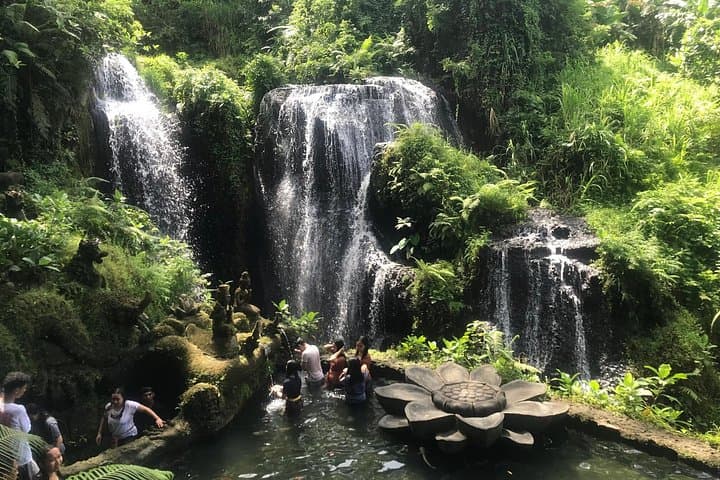


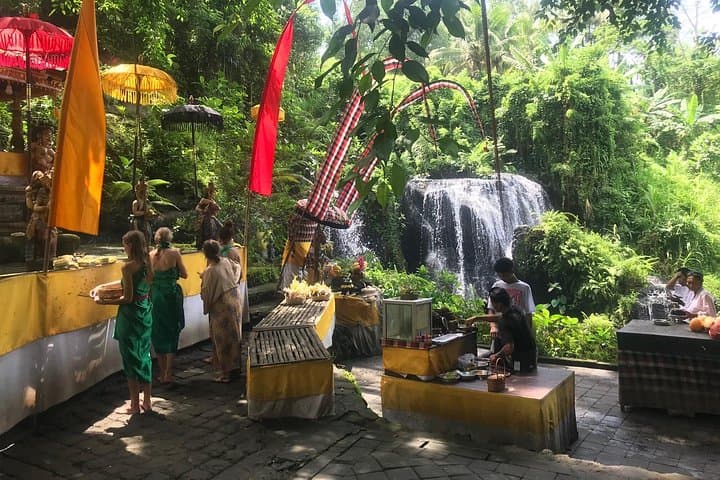
You step into a cool, shaded canyon and the sound of water threads through the air—Beji Gria's falls push and pull with the rhythm of the valley. A temple priest leads a short meditation at the rock edge, then the procession moves through mossy steps into pools carved by centuries of flow. The ritual unfolds at two primary cascades and a small cleansing well: an initial bath for physical balance, a second to clear the aura, an emotional release at the first fall, and a laughter-filled blessing at the second before a final priestly benediction using coconut-sourced holy water.
You step into a cool, shaded canyon and the sound of water threads through the air—Beji Gria's falls push and pull with the rhythm of the valley. A temple priest leads a short meditation at the rock edge, then the procession moves through mossy steps into pools carved by centuries of flow. The ritual unfolds at two primary cascades and a small cleansing well: an initial bath for physical balance, a second to clear the aura, an emotional release at the first fall, and a laughter-filled blessing at the second before a final priestly benediction using coconut-sourced holy water.
Geology here is straightforward: volcanic bedrock shaped into narrow channels and plunge pools; expect slippery stone surfaces and clear, cool water fed by upland springs. Culturally, this is an active Balinese Hindu purification rite—local pilgrims lead the flow, and temple rules (no participation during menstruation, age limits) are observed out of respect. Guides explain each step and the symbolism attached to the baths.
Practically, the tour is a short drive from central Ubud (30–60 minutes depending on traffic) and runs about 3–4 hours including transfers. Wear a swimsuit beneath light clothing, use water shoes for traction, and bring a dry change of clothes. Hydrate before you enter and follow your guide’s cues during the scream/cry release and laughter steps—both are part of the ceremony, not a tourist performance. Leave offerings and follow temple etiquette: modesty, quiet in prayer areas, and minimal plastic—this site is both sacred and ecologically sensitive.