THE ADVENTURE COLLECTIVE® · Independent discovery and booking for outdoor travel

Spend four hours exploring Putrajaya’s modern civic core: the pink-domed Putra Mosque, lakeside views from a traditional boat and a drive past Malaysia’s grand government buildings. This compact tour pairs curated photo stops with local context and practical tips for navigating the city.
Spend four hours exploring Putrajaya’s modern civic core: the pink-domed Putra Mosque, lakeside views from a traditional boat and a drive past Malaysia’s grand government buildings. This compact tour pairs curated photo stops with local context and practical tips for navigating the city.
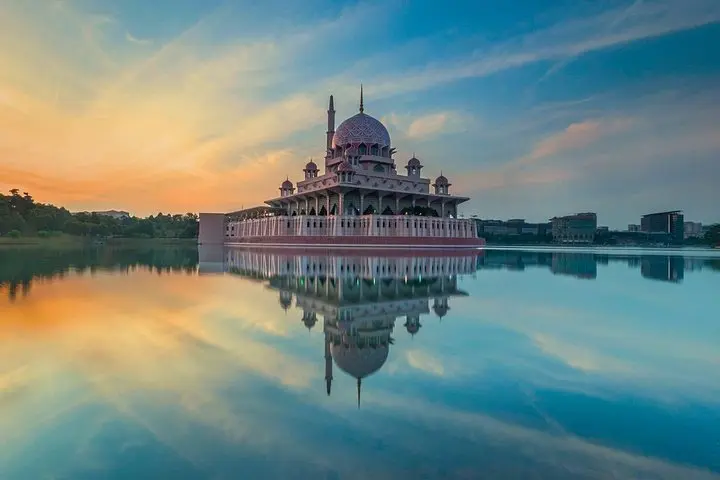
You step out of the air‑conditioned van and the city opens like a modern script—broad boulevards, mirrored domes, and the mauve dome of Putra Mosque catching the late morning light. The four‑hour loop moves at a deliberate pace: a short walk across manicured plazas, a shoreline view from the boat, then a drive past government complexes whose facades read as lessons in contemporary Malaysian identity.
Verified experiences and guided adventures in the surrounding area.
Operated by Exotic Asia Holidays Travel & Tours Sdn Bhd · Putrajaya, Federal Territory of Putrajaya
You step out of the air‑conditioned van and the city opens like a modern script—broad boulevards, mirrored domes, and the mauve dome of Putra Mosque catching the late morning light. The four‑hour loop moves at a deliberate pace: a short walk across manicured plazas, a shoreline view from the boat, then a drive past government complexes whose facades read as lessons in contemporary Malaysian identity.
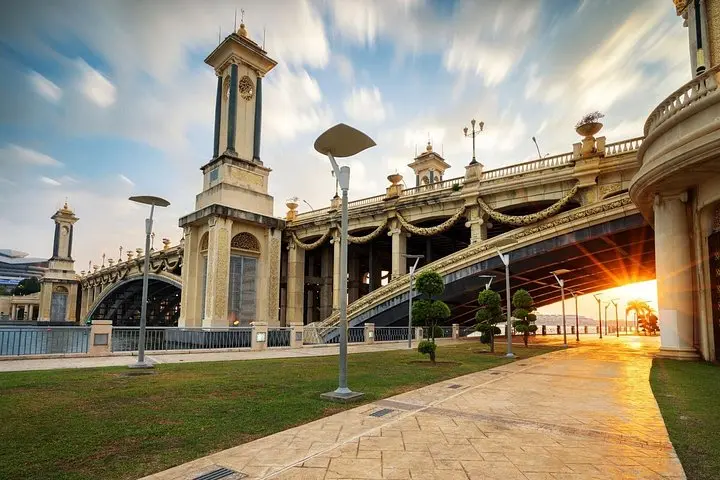
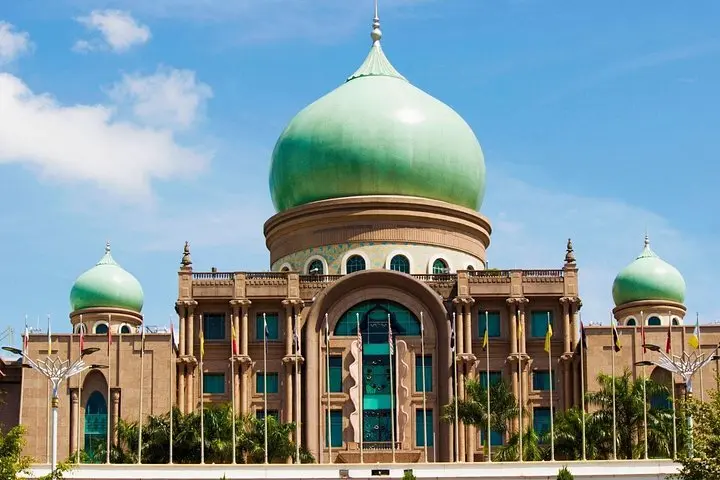
Putrajaya was built in the late 1990s as Malaysia’s administrative capital; the planning shows in ordered canals, deliberate sightlines and monumental civic buildings. Geologically the area sits on low, reclaimed plains carved into artificial lakes—water here is both ornament and climate control, tempering heat and reflecting façades. Culturally the city is a public stage: religious life centers at Putra Mosque, while civic pride shows in the Palace of Justice and Seri Perdana. Locals use the parks and waterfronts for morning exercise; you’ll see joggers, families and office workers with GoPros capturing the bridges.
Practical guidance: plan short walks—most stops are 10–20 minutes—and expect humid air; the boat cruise is largely sheltered but brings breeze and photo angles impossible from land. Bring sun protection, quick‑dry clothing and a compact camera or phone with spare battery. Carry local currency for small purchases and respect prayer times and mosque etiquette—remove shoes and dress modestly when entering. The tour is an efficient way to sample Putrajaya’s design, blending photography stops with calm water time so you leave with both context and clear images of Malaysia’s planned capital.
Admission to view the mosque from outside and to enter certain public areas is typically free; modest dress is required and access to some sections may be restricted during prayer times.
Short cruises can be delayed for safety in heavy rain or high winds; operators often cancel only in severe weather—check messages from the tour operator on the day.
Most departures begin with a pick‑up in Kuala Lumpur and return there at the end; confirm your exact meeting point and pick‑up time when booking.
Yes—walks are short and the boat has easy boarding, but those with significant mobility issues or spinal problems should check accessibility in advance.
Exotic Asia Holidays Travel & Tours Sdn Bhd operates guided outdoor trips and adventures with an emphasis on safety, stewardship, and memorable experiences.
You step out of the air‑conditioned van and the city opens like a modern script—broad boulevards, mirrored domes, and the mauve dome of Putra Mosque catching the late morning light. The four‑hour loop moves at a deliberate pace: a short walk across manicured plazas, a shoreline view from the boat, then a drive past government complexes whose facades read as lessons in contemporary Malaysian identity.
You step out of the air‑conditioned van and the city opens like a modern script—broad boulevards, mirrored domes, and the mauve dome of Putra Mosque catching the late morning light. The four‑hour loop moves at a deliberate pace: a short walk across manicured plazas, a shoreline view from the boat, then a drive past government complexes whose facades read as lessons in contemporary Malaysian identity.
Putrajaya was built in the late 1990s as Malaysia’s administrative capital; the planning shows in ordered canals, deliberate sightlines and monumental civic buildings. Geologically the area sits on low, reclaimed plains carved into artificial lakes—water here is both ornament and climate control, tempering heat and reflecting façades. Culturally the city is a public stage: religious life centers at Putra Mosque, while civic pride shows in the Palace of Justice and Seri Perdana. Locals use the parks and waterfronts for morning exercise; you’ll see joggers, families and office workers with GoPros capturing the bridges.
Practical guidance: plan short walks—most stops are 10–20 minutes—and expect humid air; the boat cruise is largely sheltered but brings breeze and photo angles impossible from land. Bring sun protection, quick‑dry clothing and a compact camera or phone with spare battery. Carry local currency for small purchases and respect prayer times and mosque etiquette—remove shoes and dress modestly when entering. The tour is an efficient way to sample Putrajaya’s design, blending photography stops with calm water time so you leave with both context and clear images of Malaysia’s planned capital.