THE ADVENTURE COLLECTIVE® · Independent discovery and booking for outdoor travel

From Suez Port to the Giza Plateau: a single long day that pairs the Citadel of Saladin and the Mohamed Ali Mosque with panoramic views of the Great Pyramids and the Sphinx. Practical, guided, and ideal for cruise passengers on a tight schedule.
From Suez Port to the Giza Plateau: a single long day that pairs the Citadel of Saladin and the Mohamed Ali Mosque with panoramic views of the Great Pyramids and the Sphinx. Practical, guided, and ideal for cruise passengers on a tight schedule.
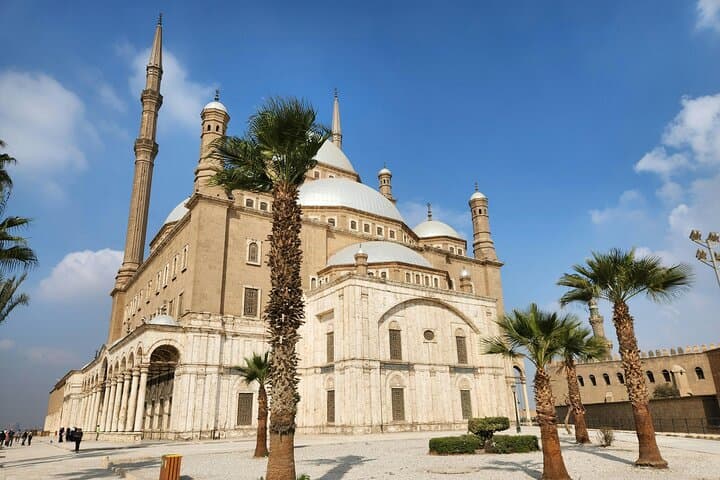
The day begins where sea meets desert: passengers disembark at Suez Port and climb into an air‑conditioned vehicle for a road that unfurls across reclaimed desert and modern towns toward Cairo. The city rises slowly—minarets and concrete blocks—until the Citadel of Saladin crowns the skyline, and the alabaster dome of the Mohamed Ali Mosque catches the light, offering the first wide view of Old Cairo below.
Verified experiences and guided adventures in the surrounding area.
Operated by NORTH AFRICAN SHIPPING AND TOURISM COMPANY (NASCO TOURS) · Cairo, Cairo Governorate
The day begins where sea meets desert: passengers disembark at Suez Port and climb into an air‑conditioned vehicle for a road that unfurls across reclaimed desert and modern towns toward Cairo. The city rises slowly—minarets and concrete blocks—until the Citadel of Saladin crowns the skyline, and the alabaster dome of the Mohamed Ali Mosque catches the light, offering the first wide view of Old Cairo below.
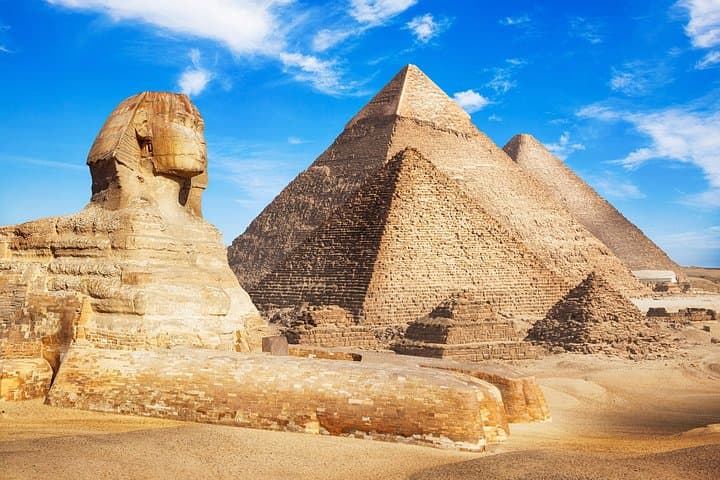
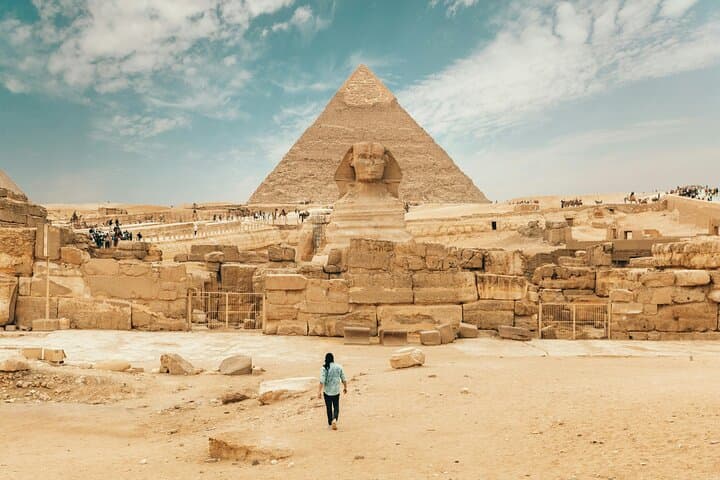
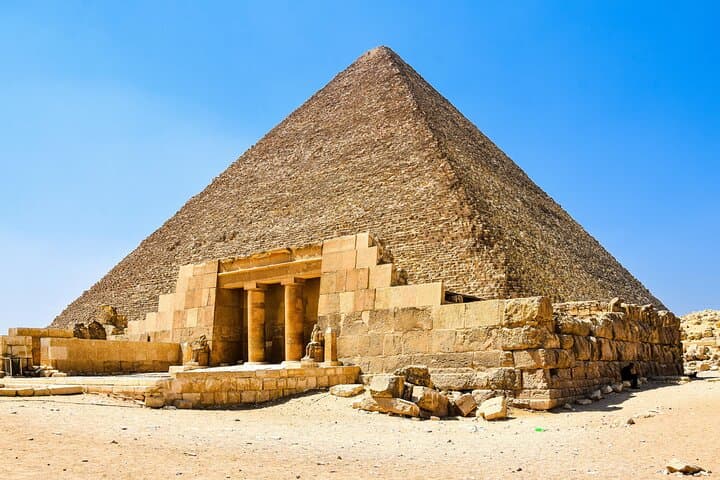
The itinerary threads modern history into ancient geology. Saladin’s 12th‑century fortress commands a strategic ridge; the mosque is a 19th‑century Ottoman gesture above a city layered with Pharaonic, Coptic and Islamic sites. The Western Desert plateaux hold the Great Pyramids of Giza, engineered from limestone quarried nearby and aligned to cardinal points over 4,500 years ago. On the Western Plateau, the scale of the Giza complex—the smooth core of Khufu’s design, the angled flank of Chephren, and the enigmatic Sphinx—becomes physically real.
Practical guidance is straightforward: this is a long day (about 10–11 hours) with periods of walking, stairs and open sun. Wear modest, breathable clothing for mosque visits, sturdy shoes for uneven terrain around the pyramids, and carry water and sunscreen. Bring local currency for entry fees, tips and souvenirs; expect a stop at a papyrus institute for demonstrations and shopping. Timed right—early morning light at the plateau or late afternoon warmth—this one‑day excursion gives a concentrated, manageable taste of Egypt’s most famous landmarks while returning to Suez Port by evening.
Yes—this tour offers pickup and drop‑off at Suez Port; transfers are in air‑conditioned vehicles.
Yes—entrance fees to listed sites, a local lunch, and all local taxes are included in the price.
Visitors can enter exterior courtyards and main prayer areas outside of prayer times—dress modestly and follow on‑site instructions.
The tour involves walking on uneven ground and steps; it’s generally suitable for those with light mobility issues but not ideal for full wheelchair dependence—contact the operator for accommodations.
NORTH AFRICAN SHIPPING AND TOURISM COMPANY (NASCO TOURS) operates guided outdoor trips and adventures with an emphasis on safety, stewardship, and memorable experiences.
The day begins where sea meets desert: passengers disembark at Suez Port and climb into an air‑conditioned vehicle for a road that unfurls across reclaimed desert and modern towns toward Cairo. The city rises slowly—minarets and concrete blocks—until the Citadel of Saladin crowns the skyline, and the alabaster dome of the Mohamed Ali Mosque catches the light, offering the first wide view of Old Cairo below.
The day begins where sea meets desert: passengers disembark at Suez Port and climb into an air‑conditioned vehicle for a road that unfurls across reclaimed desert and modern towns toward Cairo. The city rises slowly—minarets and concrete blocks—until the Citadel of Saladin crowns the skyline, and the alabaster dome of the Mohamed Ali Mosque catches the light, offering the first wide view of Old Cairo below.
The itinerary threads modern history into ancient geology. Saladin’s 12th‑century fortress commands a strategic ridge; the mosque is a 19th‑century Ottoman gesture above a city layered with Pharaonic, Coptic and Islamic sites. The Western Desert plateaux hold the Great Pyramids of Giza, engineered from limestone quarried nearby and aligned to cardinal points over 4,500 years ago. On the Western Plateau, the scale of the Giza complex—the smooth core of Khufu’s design, the angled flank of Chephren, and the enigmatic Sphinx—becomes physically real.
Practical guidance is straightforward: this is a long day (about 10–11 hours) with periods of walking, stairs and open sun. Wear modest, breathable clothing for mosque visits, sturdy shoes for uneven terrain around the pyramids, and carry water and sunscreen. Bring local currency for entry fees, tips and souvenirs; expect a stop at a papyrus institute for demonstrations and shopping. Timed right—early morning light at the plateau or late afternoon warmth—this one‑day excursion gives a concentrated, manageable taste of Egypt’s most famous landmarks while returning to Suez Port by evening.