THE ADVENTURE COLLECTIVE® · Independent discovery and booking for outdoor travel

Spend a full day crossing the Giza Plateau and exploring the Egyptian Museum with a private Egyptologist guide. See the Great Pyramids, the Sphinx and Tutankhamen’s treasures with hotel pickup, entrance fees and lunch included.
Spend a full day crossing the Giza Plateau and exploring the Egyptian Museum with a private Egyptologist guide. See the Great Pyramids, the Sphinx and Tutankhamen’s treasures with hotel pickup, entrance fees and lunch included.
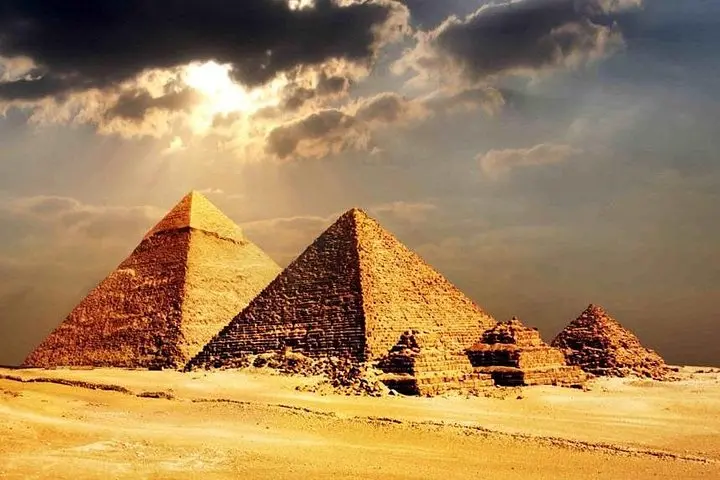
You step out of the air-conditioned van into a pale, dry light; the desert wind seems to nudge the stones forward and the pyramids loom, precise and indifferent, above the low bustle of vendors and tourists. The guide moves with purposeful calm, setting a route across the plateau where the three great pyramids — Khufu (Cheops), Khafre (Chephren) and Menkaure (Mykerinus) — stand like engineered mountains.
Verified experiences and guided adventures in the surrounding area.
Operated by Go Luxor Tours · Giza, Cairo Governorate
You step out of the air-conditioned van into a pale, dry light; the desert wind seems to nudge the stones forward and the pyramids loom, precise and indifferent, above the low bustle of vendors and tourists. The guide moves with purposeful calm, setting a route across the plateau where the three great pyramids — Khufu (Cheops), Khafre (Chephren) and Menkaure (Mykerinus) — stand like engineered mountains.
This landscape is layered history: limestone beds tilted by ancient tectonics, quarried blocks that once traveled by sled and rope, and the Sphinx whose face has been revealed and reburied by centuries of sand. You’ll learn why pyramid shape mattered in funerary theology and how labor, logistics and seasonal Nile floods shaped construction.
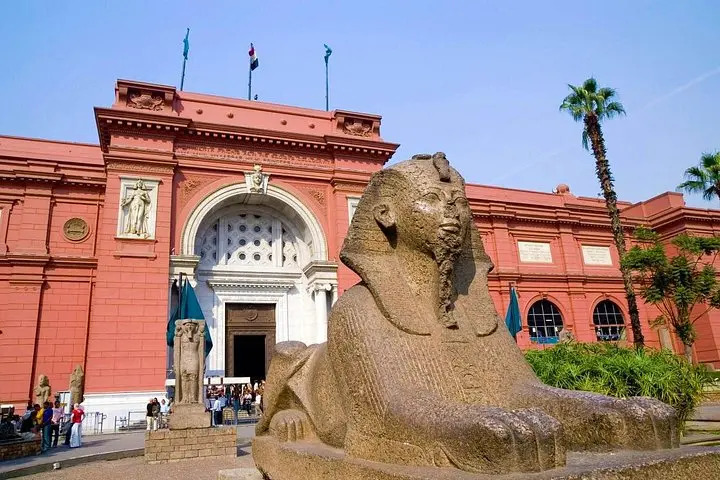
After lunch at a nearby restaurant serving classic Egyptian dishes, the tour moves to the Egyptian Museum where over 250,000 artifacts chronicle pharaonic life — including Tutankhamen’s gold and funerary objects recovered from his sealed tomb. The museum’s pieces offer a counterpoint to the outdoor scale of the plateau: delicate jewelry, painted wood, and ritual objects conserved behind glass.
Practicalities are straightforward: expect roughly eight hours of guided touring with hotel pickup, entrance fees, bottled water and a private, air-conditioned vehicle included. Wear sturdy shoes for uneven sand and steps, protect against strong sun (or late-afternoon glare), and budget time for photography and short walks across soft stone and compacted sand. The experience balances monumental sightlines with close-up cultural context — a full day that reads Egypt’s past in stone and gold.
Yes — entrance fees to the Giza Plateau sites and the Egyptian Museum are included in this tour.
Accessibility options are listed as wheelchair accessible, but some outdoor surfaces are uneven; check with the operator about vehicle and site access requirements.
The typical itinerary allows about two hours at the pyramids, 40 minutes at the Sphinx/Valley Temple area, and around 90 minutes at the Egyptian Museum, plus lunch and transfers.
Yes — most operators can accommodate dietary requests if notified in advance through the booking questions.
Go Luxor Tours operates guided outdoor trips and adventures with an emphasis on safety, stewardship, and memorable experiences.
You step out of the air-conditioned van into a pale, dry light; the desert wind seems to nudge the stones forward and the pyramids loom, precise and indifferent, above the low bustle of vendors and tourists. The guide moves with purposeful calm, setting a route across the plateau where the three great pyramids — Khufu (Cheops), Khafre (Chephren) and Menkaure (Mykerinus) — stand like engineered mountains.
You step out of the air-conditioned van into a pale, dry light; the desert wind seems to nudge the stones forward and the pyramids loom, precise and indifferent, above the low bustle of vendors and tourists. The guide moves with purposeful calm, setting a route across the plateau where the three great pyramids — Khufu (Cheops), Khafre (Chephren) and Menkaure (Mykerinus) — stand like engineered mountains.
This landscape is layered history: limestone beds tilted by ancient tectonics, quarried blocks that once traveled by sled and rope, and the Sphinx whose face has been revealed and reburied by centuries of sand. You’ll learn why pyramid shape mattered in funerary theology and how labor, logistics and seasonal Nile floods shaped construction.
After lunch at a nearby restaurant serving classic Egyptian dishes, the tour moves to the Egyptian Museum where over 250,000 artifacts chronicle pharaonic life — including Tutankhamen’s gold and funerary objects recovered from his sealed tomb. The museum’s pieces offer a counterpoint to the outdoor scale of the plateau: delicate jewelry, painted wood, and ritual objects conserved behind glass.
Practicalities are straightforward: expect roughly eight hours of guided touring with hotel pickup, entrance fees, bottled water and a private, air-conditioned vehicle included. Wear sturdy shoes for uneven sand and steps, protect against strong sun (or late-afternoon glare), and budget time for photography and short walks across soft stone and compacted sand. The experience balances monumental sightlines with close-up cultural context — a full day that reads Egypt’s past in stone and gold.