THE ADVENTURE COLLECTIVE® · Independent discovery and booking for outdoor travel

A full-day guided loop from the Giza Plateau to the Egyptian Museum that pairs the immense scale of the pyramids and Sphinx with museum-curated antiquities. Expect 6–8 hours of walking on uneven ground, strong sun, and concentrated history.
A full-day guided loop from the Giza Plateau to the Egyptian Museum that pairs the immense scale of the pyramids and Sphinx with museum-curated antiquities. Expect 6–8 hours of walking on uneven ground, strong sun, and concentrated history.
You step out of the air-conditioned vehicle into a wind that seems to move with purpose — dry, warm and carrying dust from millennia of footsteps. On the Western Plateau the three great pyramids stand like blunt mountains, their limestone faces catching the sun as tourists drift between them. The Sphinx watches from its low mound, wind-worn nose and all, a mute guardian demanding time and attention.
Verified experiences and guided adventures in the surrounding area.
Operated by Oman Day Tours · Giza, Cairo Governorate
You step out of the air-conditioned vehicle into a wind that seems to move with purpose — dry, warm and carrying dust from millennia of footsteps. On the Western Plateau the three great pyramids stand like blunt mountains, their limestone faces catching the sun as tourists drift between them. The Sphinx watches from its low mound, wind-worn nose and all, a mute guardian demanding time and attention.
These monuments date from Egypt's Old Kingdom and were built as royal tombs; the plateau’s geology is compacted limestone with pockets of sand and gravel that shape how you walk and where ruins sit. Crossing to Tahrir Square later, you enter a different layer of Cairo: 19th–20th century urban planning, colonial-era buildings, and the modern city that fought for its own voice during the 2011 revolution.
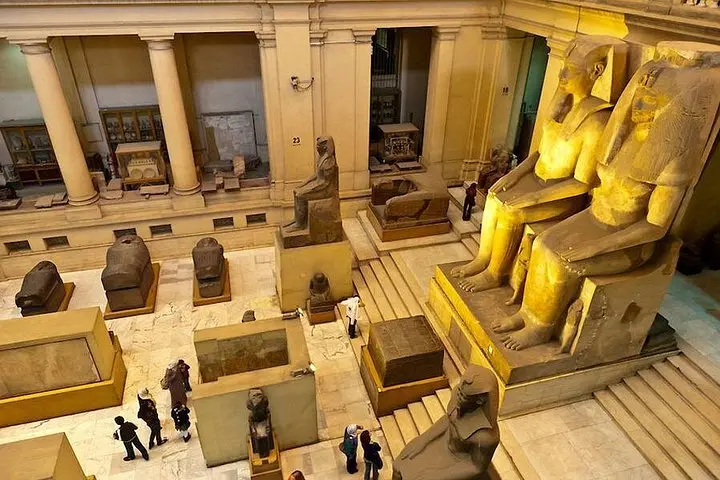
The Egyptian Museum houses artifacts that span three millennia, including Tutankhamun's gold treasure and thousands of catalogued pieces that reveal everyday life and sacred ritual.
Practical guidance: expect 6–8 hours with multiple short walks on uneven ground and steps. Wear sturdy closed-toe shoes for the plateau and bring sun protection; shaded spots are limited. Photography is allowed in most outdoor areas but check signage inside museum halls — some exhibits restrict flash. Hydrate frequently and plan your visit for morning or late afternoon to avoid the harshest sun. If you have mobility constraints, note the plateau includes sandy footing and some slopes; request pickup and drop-off points close to your lodging. With a knowledgeable Egyptologist guide, this route balances dramatic outdoor scale with curated indoor history, delivering a compact day that moves from ancient stone to museum galleries.
The tour runs about 6–8 hours with guided stops: ~2 hours on the pyramids plateau, a short Sphinx/Valley Temple visit, then ~2 hours at the Egyptian Museum. Pace is moderate with time for photos.
Yes — entrance to the mentioned sites is included in the listed itinerary; confirm with your operator for any optional extras like camel rides or special exhibitions.
Visitors can approach and touch exterior stones in some areas, but entry into internal chambers may be restricted, require additional tickets, and is sometimes closed for conservation.
The tour is family-friendly but not recommended for pregnant travelers or anyone with serious back/spinal issues due to uneven terrain and some climbing.
Oman Day Tours operates guided outdoor trips and adventures with an emphasis on safety, stewardship, and memorable experiences.
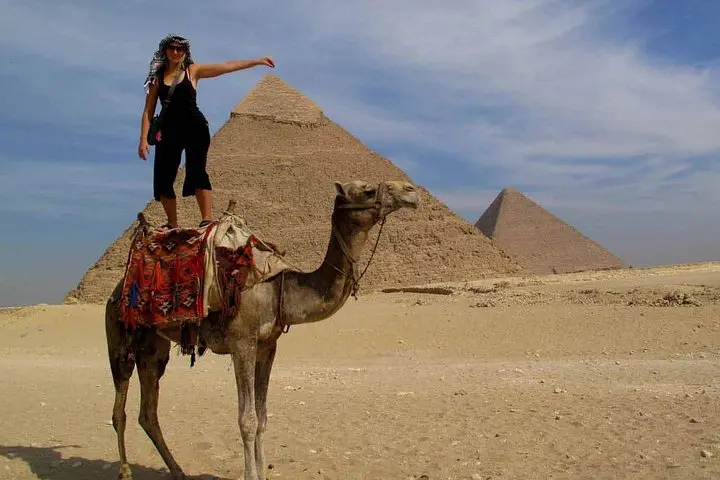
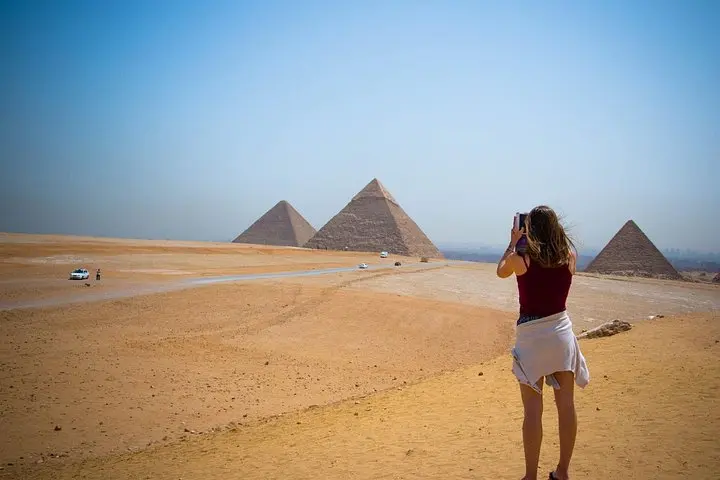
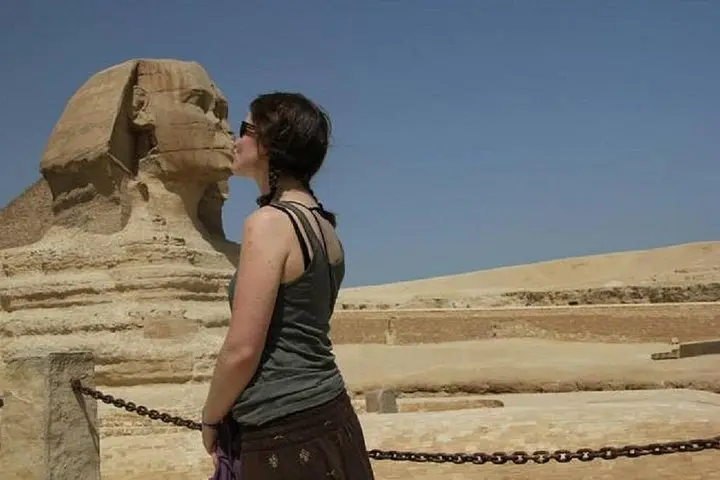
You step out of the air-conditioned vehicle into a wind that seems to move with purpose — dry, warm and carrying dust from millennia of footsteps. On the Western Plateau the three great pyramids stand like blunt mountains, their limestone faces catching the sun as tourists drift between them. The Sphinx watches from its low mound, wind-worn nose and all, a mute guardian demanding time and attention.
You step out of the air-conditioned vehicle into a wind that seems to move with purpose — dry, warm and carrying dust from millennia of footsteps. On the Western Plateau the three great pyramids stand like blunt mountains, their limestone faces catching the sun as tourists drift between them. The Sphinx watches from its low mound, wind-worn nose and all, a mute guardian demanding time and attention.
These monuments date from Egypt's Old Kingdom and were built as royal tombs; the plateau’s geology is compacted limestone with pockets of sand and gravel that shape how you walk and where ruins sit. Crossing to Tahrir Square later, you enter a different layer of Cairo: 19th–20th century urban planning, colonial-era buildings, and the modern city that fought for its own voice during the 2011 revolution.
The Egyptian Museum houses artifacts that span three millennia, including Tutankhamun's gold treasure and thousands of catalogued pieces that reveal everyday life and sacred ritual.
Practical guidance: expect 6–8 hours with multiple short walks on uneven ground and steps. Wear sturdy closed-toe shoes for the plateau and bring sun protection; shaded spots are limited. Photography is allowed in most outdoor areas but check signage inside museum halls — some exhibits restrict flash. Hydrate frequently and plan your visit for morning or late afternoon to avoid the harshest sun. If you have mobility constraints, note the plateau includes sandy footing and some slopes; request pickup and drop-off points close to your lodging. With a knowledgeable Egyptologist guide, this route balances dramatic outdoor scale with curated indoor history, delivering a compact day that moves from ancient stone to museum galleries.