THE ADVENTURE COLLECTIVE® · Independent discovery and booking for outdoor travel

A full‑day private tour that pairs the Giza Pyramids and Sphinx with the Egyptian Museum, a stroll through Khan el‑Khalili and an evening Nile dinner cruise. Expect guided archaeology, lively bazaars and a relaxed boat dinner with entertainment.
A full‑day private tour that pairs the Giza Pyramids and Sphinx with the Egyptian Museum, a stroll through Khan el‑Khalili and an evening Nile dinner cruise. Expect guided archaeology, lively bazaars and a relaxed boat dinner with entertainment.
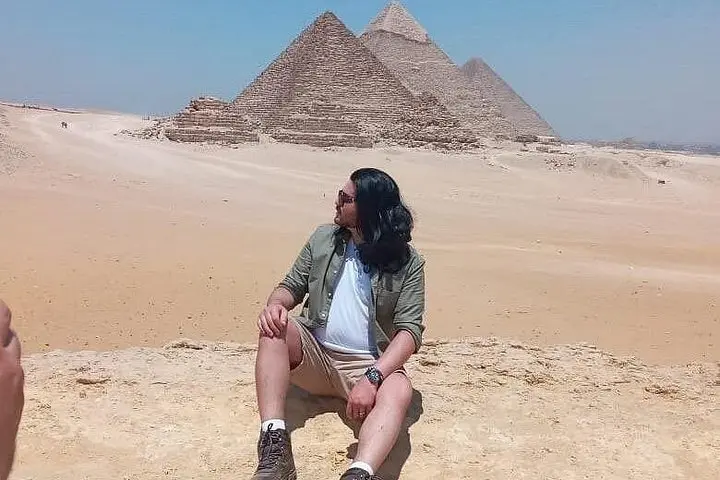
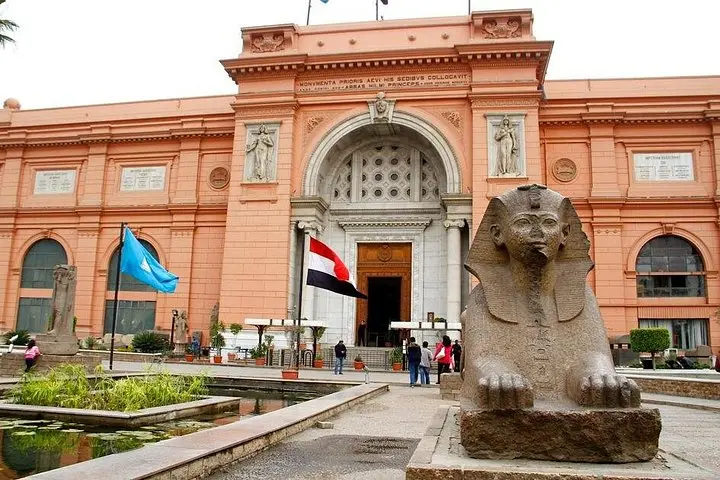
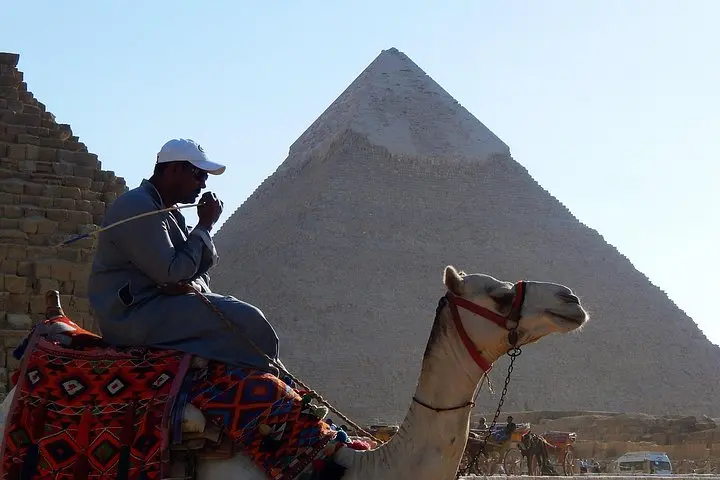
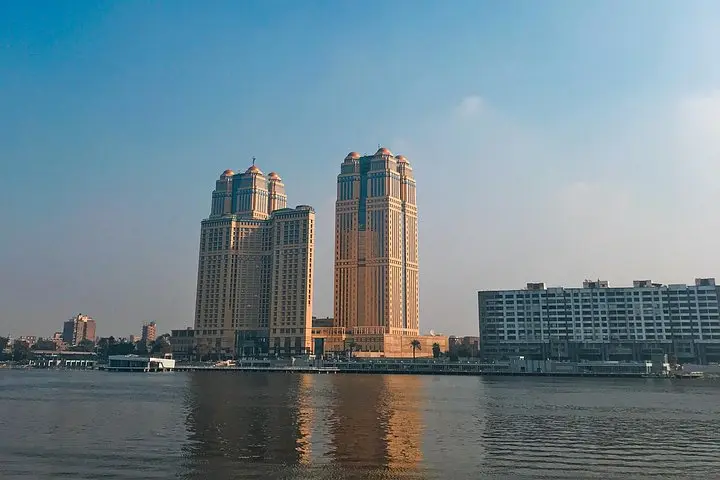
The sun strikes the angled faces of the Great Pyramid as dust drifts across the Giza Plateau and a warm wind pushes the day forward. Visitors move between the geometric shadows of Cheops, Chephren and Menkaure, then follow a guide through the Sphinx’s carved glare toward the limestone Valley Temple. Later the city’s pulse shifts to the Egyptian Museum and the narrow lanes of Khan el-Khalili, finishing with lantern light on a two‑hour Nile dinner cruise where music and dance ride the river’s current.
Verified experiences and guided adventures in the surrounding area.
Operated by This is Egypt Tours · Cairo, Cairo Governorate
The sun strikes the angled faces of the Great Pyramid as dust drifts across the Giza Plateau and a warm wind pushes the day forward. Visitors move between the geometric shadows of Cheops, Chephren and Menkaure, then follow a guide through the Sphinx’s carved glare toward the limestone Valley Temple. Later the city’s pulse shifts to the Egyptian Museum and the narrow lanes of Khan el-Khalili, finishing with lantern light on a two‑hour Nile dinner cruise where music and dance ride the river’s current.
This route stitches together millennia: Fourth‑Dynasty tomb builders raised massive limestone blocks here around 4,500 years ago; the museum houses artifacts spanning pharaonic Egypt including Tutankhamun’s funerary finds; Khan el‑Khalili grew during medieval Islamic Cairo as a trading quarter. Geology is obvious in the plateau’s layered limestone; the Nile, older still in the landscape, shaped settlement patterns and trade routes.
Expect guided narration, short walks over uneven desert stone, crowded bazaar alleys and a calm, slow-moving boat on the Nile at night. Practical planning matters: start early at Giza for cooler light and fewer vendors, wear sturdy shoes for gravel and stone, carry sunscreen and at least 1–2 liters of water, and dress conservatively in the bazaar and around religious sites. Cash in small denominations helps for tips and purchases; agree prices before buying. For an efficient day, confirm hotel pickup and included services in advance—this itinerary packs long drives, several stops, and a two‑hour dinner cruise into a full day.
Confirm with the operator—many private tours include entrance and boat fees, but some require on‑site ticket purchases; check your booking details.
Sites like the Giza Plateau and the Egyptian Museum have areas that are challenging for wheelchairs due to uneven surfaces; contact the operator about accessibility options and transport.
The typical dinner cruise lasts about two hours and includes a set menu, live entertainment such as belly dancing and folklore music, and boat fees as noted by the tour provider.
Casual, modest clothing is appropriate; comfortable shoes are recommended for narrow, uneven bazaar alleys and crowded conditions.
This is Egypt Tours operates guided outdoor trips and adventures with an emphasis on safety, stewardship, and memorable experiences.
The sun strikes the angled faces of the Great Pyramid as dust drifts across the Giza Plateau and a warm wind pushes the day forward. Visitors move between the geometric shadows of Cheops, Chephren and Menkaure, then follow a guide through the Sphinx’s carved glare toward the limestone Valley Temple. Later the city’s pulse shifts to the Egyptian Museum and the narrow lanes of Khan el-Khalili, finishing with lantern light on a two‑hour Nile dinner cruise where music and dance ride the river’s current.
The sun strikes the angled faces of the Great Pyramid as dust drifts across the Giza Plateau and a warm wind pushes the day forward. Visitors move between the geometric shadows of Cheops, Chephren and Menkaure, then follow a guide through the Sphinx’s carved glare toward the limestone Valley Temple. Later the city’s pulse shifts to the Egyptian Museum and the narrow lanes of Khan el-Khalili, finishing with lantern light on a two‑hour Nile dinner cruise where music and dance ride the river’s current.
This route stitches together millennia: Fourth‑Dynasty tomb builders raised massive limestone blocks here around 4,500 years ago; the museum houses artifacts spanning pharaonic Egypt including Tutankhamun’s funerary finds; Khan el‑Khalili grew during medieval Islamic Cairo as a trading quarter. Geology is obvious in the plateau’s layered limestone; the Nile, older still in the landscape, shaped settlement patterns and trade routes.
Expect guided narration, short walks over uneven desert stone, crowded bazaar alleys and a calm, slow-moving boat on the Nile at night. Practical planning matters: start early at Giza for cooler light and fewer vendors, wear sturdy shoes for gravel and stone, carry sunscreen and at least 1–2 liters of water, and dress conservatively in the bazaar and around religious sites. Cash in small denominations helps for tips and purchases; agree prices before buying. For an efficient day, confirm hotel pickup and included services in advance—this itinerary packs long drives, several stops, and a two‑hour dinner cruise into a full day.