THE ADVENTURE COLLECTIVE® · Independent discovery and booking for outdoor travel

Cross the last living Inca rope bridge on a full-day tour from Cusco. Experience high‑altitude Andean scenery, a community‑run bridge ceremony, and lakeside village culture with practical guidance for altitude and terrain.
Cross the last living Inca rope bridge on a full-day tour from Cusco. Experience high‑altitude Andean scenery, a community‑run bridge ceremony, and lakeside village culture with practical guidance for altitude and terrain.
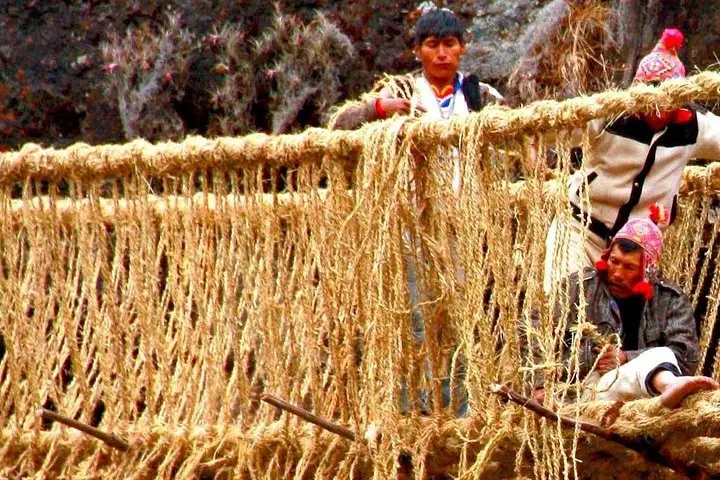
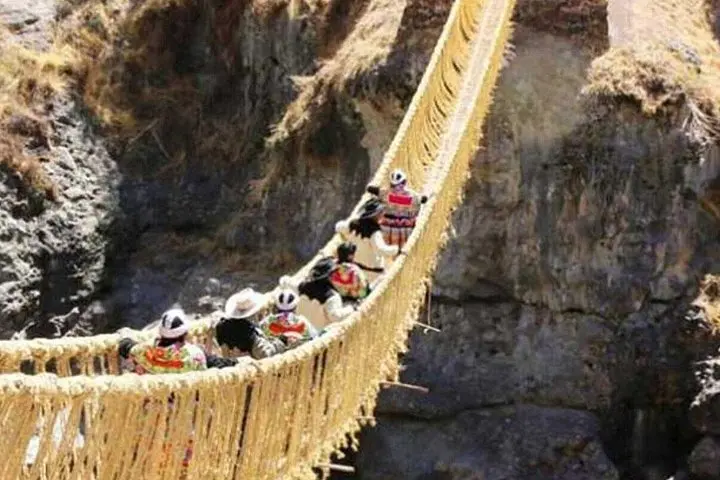
You step from the van into thin air—3,700 meters where the breath comes shorter and the Andean light is sharp. The Q’eswachaka bridge arches across a green ravine ahead, a 28‑meter cord of grass rope held taut by a community that still rebuilds it by hand each year. Wind teases the grasses; the bridge sways with a quiet confidence, daring you to cross.
Verified experiences and guided adventures in the surrounding area.
Operated by Aremika Expeditions · Cusco, Cusco Region
You step from the van into thin air—3,700 meters where the breath comes shorter and the Andean light is sharp. The Q’eswachaka bridge arches across a green ravine ahead, a 28‑meter cord of grass rope held taut by a community that still rebuilds it by hand each year. Wind teases the grasses; the bridge sways with a quiet confidence, daring you to cross.
This place is living history. Q’eswachaka is one of the last functional Inca suspension bridges maintained through communal ritual, a practical engineering solution born of woven ichu grass and careful anchorwork. The geology here is high Andean plateau: eroded volcanic soils, steep river-cut valleys and panoramic ridgelines that direct weather and shepherds’ trails alike. Culture is close at hand—Quechua communities guide the ritual re‑weaving, and local menus showcase maize, potatoes and hearty stews that fuel mountain work.
Expect a full day: early pickup from Cusco, a countryside drive through high puna, a guided hour on the bridge for photos and crossing, then viewpoints, a village history talk, lunch and a gentle walk around Urinsaya lagoon with a chance to try artisanal fishing. The tour is logistically straightforward but remember the altitude—move slowly, hydrate, and let your body set the pace.
Practical tips: bring layered insulation, reliable footwear for uneven stone and grass paths, sun protection for high‑altitude UV, and cash for small purchases. Respect local customs during the bridge ceremony—ask before photographing ceremonies or people. With basic acclimatization this day trip is a compact, tangible encounter with living Inca engineering and Andean village life.
Pickup is early; expect roughly 3–4 hours each way depending on stops and road conditions.
Yes—the bridge is maintained annually by local communities using traditional techniques; guides manage crossings to limit load.
Yes, the tour includes an American-style semi-buffet breakfast and a hot lunch as listed in the inclusions.
The tour is at high elevation; rest and hydrate before joining, consider coca tea, and inform the operator of any cardiovascular issues.
Aremika Expeditions operates guided outdoor trips and adventures with an emphasis on safety, stewardship, and memorable experiences.
You step from the van into thin air—3,700 meters where the breath comes shorter and the Andean light is sharp. The Q’eswachaka bridge arches across a green ravine ahead, a 28‑meter cord of grass rope held taut by a community that still rebuilds it by hand each year. Wind teases the grasses; the bridge sways with a quiet confidence, daring you to cross.
You step from the van into thin air—3,700 meters where the breath comes shorter and the Andean light is sharp. The Q’eswachaka bridge arches across a green ravine ahead, a 28‑meter cord of grass rope held taut by a community that still rebuilds it by hand each year. Wind teases the grasses; the bridge sways with a quiet confidence, daring you to cross.
This place is living history. Q’eswachaka is one of the last functional Inca suspension bridges maintained through communal ritual, a practical engineering solution born of woven ichu grass and careful anchorwork. The geology here is high Andean plateau: eroded volcanic soils, steep river-cut valleys and panoramic ridgelines that direct weather and shepherds’ trails alike. Culture is close at hand—Quechua communities guide the ritual re‑weaving, and local menus showcase maize, potatoes and hearty stews that fuel mountain work.
Expect a full day: early pickup from Cusco, a countryside drive through high puna, a guided hour on the bridge for photos and crossing, then viewpoints, a village history talk, lunch and a gentle walk around Urinsaya lagoon with a chance to try artisanal fishing. The tour is logistically straightforward but remember the altitude—move slowly, hydrate, and let your body set the pace.
Practical tips: bring layered insulation, reliable footwear for uneven stone and grass paths, sun protection for high‑altitude UV, and cash for small purchases. Respect local customs during the bridge ceremony—ask before photographing ceremonies or people. With basic acclimatization this day trip is a compact, tangible encounter with living Inca engineering and Andean village life.