THE ADVENTURE COLLECTIVE® · Independent discovery and booking for outdoor travel

Swap Baku’s bustle for wooded valleys, cliffside mosques and mountain air on a private day trip that links Qabala and Shamakhi. Expect short walks to viewpoints, regional history, and a dramatic visit to the Diri Baba tomb.
Swap Baku’s bustle for wooded valleys, cliffside mosques and mountain air on a private day trip that links Qabala and Shamakhi. Expect short walks to viewpoints, regional history, and a dramatic visit to the Diri Baba tomb.
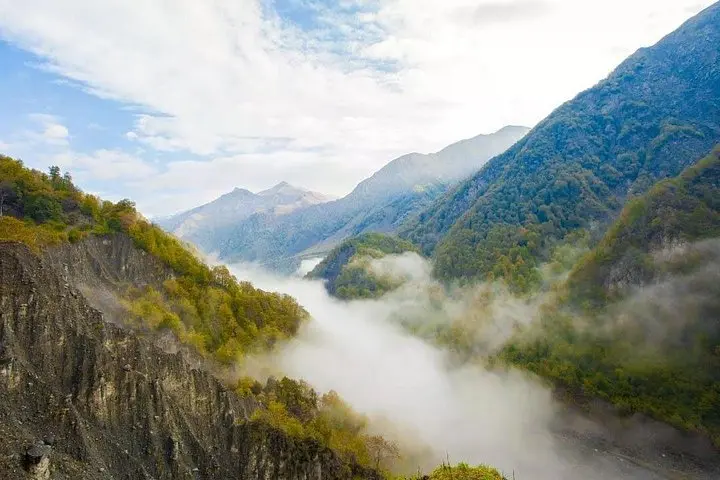
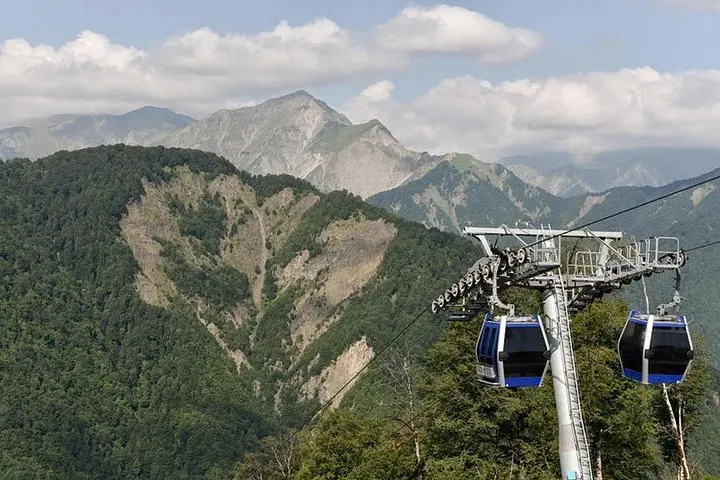
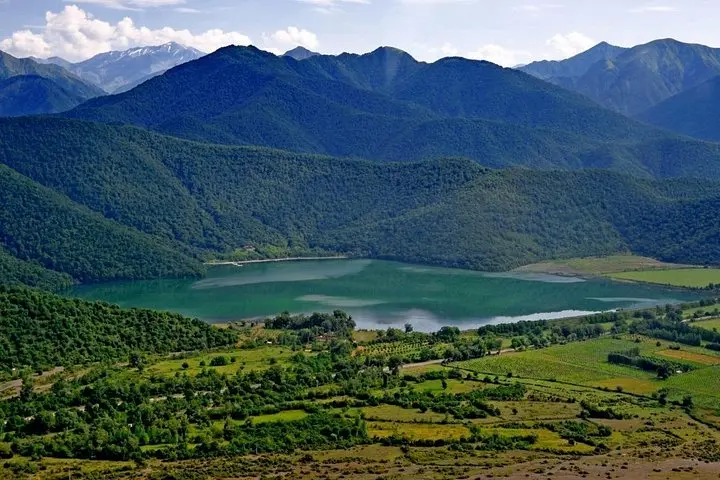
You step out of the minivan into a cool spill of air that seems to push the city’s heat behind you; the Greater Caucasus foothills rise like a moving wall, and the road opens into a green pocket of valleys and orchards. This full‑day private loop threads between Qabala (Gabala) and Shamakhi (Shamaxi), swapping Baku’s coastline for chestnut forests, cliff mosques and panoramic ridgelines.
Verified experiences and guided adventures in the surrounding area.
Operated by Baku Sightseeing · Baku, Baku
You step out of the minivan into a cool spill of air that seems to push the city’s heat behind you; the Greater Caucasus foothills rise like a moving wall, and the road opens into a green pocket of valleys and orchards. This full‑day private loop threads between Qabala (Gabala) and Shamakhi (Shamaxi), swapping Baku’s coastline for chestnut forests, cliff mosques and panoramic ridgelines.
The corridor between these towns records millennia: Shirvan and Caucasian Albania influences, Silk Road arteries and defensive watchposts. Geologically, you cross folded sedimentary foothills where erosion has carved cliffs used as natural foundations for sites like the Diri Baba mausoleum (built into a cliff face in 1402). In Qabala, higher meadows and river gorges reflect recent glacial sculpting and rich alluvial soils that feed the region’s orchards.
Culturally, expect small‑town rhythms — teahouses, walnut groves and Azerbaijani hospitality. The Diri Baba tomb is an intimate example of regional architecture adapted to steep terrain; nearby villages preserve crafts and rural foodways.
Practically: this is a long day (10–12 hours) with several short walks (most under 1.5 km) and modest elevation changes (hundreds of meters) to viewpoints and the mausoleum. Roads are a mix of paved highways and local mountain approaches; some short gravel stretches are likely.
Bring layered gear, sun and rain protection, and plan for vehicle time between stops. Timing your visit for morning light at Diri Baba or late afternoon in Gabala gives the best vistas. The trip balances cultural stops with fresh‑air alpine scenery — efficient, scenic and grounded in place.
Expect several hours of combined driving; the full itinerary is a 10–12 hour day including stops—plan for multi‑hour transits between sites.
No technical access is required; reach the mausoleum via a short uphill path with steps carved into rock—wear good shoes and be mindful of narrow sections.
Lunch is included on the listed tour; expect a regional meal at a local restaurant or guesthouse featuring Azerbaijani dishes.
Short walks and some steps mean limited mobility guests may find access challenging; infants can travel but must sit on laps per tour policy.
Baku Sightseeing operates guided outdoor trips and adventures with an emphasis on safety, stewardship, and memorable experiences.
You step out of the minivan into a cool spill of air that seems to push the city’s heat behind you; the Greater Caucasus foothills rise like a moving wall, and the road opens into a green pocket of valleys and orchards. This full‑day private loop threads between Qabala (Gabala) and Shamakhi (Shamaxi), swapping Baku’s coastline for chestnut forests, cliff mosques and panoramic ridgelines.
You step out of the minivan into a cool spill of air that seems to push the city’s heat behind you; the Greater Caucasus foothills rise like a moving wall, and the road opens into a green pocket of valleys and orchards. This full‑day private loop threads between Qabala (Gabala) and Shamakhi (Shamaxi), swapping Baku’s coastline for chestnut forests, cliff mosques and panoramic ridgelines.
The corridor between these towns records millennia: Shirvan and Caucasian Albania influences, Silk Road arteries and defensive watchposts. Geologically, you cross folded sedimentary foothills where erosion has carved cliffs used as natural foundations for sites like the Diri Baba mausoleum (built into a cliff face in 1402). In Qabala, higher meadows and river gorges reflect recent glacial sculpting and rich alluvial soils that feed the region’s orchards.
Culturally, expect small‑town rhythms — teahouses, walnut groves and Azerbaijani hospitality. The Diri Baba tomb is an intimate example of regional architecture adapted to steep terrain; nearby villages preserve crafts and rural foodways.
Practically: this is a long day (10–12 hours) with several short walks (most under 1.5 km) and modest elevation changes (hundreds of meters) to viewpoints and the mausoleum. Roads are a mix of paved highways and local mountain approaches; some short gravel stretches are likely.
Bring layered gear, sun and rain protection, and plan for vehicle time between stops. Timing your visit for morning light at Diri Baba or late afternoon in Gabala gives the best vistas. The trip balances cultural stops with fresh‑air alpine scenery — efficient, scenic and grounded in place.