THE ADVENTURE COLLECTIVE® · Independent discovery and booking for outdoor travel

Follow a day route from Beirut into the steep, monastic canyons of Qadisha and the high grove of the Cedars of God. This guided excursion pairs short walks, cultural stops like the Gibran Museum, and a Lebanese lunch with sweeping mountain views.
Follow a day route from Beirut into the steep, monastic canyons of Qadisha and the high grove of the Cedars of God. This guided excursion pairs short walks, cultural stops like the Gibran Museum, and a Lebanese lunch with sweeping mountain views.
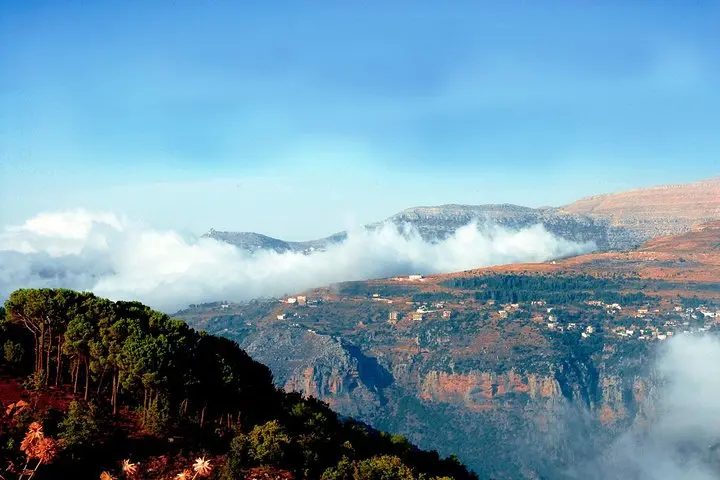
Morning light cuts across Lebanon’s western slope as the minivan peels away from Beirut and climbs toward limestone cliffs: the Qadisha Valley opens like a carved artery, and the cedars loom above the pale stone, ancient and upright.
Verified experiences and guided adventures in the surrounding area.
Operated by Lebanon Tours Online · Bcharre, North Governorate
Morning light cuts across Lebanon’s western slope as the minivan peels away from Beirut and climbs toward limestone cliffs: the Qadisha Valley opens like a carved artery, and the cedars loom above the pale stone, ancient and upright.
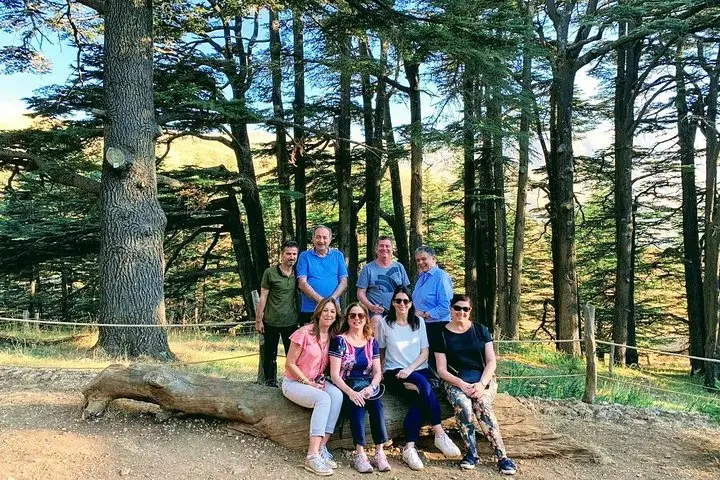
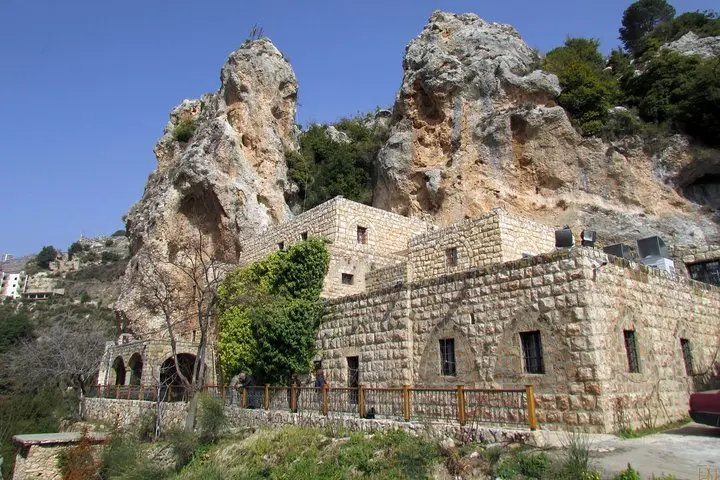
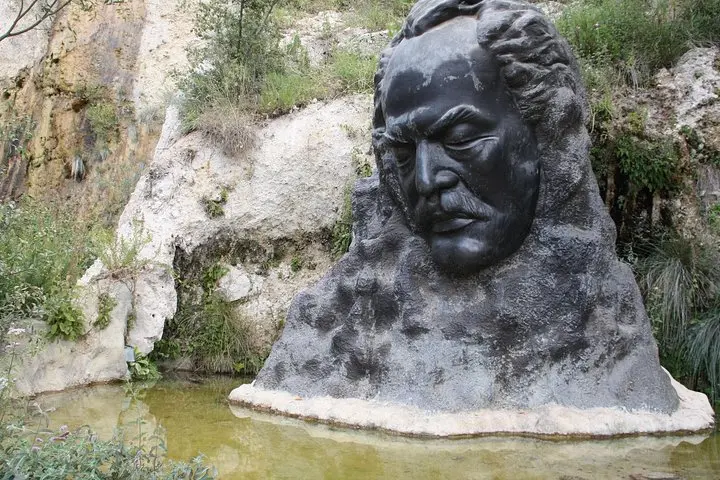
On this full-day route you move through deep gorge country where monks once sought isolation. Qadisha (the Holy Valley) holds monastic caves and terraced olive plots carved into steep beds of karst limestone; the Monastery of Saint Anthony the Great perches at roughly 950m amid pines and oaks. Higher still, the Cedars of God sit near 1,800–2,000m — some of the 375 protected trees are centuries old and long valued for their dense, rot-resistant wood. Bcharre, the valley’s cultural hub and the birthplace of Kahlil Gibran, anchors the day with its compact museum and church-lined streets.
Geology here governs the pace: narrow roads, sudden viewpoints, and talus slopes below sheer walls. Culture follows geology — hermitages tucked in caves, stone chapels, and a living mountain community that remembers timber trade, skiing in winter, and religious pilgrimage.
Practical guidance: the tour runs about eight hours with several short walks (30–45 minute stops), mostly on paved or packed dirt paths and some stone steps; expect light altitude effects at higher stops. Dress modestly for monastery visits, layer for rapid temperature swings, and bring sturdy shoes, water, and a camera. The tour includes hotel pickup, lunch, and admission to the Cedars and Gibran Museum; aim for a weekday morning to avoid weekend crowds and to get the best light in the cedar grove.
Yes — hotel pickup and drop-off in Beirut are included on the booking, with exact pickup points confirmed after reservation.
Expect several short walks (30–45 minutes) at sites like the Cedars and monastery viewpoints; terrain is mostly easy but includes steps and uneven ground.
Yes — the tour price includes admission to the Cedars and Gibran Museum, plus a Lebanese lunch served during the itinerary.
Generally yes—it's rated easy and suitable for most ages, but those with mobility issues should note there are uneven paths and steps at some sites.
Lebanon Tours Online operates guided outdoor trips and adventures with an emphasis on safety, stewardship, and memorable experiences.
Morning light cuts across Lebanon’s western slope as the minivan peels away from Beirut and climbs toward limestone cliffs: the Qadisha Valley opens like a carved artery, and the cedars loom above the pale stone, ancient and upright.
Morning light cuts across Lebanon’s western slope as the minivan peels away from Beirut and climbs toward limestone cliffs: the Qadisha Valley opens like a carved artery, and the cedars loom above the pale stone, ancient and upright.
On this full-day route you move through deep gorge country where monks once sought isolation. Qadisha (the Holy Valley) holds monastic caves and terraced olive plots carved into steep beds of karst limestone; the Monastery of Saint Anthony the Great perches at roughly 950m amid pines and oaks. Higher still, the Cedars of God sit near 1,800–2,000m — some of the 375 protected trees are centuries old and long valued for their dense, rot-resistant wood. Bcharre, the valley’s cultural hub and the birthplace of Kahlil Gibran, anchors the day with its compact museum and church-lined streets.
Geology here governs the pace: narrow roads, sudden viewpoints, and talus slopes below sheer walls. Culture follows geology — hermitages tucked in caves, stone chapels, and a living mountain community that remembers timber trade, skiing in winter, and religious pilgrimage.
Practical guidance: the tour runs about eight hours with several short walks (30–45 minute stops), mostly on paved or packed dirt paths and some stone steps; expect light altitude effects at higher stops. Dress modestly for monastery visits, layer for rapid temperature swings, and bring sturdy shoes, water, and a camera. The tour includes hotel pickup, lunch, and admission to the Cedars and Gibran Museum; aim for a weekday morning to avoid weekend crowds and to get the best light in the cedar grove.