THE ADVENTURE COLLECTIVE® · Independent discovery and booking for outdoor travel

A full-day circuit from Beirut that pairs the spiritual quiet of Qadisha Valley and ancient Cedars with the monumental Roman temples of Baalbek. Expect short walks, dramatic geology, and deep historical layers across one of Lebanon’s most compelling cultural landscapes.
A full-day circuit from Beirut that pairs the spiritual quiet of Qadisha Valley and ancient Cedars with the monumental Roman temples of Baalbek. Expect short walks, dramatic geology, and deep historical layers across one of Lebanon’s most compelling cultural landscapes.
You drive north from Beirut as mountain air sharpens and the road climbs into limestone ridges. The Qadisha River dares you closer to cliffside hermitages where centuries of monks have carved their silence into the rock; farther up, the Cedars of God lift trunks like old guardians, their resin scent cutting through the cold.
Verified experiences and guided adventures in the surrounding area.
Operated by Beirut Daily Tours · Bcharre, North Governorate
You drive north from Beirut as mountain air sharpens and the road climbs into limestone ridges. The Qadisha River dares you closer to cliffside hermitages where centuries of monks have carved their silence into the rock; farther up, the Cedars of God lift trunks like old guardians, their resin scent cutting through the cold.
This route layers history and geology: deep karst valleys carved by snowmelt, firmer limestone plateaus that held Roman engineers who hauled colossal stones to Baalbek, and a cultural thread tying Phoenician, Roman and Christian traditions together. Bcharre’s red-tiled houses and the Gibran Museum recall modern Lebanese culture, while the Cedars — some specimens aged millennia — anchor national identity.
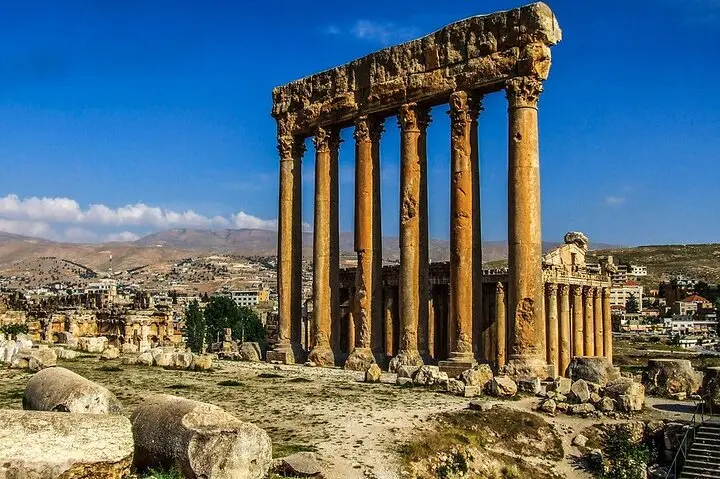
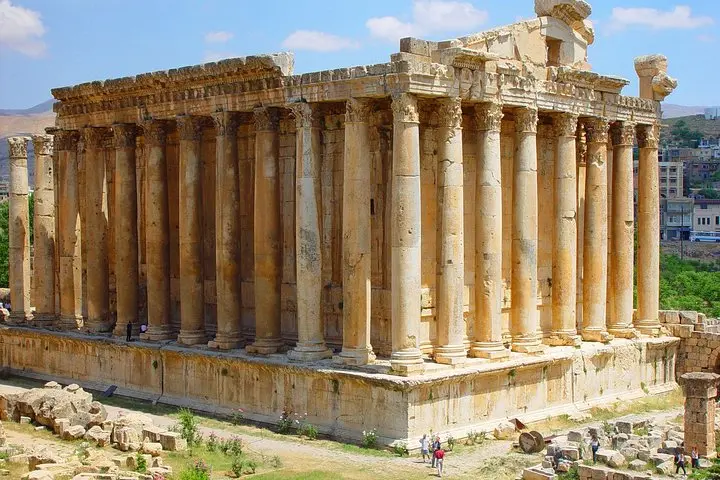
Expect a mix of short walks and viewpoints rather than long technical hikes: carved stairways, gravel paths, and a few uneven sections around monasteries and temple ruins. Baalbek’s temple complex rewards patience — massive columns and detailed reliefs that make the scale of Roman ambition obvious.
Practical guidance: set aside about eight hours, start early to avoid heat at Baalbek and crowds, carry 1.5–2L water, and use layered clothing for rapidly changing mountain conditions. Wear sturdy shoes with grip for uneven terrain and prepare small local-currency bills for site fees, cafés, and tips. Respect active religious sites, keep to marked paths to protect fragile cedar seedlings, and allow time to absorb — these places reveal themselves slowly, if you let them.
Expect roughly 2–2.5 hours one-way to Bcharre/Cedars depending on traffic; Baalbek is another 45–60 minutes from the Cedars by road.
This tour’s itinerary indicates Baalbek admission may not be included—bring cash for site tickets and optional local guides.
Short walks are accessible for most children and those with moderate mobility, but some areas have stairs and uneven surfaces; inquire about specific access needs when booking.
Yes, but the pace is steady; the route is designed for a full-day private tour with short stops at Bcharre, Cedars and extended time at Baalbek.
Beirut Daily Tours operates guided outdoor trips and adventures with an emphasis on safety, stewardship, and memorable experiences.
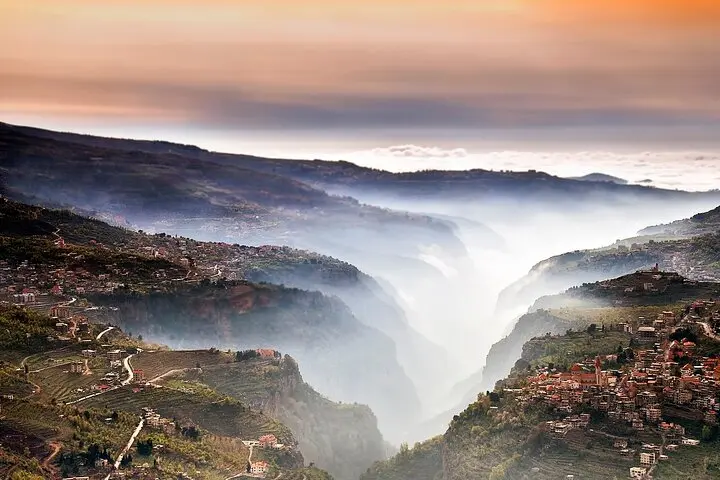
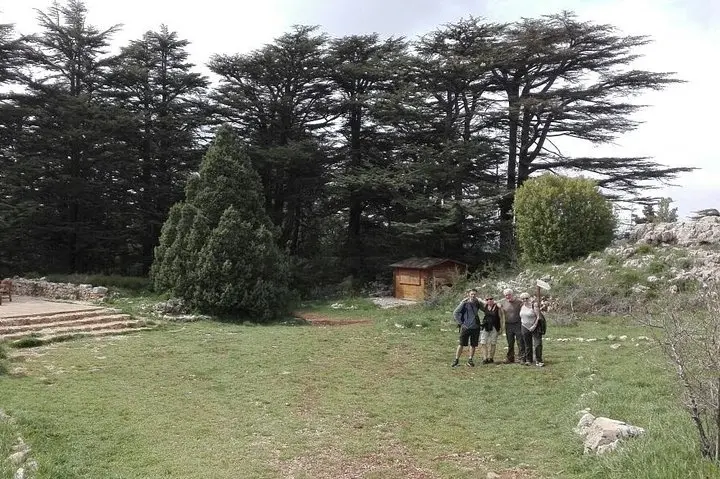
You drive north from Beirut as mountain air sharpens and the road climbs into limestone ridges. The Qadisha River dares you closer to cliffside hermitages where centuries of monks have carved their silence into the rock; farther up, the Cedars of God lift trunks like old guardians, their resin scent cutting through the cold.
You drive north from Beirut as mountain air sharpens and the road climbs into limestone ridges. The Qadisha River dares you closer to cliffside hermitages where centuries of monks have carved their silence into the rock; farther up, the Cedars of God lift trunks like old guardians, their resin scent cutting through the cold.
This route layers history and geology: deep karst valleys carved by snowmelt, firmer limestone plateaus that held Roman engineers who hauled colossal stones to Baalbek, and a cultural thread tying Phoenician, Roman and Christian traditions together. Bcharre’s red-tiled houses and the Gibran Museum recall modern Lebanese culture, while the Cedars — some specimens aged millennia — anchor national identity.
Expect a mix of short walks and viewpoints rather than long technical hikes: carved stairways, gravel paths, and a few uneven sections around monasteries and temple ruins. Baalbek’s temple complex rewards patience — massive columns and detailed reliefs that make the scale of Roman ambition obvious.
Practical guidance: set aside about eight hours, start early to avoid heat at Baalbek and crowds, carry 1.5–2L water, and use layered clothing for rapidly changing mountain conditions. Wear sturdy shoes with grip for uneven terrain and prepare small local-currency bills for site fees, cafés, and tips. Respect active religious sites, keep to marked paths to protect fragile cedar seedlings, and allow time to absorb — these places reveal themselves slowly, if you let them.