THE ADVENTURE COLLECTIVE® · Independent discovery and booking for outdoor travel

Spend a full day moving from Beirut into the limestone canyons and high cedar groves of northern Lebanon. Explore ancient monasteries in Qadisha Valley, visit the Gibran Museum in Bcharre, and walk among the last original Cedars of God.
Spend a full day moving from Beirut into the limestone canyons and high cedar groves of northern Lebanon. Explore ancient monasteries in Qadisha Valley, visit the Gibran Museum in Bcharre, and walk among the last original Cedars of God.
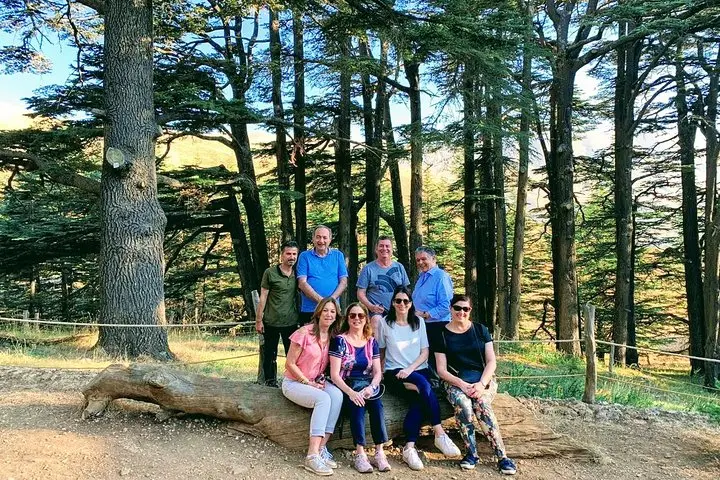
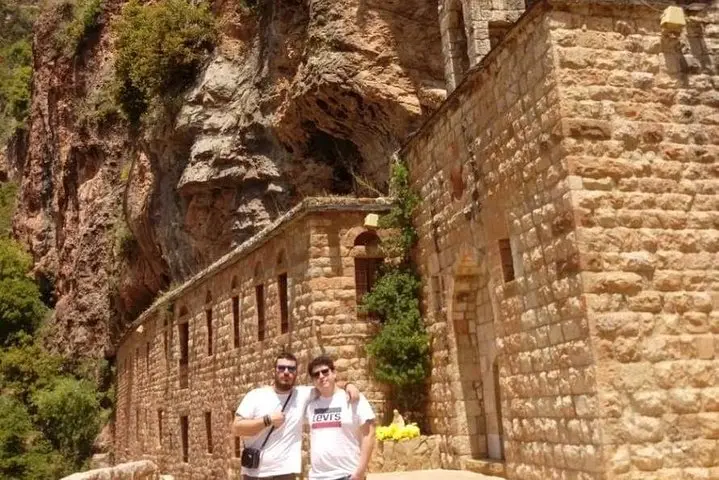
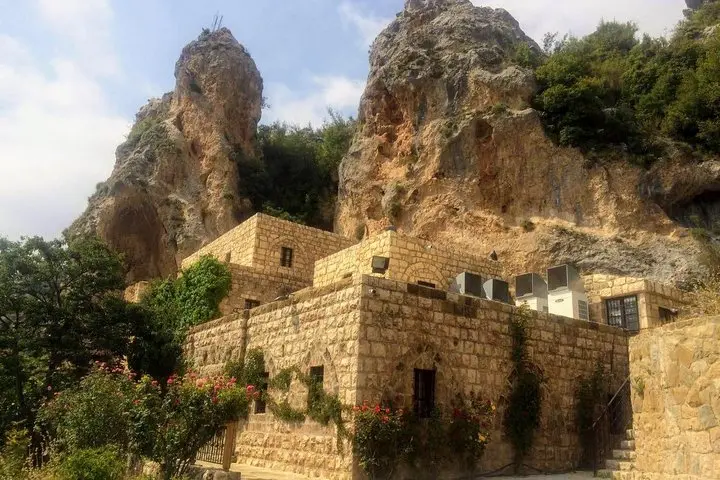
Morning light slides over sharp limestone cliffs as the road climbs out of Beirut toward the high plateaus of northern Lebanon. On a private full‑day trip you trade city heat for thin air, winding through the carved gorge of the Qadisha Valley, stepping into centuries‑old monasteries, and walking beneath the stubborn crowns of the Cedars of God. The valley’s cliffs are steeper than they look from the road; terraces and caves hold the echoes of hermit life while olive and oak cling to narrow ledges.
Verified experiences and guided adventures in the surrounding area.
Operated by Lebanon Tours & travels · Bcharre, North Governorate
Morning light slides over sharp limestone cliffs as the road climbs out of Beirut toward the high plateaus of northern Lebanon. On a private full‑day trip you trade city heat for thin air, winding through the carved gorge of the Qadisha Valley, stepping into centuries‑old monasteries, and walking beneath the stubborn crowns of the Cedars of God. The valley’s cliffs are steeper than they look from the road; terraces and caves hold the echoes of hermit life while olive and oak cling to narrow ledges.
Qadisha (Kadisha) has been home to Christian monasticism since late antiquity; many of its monasteries and cave cells date back to the early Middle Ages. Geologically the valley is a limestone gorge cut by rivers and rain, its steep walls exposing bedding planes and karst features. Bcharre, the nearby mountain town, is the birthplace of Kahlil Gibran and the gateway to the small cedar reserve that preserves roughly 375 ancient trees once prized for shipbuilding and temple beams—and now a national symbol.
Expect a mix of short walks, museum time, and light hiking on gravel and dirt tracks with modest elevation changes; total outing time is a full day (about eight hours) with mountain weather that shifts quickly. Practical pointers: start early from Beirut to avoid afternoon clouds, carry 1–2 liters of water, wear sturdy shoes and layers, and leave space in your schedule for the Gibran Museum and monastery visits. Respect posted boundaries in the cedar grove—these are living relics under protection.
Expect roughly 2–3 hours each way depending on traffic and route; this is a full‑day outing requiring an early start.
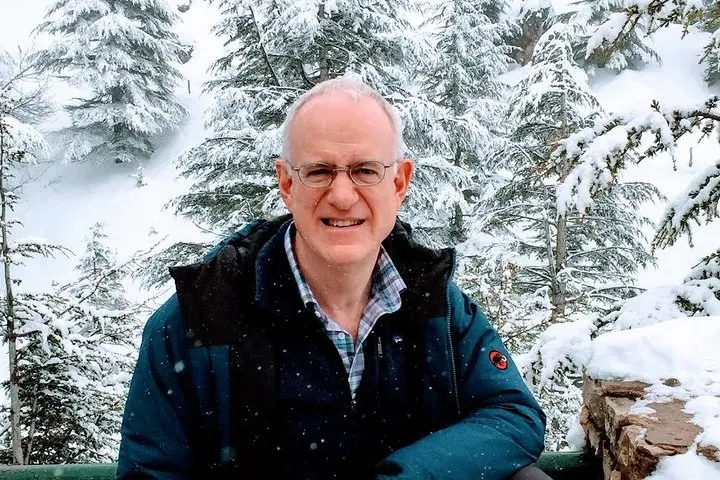
Yes, but access and conditions vary by season—winter brings snow and possible limited access, while summer is dry and accessible.
Walks are generally short to moderate on uneven terrain; most sections are suitable for average fitness and do not require technical skills.
Yes; the Gibran Museum charges entry and has set hours—check local opening times. Monasteries welcome visitors but observe quiet and dress codes.
Lebanon Tours & travels operates guided outdoor trips and adventures with an emphasis on safety, stewardship, and memorable experiences.
Morning light slides over sharp limestone cliffs as the road climbs out of Beirut toward the high plateaus of northern Lebanon. On a private full‑day trip you trade city heat for thin air, winding through the carved gorge of the Qadisha Valley, stepping into centuries‑old monasteries, and walking beneath the stubborn crowns of the Cedars of God. The valley’s cliffs are steeper than they look from the road; terraces and caves hold the echoes of hermit life while olive and oak cling to narrow ledges.
Morning light slides over sharp limestone cliffs as the road climbs out of Beirut toward the high plateaus of northern Lebanon. On a private full‑day trip you trade city heat for thin air, winding through the carved gorge of the Qadisha Valley, stepping into centuries‑old monasteries, and walking beneath the stubborn crowns of the Cedars of God. The valley’s cliffs are steeper than they look from the road; terraces and caves hold the echoes of hermit life while olive and oak cling to narrow ledges.
Qadisha (Kadisha) has been home to Christian monasticism since late antiquity; many of its monasteries and cave cells date back to the early Middle Ages. Geologically the valley is a limestone gorge cut by rivers and rain, its steep walls exposing bedding planes and karst features. Bcharre, the nearby mountain town, is the birthplace of Kahlil Gibran and the gateway to the small cedar reserve that preserves roughly 375 ancient trees once prized for shipbuilding and temple beams—and now a national symbol.
Expect a mix of short walks, museum time, and light hiking on gravel and dirt tracks with modest elevation changes; total outing time is a full day (about eight hours) with mountain weather that shifts quickly. Practical pointers: start early from Beirut to avoid afternoon clouds, carry 1–2 liters of water, wear sturdy shoes and layers, and leave space in your schedule for the Gibran Museum and monastery visits. Respect posted boundaries in the cedar grove—these are living relics under protection.