THE ADVENTURE COLLECTIVE® · Independent discovery and booking for outdoor travel

Explore Qasr al Hosn—the stone fort at the heart of Abu Dhabi’s origin story. This one-hour visit combines compact architecture, interactive Emirati culture, and curated exhibits that map the city’s evolution.
Explore Qasr al Hosn—the stone fort at the heart of Abu Dhabi’s origin story. This one-hour visit combines compact architecture, interactive Emirati culture, and curated exhibits that map the city’s evolution.
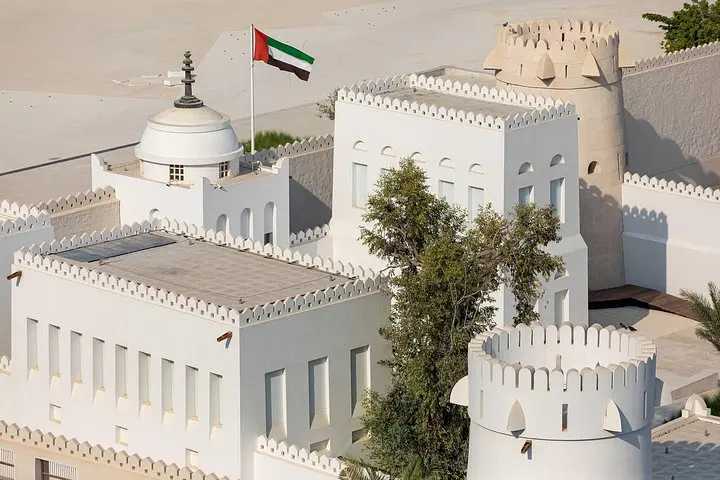
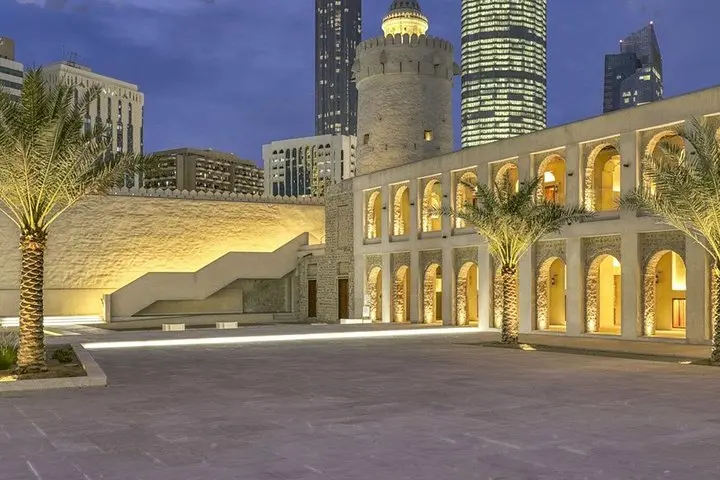
You step from the broad avenue into a square where sun-heated stone meets the brief shadow of a double-towered watchtower. The fort—whitewashed, compact, and purposeful—tells a visible story: a waterfront settlement that became a seat of authority. Voices from an audio guide mix with the murmur of school groups and the steady thump of boots on the stone floor.
Verified experiences and guided adventures in the surrounding area.
Operated by holidayys.ae · Abu Dhabi, Abu Dhabi
You step from the broad avenue into a square where sun-heated stone meets the brief shadow of a double-towered watchtower. The fort—whitewashed, compact, and purposeful—tells a visible story: a waterfront settlement that became a seat of authority. Voices from an audio guide mix with the murmur of school groups and the steady thump of boots on the stone floor.
Qasr al Hosn began as an 18th-century watchtower protecting a freshwater well; over two centuries it expanded into the stone fort that anchored Abu Dhabi’s ruling family. The island’s geology—shallow coastal limestone and sabkha—dictated building materials: coral stone, gypsum plaster and lime gave the fort its durable, pale surfaces. Exhibitions inside trace the emirate’s move from pearling and date cultivation to oil-driven urban growth; galleries display traditional garments, maps, and objects used by the former ruling household. Local culture is present in live performances and hands-on workshops that demonstrate calligraphy, weaving and pearl-diving history.
For practical planning: the standard visit runs about 60 minutes, mostly on paved pathways and stairs; it’s suitable for virtually all fitness levels. Peak sun and higher crowds come in late morning—early morning or late afternoon visits are cooler and quieter. Bring sun protection, stay hydrated, and allow extra time for special exhibits or workshops if scheduled. Photography is welcome in most public areas but observe signage in conserved rooms. The site balances accessible interpretation with careful conservation: stick to designated routes and treat artifacts and performances with respect.
The standard entrance ticket covers about 60 minutes, though you may spend longer if you attend workshops or exhibitions.
Mobile or paper tickets are accepted and advance booking is available; at peak times booking ahead avoids queues.
Many public areas and ground-floor exhibitions are accessible, but older sections include stairs; check on-site for specific accessibility routes.
Photography is generally allowed in public galleries and courtyards, but follow signage and staff instructions in conserved rooms and special exhibits.
holidayys.ae operates guided outdoor trips and adventures with an emphasis on safety, stewardship, and memorable experiences.

You step from the broad avenue into a square where sun-heated stone meets the brief shadow of a double-towered watchtower. The fort—whitewashed, compact, and purposeful—tells a visible story: a waterfront settlement that became a seat of authority. Voices from an audio guide mix with the murmur of school groups and the steady thump of boots on the stone floor.
You step from the broad avenue into a square where sun-heated stone meets the brief shadow of a double-towered watchtower. The fort—whitewashed, compact, and purposeful—tells a visible story: a waterfront settlement that became a seat of authority. Voices from an audio guide mix with the murmur of school groups and the steady thump of boots on the stone floor.
Qasr al Hosn began as an 18th-century watchtower protecting a freshwater well; over two centuries it expanded into the stone fort that anchored Abu Dhabi’s ruling family. The island’s geology—shallow coastal limestone and sabkha—dictated building materials: coral stone, gypsum plaster and lime gave the fort its durable, pale surfaces. Exhibitions inside trace the emirate’s move from pearling and date cultivation to oil-driven urban growth; galleries display traditional garments, maps, and objects used by the former ruling household. Local culture is present in live performances and hands-on workshops that demonstrate calligraphy, weaving and pearl-diving history.
For practical planning: the standard visit runs about 60 minutes, mostly on paved pathways and stairs; it’s suitable for virtually all fitness levels. Peak sun and higher crowds come in late morning—early morning or late afternoon visits are cooler and quieter. Bring sun protection, stay hydrated, and allow extra time for special exhibits or workshops if scheduled. Photography is welcome in most public areas but observe signage in conserved rooms. The site balances accessible interpretation with careful conservation: stick to designated routes and treat artifacts and performances with respect.