THE ADVENTURE COLLECTIVE® · Independent discovery and booking for outdoor travel

A compact half-day drive from Doha along Qatar’s northern coast, this tour connects the UNESCO-protected Al Zubara Fort with the raw shoreline of Ruwais and the fishing port of Al Khor. Expect short, uneven walks, strong coastal light and a striking contrast between archaeological ruins and contemporary desert art.
A compact half-day drive from Doha along Qatar’s northern coast, this tour connects the UNESCO-protected Al Zubara Fort with the raw shoreline of Ruwais and the fishing port of Al Khor. Expect short, uneven walks, strong coastal light and a striking contrast between archaeological ruins and contemporary desert art.
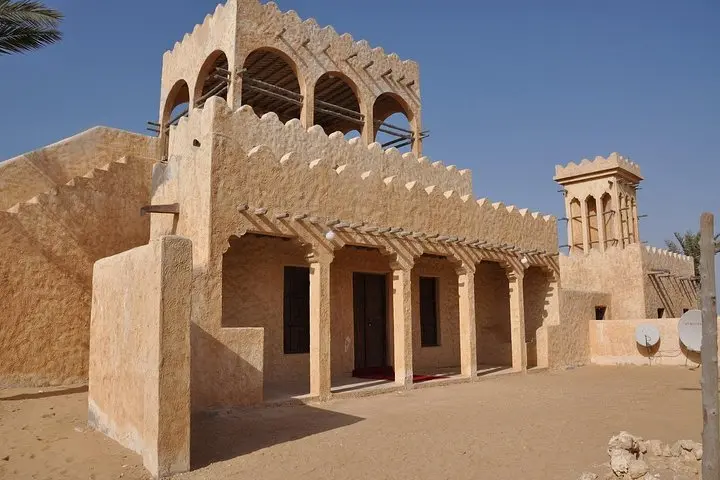
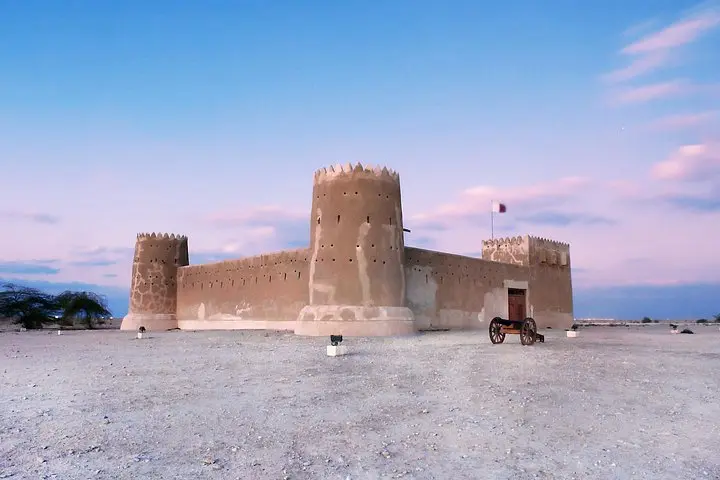
You leave Doha’s glass skyline behind and the land opens into a flat, wind-sculpted plain where salt flats meet a cobalt sea. The road north traces a coastline that alternates between low dunes and rocky outcrops; the air tastes faintly of brine and diesel from passing dhows. At Al Zubara Fort the ramparts rise from pale stones—an unexpectedly robust silhouette against an austere desert horizon.
Verified experiences and guided adventures in the surrounding area.
Operated by Travel Designer WLL · Doha, Doha
You leave Doha’s glass skyline behind and the land opens into a flat, wind-sculpted plain where salt flats meet a cobalt sea. The road north traces a coastline that alternates between low dunes and rocky outcrops; the air tastes faintly of brine and diesel from passing dhows. At Al Zubara Fort the ramparts rise from pale stones—an unexpectedly robust silhouette against an austere desert horizon.
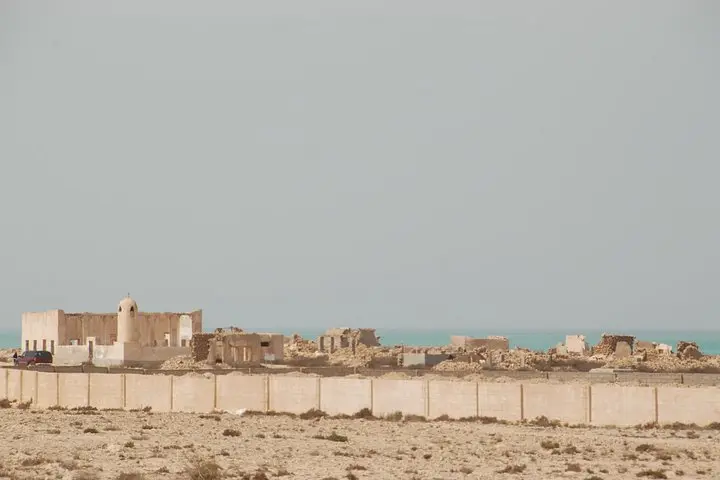
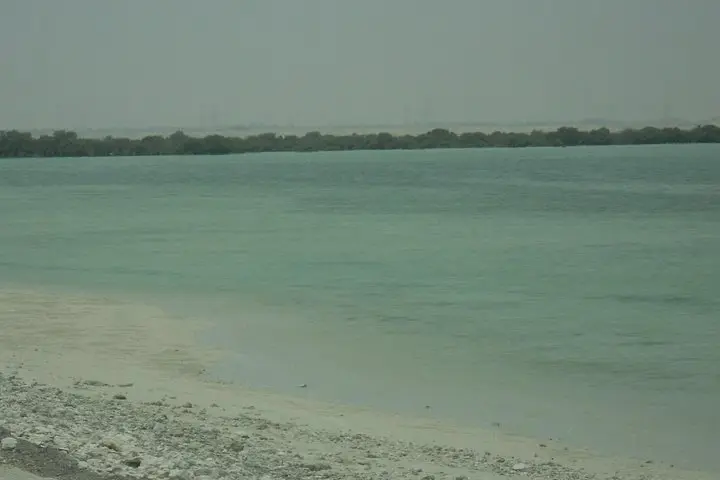
Al Zubara began as a bustling pearling and trading port in the 18th–19th centuries; today its exposed foundations and ruined streets map a vanished economy. Geologically the area is driven by carbonate bedrock, wind-blown sands and coastal sabkha that preserve shells and pottery in the compact soil. A short drive past the fort brings you to Ruwais and the northern tip’s raw shorelines, then to Al Khor, a working seaport where fishing boats and mangrove channels anchor local life. The tour often includes a stop at a contemporary desert artwork by Olafur Eliasson—an intentional contrast between human gesture and wide-open desert.
Practical guidance: this is a four-hour, low-impact tour with short walks on uneven ground—expect sandy patches and loose stone at archaeological sites. Wear sturdy shoes, sun protection and bring water; mornings and late afternoons are far cooler than midday. The operator provides an air-conditioned vehicle; carry modest clothing for local cultural norms and keep to marked paths at Al Zubara to protect fragile archaeological deposits. Photography is welcome but avoid climbing walls or disturbing artifacts. For a compact taste of Qatar’s northern coastline, history and coastal ecology, this route delivers clear views, tangible history and a reminder of how the sea shaped local life.
Pick-up and drop-off are arranged from a central meeting point or your Doha hotel; confirm exact pickup details with the operator when booking.
Admission is typically not included—check the booking details or bring cash/card for site entry if required by the operator.
The tour is family-friendly but involves uneven ground; it’s not recommended for travelers with serious spinal issues or those who cannot walk short distances on loose terrain.
Restroom access is available at the vehicle and select stops, but facilities at archaeological and coastal sites are basic—plan accordingly.
Travel Designer WLL operates guided outdoor trips and adventures with an emphasis on safety, stewardship, and memorable experiences.
You leave Doha’s glass skyline behind and the land opens into a flat, wind-sculpted plain where salt flats meet a cobalt sea. The road north traces a coastline that alternates between low dunes and rocky outcrops; the air tastes faintly of brine and diesel from passing dhows. At Al Zubara Fort the ramparts rise from pale stones—an unexpectedly robust silhouette against an austere desert horizon.
You leave Doha’s glass skyline behind and the land opens into a flat, wind-sculpted plain where salt flats meet a cobalt sea. The road north traces a coastline that alternates between low dunes and rocky outcrops; the air tastes faintly of brine and diesel from passing dhows. At Al Zubara Fort the ramparts rise from pale stones—an unexpectedly robust silhouette against an austere desert horizon.
Al Zubara began as a bustling pearling and trading port in the 18th–19th centuries; today its exposed foundations and ruined streets map a vanished economy. Geologically the area is driven by carbonate bedrock, wind-blown sands and coastal sabkha that preserve shells and pottery in the compact soil. A short drive past the fort brings you to Ruwais and the northern tip’s raw shorelines, then to Al Khor, a working seaport where fishing boats and mangrove channels anchor local life. The tour often includes a stop at a contemporary desert artwork by Olafur Eliasson—an intentional contrast between human gesture and wide-open desert.
Practical guidance: this is a four-hour, low-impact tour with short walks on uneven ground—expect sandy patches and loose stone at archaeological sites. Wear sturdy shoes, sun protection and bring water; mornings and late afternoons are far cooler than midday. The operator provides an air-conditioned vehicle; carry modest clothing for local cultural norms and keep to marked paths at Al Zubara to protect fragile archaeological deposits. Photography is welcome but avoid climbing walls or disturbing artifacts. For a compact taste of Qatar’s northern coastline, history and coastal ecology, this route delivers clear views, tangible history and a reminder of how the sea shaped local life.