THE ADVENTURE COLLECTIVE® · Independent discovery and booking for outdoor travel

Explore Qatar’s northern coast and western desert in a private full‑day tour that links Al Khor’s fishing heritage, the mangroves and Purple Island, UNESCO‑listed Al Zubarah, and the surreal rocks of Zekreet. Expect short walks, coastal vistas, and archaeology set against sweeping desert light.
Explore Qatar’s northern coast and western desert in a private full‑day tour that links Al Khor’s fishing heritage, the mangroves and Purple Island, UNESCO‑listed Al Zubarah, and the surreal rocks of Zekreet. Expect short walks, coastal vistas, and archaeology set against sweeping desert light.
A morning breeze off the Gulf lifts the heat from Doha as the vehicle heads north, palms sliding by then falling away to low scrub and white sand. The tour unwraps in scenes: a working harbor where old boats lean to the tide, a ribbon of mangroves holding back the sea, and the flat line of the western desert punctuated by limestone outcrops.
Verified experiences and guided adventures in the surrounding area.
Operated by Al Annabi Tourism · Doha, Doha
A morning breeze off the Gulf lifts the heat from Doha as the vehicle heads north, palms sliding by then falling away to low scrub and white sand. The tour unwraps in scenes: a working harbor where old boats lean to the tide, a ribbon of mangroves holding back the sea, and the flat line of the western desert punctuated by limestone outcrops.
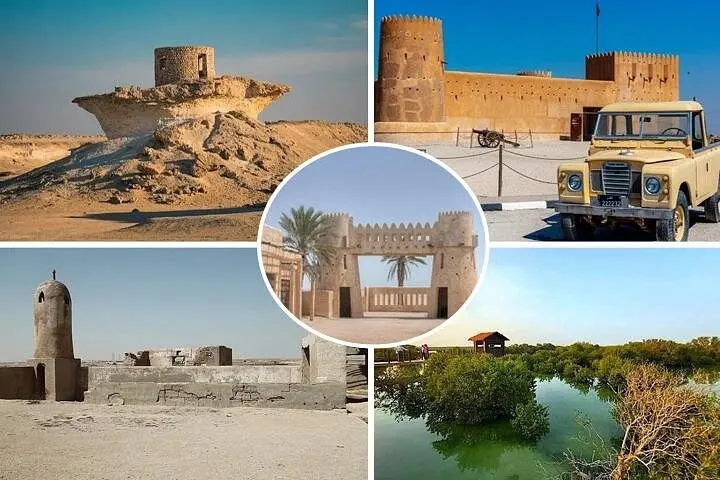
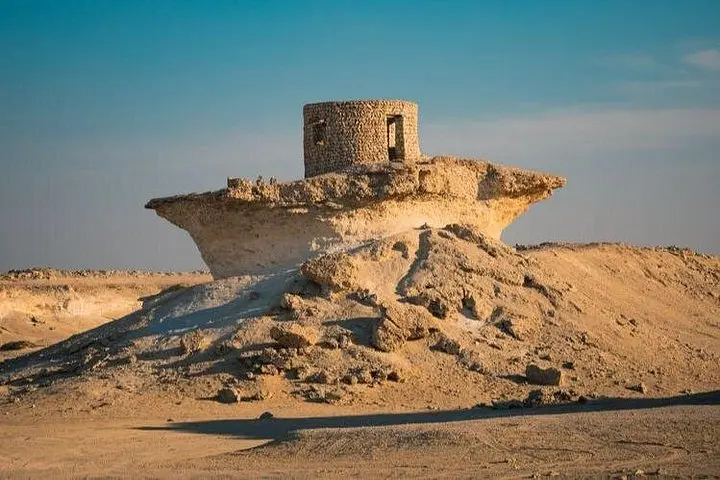
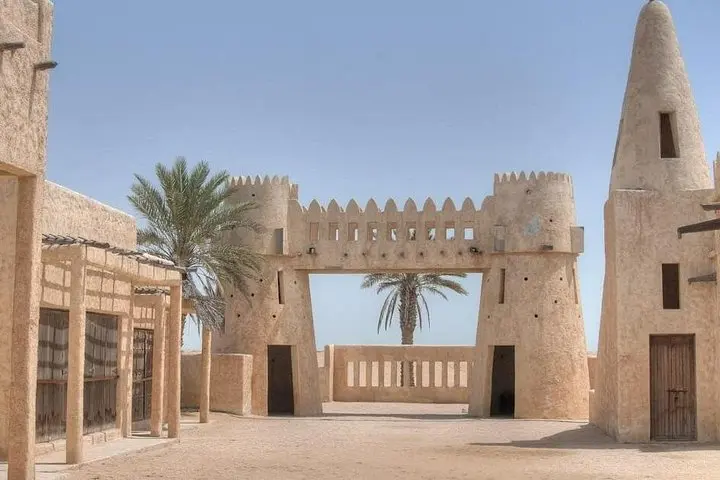
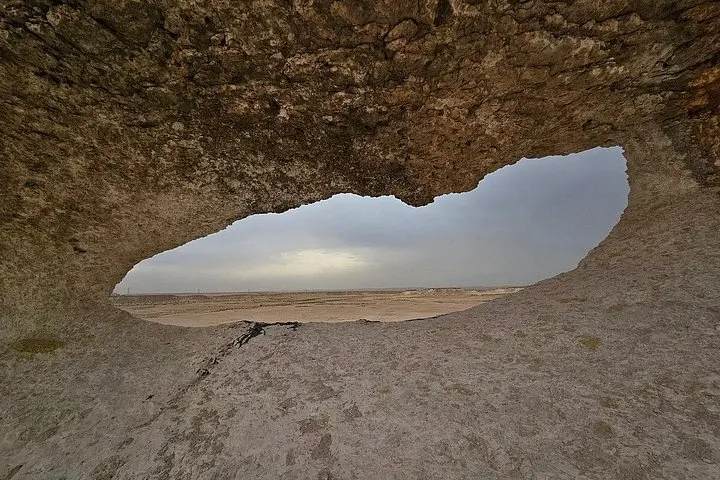
History sits on the shoreline here—pearling stations and trading towns that linked the Gulf across centuries. Al Zubarah Fort and its surrounding archaeological town recall an 18th–19th century coastal economy built on pearl fishing and trade; its ruined streets and date presses map a different Qatar from the skyline back in Doha. Geology is visible in the west: weathered limestone, wind-sculpted ridges and the umbrella-shaped rocks at Zekreet that make a sharp counterpoint to soft dunes. Culture threads through the day in small villages, traditional houses, and the roadside practice of camel racing; on clear days the mainland narrows and even Bahrain can be seen offshore.
Practical guidance: expect light walking on uneven ground, stretches of driving, and strong sun. Bring sun protection, plenty of water, and shoes that handle sand and rock. Plan for photographic stops at mangroves, Purple Island’s tidal channels, Al Zubarah’s ruins, and the sculptural steel of Richard Serra on the Zekreet peninsula. Timing matters—early morning or late afternoon light flatters the desert forms and brings cooler air. Respect fenced archaeological areas and the mangrove habitat: stay on paths, avoid litter, and follow your guide’s directions.
The tour lasts about 6–8 hours; most departures are morning to allow cooler travel and optimal light for sites and photography.
Walking is light to moderate: short walks at each stop (mangroves, fort, viewpoints) but mostly seated travel between sites.
Admission specifics vary by operator; confirm at booking—this tour lists some admissions as included and others not, so check the product page or ask your guide.
Yes—mangroves attract shorebirds and marine life; sightings often include wading birds and coastal seabirds, especially in cooler months.
Al Annabi Tourism operates guided outdoor trips and adventures with an emphasis on safety, stewardship, and memorable experiences.
A morning breeze off the Gulf lifts the heat from Doha as the vehicle heads north, palms sliding by then falling away to low scrub and white sand. The tour unwraps in scenes: a working harbor where old boats lean to the tide, a ribbon of mangroves holding back the sea, and the flat line of the western desert punctuated by limestone outcrops.
A morning breeze off the Gulf lifts the heat from Doha as the vehicle heads north, palms sliding by then falling away to low scrub and white sand. The tour unwraps in scenes: a working harbor where old boats lean to the tide, a ribbon of mangroves holding back the sea, and the flat line of the western desert punctuated by limestone outcrops.
History sits on the shoreline here—pearling stations and trading towns that linked the Gulf across centuries. Al Zubarah Fort and its surrounding archaeological town recall an 18th–19th century coastal economy built on pearl fishing and trade; its ruined streets and date presses map a different Qatar from the skyline back in Doha. Geology is visible in the west: weathered limestone, wind-sculpted ridges and the umbrella-shaped rocks at Zekreet that make a sharp counterpoint to soft dunes. Culture threads through the day in small villages, traditional houses, and the roadside practice of camel racing; on clear days the mainland narrows and even Bahrain can be seen offshore.
Practical guidance: expect light walking on uneven ground, stretches of driving, and strong sun. Bring sun protection, plenty of water, and shoes that handle sand and rock. Plan for photographic stops at mangroves, Purple Island’s tidal channels, Al Zubarah’s ruins, and the sculptural steel of Richard Serra on the Zekreet peninsula. Timing matters—early morning or late afternoon light flatters the desert forms and brings cooler air. Respect fenced archaeological areas and the mangrove habitat: stay on paths, avoid litter, and follow your guide’s directions.