THE ADVENTURE COLLECTIVE® · Independent discovery and booking for outdoor travel

Explore Qatar’s west coast on a private 3–4 hour loop from Doha that pairs Zekreet Fort and wind‑sculpted mushroom rocks with Richard Serra’s East‑West/West‑East installation. Expect short walks, coastal views, and camel‑racing culture in an austere desert setting.
Explore Qatar’s west coast on a private 3–4 hour loop from Doha that pairs Zekreet Fort and wind‑sculpted mushroom rocks with Richard Serra’s East‑West/West‑East installation. Expect short walks, coastal views, and camel‑racing culture in an austere desert setting.
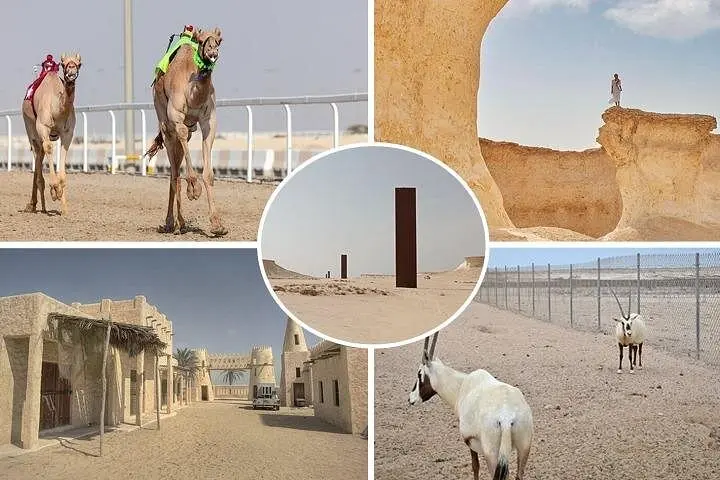
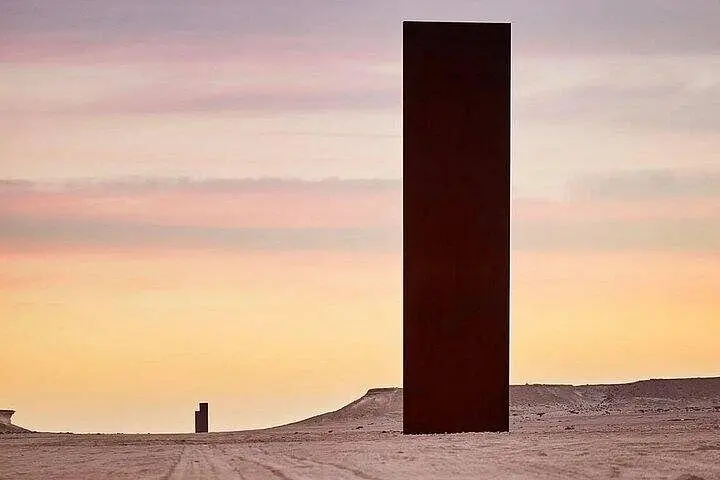
You step out of the air-conditioned vehicle into a wind that seems to push stories across the low desert—salt on the air, a wide pale sky, and rock forms that look like they've been carved by patient giants. The Zekreet Peninsula spreads west of Doha, where mushroom‑shaped rocks lean over scrub and the Richard Serra steel plates of East‑West/West‑East puncture the horizon like a modern ruin.
Verified experiences and guided adventures in the surrounding area.
Operated by Al Annabi Tourism · Zekreet, Al Rayyan
You step out of the air-conditioned vehicle into a wind that seems to push stories across the low desert—salt on the air, a wide pale sky, and rock forms that look like they've been carved by patient giants. The Zekreet Peninsula spreads west of Doha, where mushroom‑shaped rocks lean over scrub and the Richard Serra steel plates of East‑West/West‑East puncture the horizon like a modern ruin.
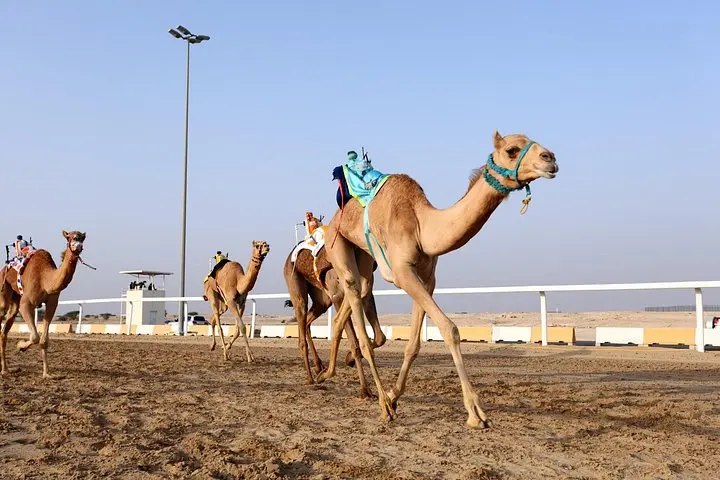
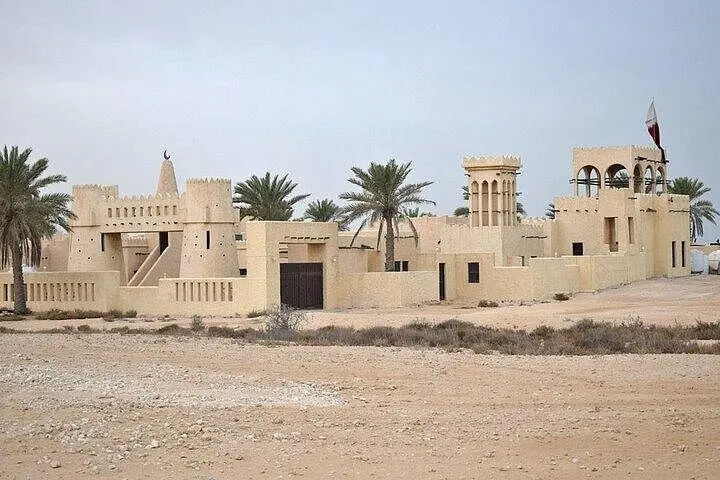
This short private tour stitches together local history and stark coastal geology. Zekreet Fort, originally built from faroush (beach rock), marks traditional defense and settlement patterns on Qatar’s western shore. Nearby, the mushroom rocks and corrugated limestone reveal millennia of wind and wave erosion; the Serra installation intentionally engages that openness, asking viewers to move through and judge scale for themselves. On clear days the Arabian Gulf glitters below the cliffs and, farther inland, camel racing culture and training grounds—still central to Qatari sport—give a sense of living tradition.
Practically, expect 3–4 hours of mostly vehicle travel with multiple short stops for walking and photography. Wear sturdy shoes for uneven rock surfaces, bring sun protection and at least 1–2 liters of water, and time the visit for morning or late afternoon light to avoid peak heat and to see the sculpture and rocks in strong contrast. Guides will manage pickups in Doha and handle logistics, but the landscape rewards slow observation: scan for wildlife, respect fragile soils, and keep to designated tracks to protect the desert’s thin crust.
The tour runs about 3–4 hours with most time in an air‑conditioned vehicle; expect several 10–20 minute short walks at each stop.
Yes—it's rated easy and suitable for all fitness levels, though sun exposure and loose terrain may be challenging for very young children or those with mobility issues.
Yes; photography is allowed and the sculptures are designed for visitor interaction—respect any guide requests and avoid climbing on fragile features.
You may visit areas used for camel training and could see camels being exercised, but scheduled races occur at Al Shahaniya and are not guaranteed on a short afternoon tour.
Al Annabi Tourism operates guided outdoor trips and adventures with an emphasis on safety, stewardship, and memorable experiences.
You step out of the air-conditioned vehicle into a wind that seems to push stories across the low desert—salt on the air, a wide pale sky, and rock forms that look like they've been carved by patient giants. The Zekreet Peninsula spreads west of Doha, where mushroom‑shaped rocks lean over scrub and the Richard Serra steel plates of East‑West/West‑East puncture the horizon like a modern ruin.
You step out of the air-conditioned vehicle into a wind that seems to push stories across the low desert—salt on the air, a wide pale sky, and rock forms that look like they've been carved by patient giants. The Zekreet Peninsula spreads west of Doha, where mushroom‑shaped rocks lean over scrub and the Richard Serra steel plates of East‑West/West‑East puncture the horizon like a modern ruin.
This short private tour stitches together local history and stark coastal geology. Zekreet Fort, originally built from faroush (beach rock), marks traditional defense and settlement patterns on Qatar’s western shore. Nearby, the mushroom rocks and corrugated limestone reveal millennia of wind and wave erosion; the Serra installation intentionally engages that openness, asking viewers to move through and judge scale for themselves. On clear days the Arabian Gulf glitters below the cliffs and, farther inland, camel racing culture and training grounds—still central to Qatari sport—give a sense of living tradition.
Practically, expect 3–4 hours of mostly vehicle travel with multiple short stops for walking and photography. Wear sturdy shoes for uneven rock surfaces, bring sun protection and at least 1–2 liters of water, and time the visit for morning or late afternoon light to avoid peak heat and to see the sculpture and rocks in strong contrast. Guides will manage pickups in Doha and handle logistics, but the landscape rewards slow observation: scan for wildlife, respect fragile soils, and keep to designated tracks to protect the desert’s thin crust.