THE ADVENTURE COLLECTIVE® · Independent discovery and booking for outdoor travel

Escape Cusco for a full-day journey to Q'eswachaka, the last living Inca suspension bridge rebuilt by community weavers. Expect high Andean lagoons, steep canyon views, and an immersive cultural ceremony honoring Pachamama.
Escape Cusco for a full-day journey to Q'eswachaka, the last living Inca suspension bridge rebuilt by community weavers. Expect high Andean lagoons, steep canyon views, and an immersive cultural ceremony honoring Pachamama.
You step out before sunrise in Cusco, the chill of high-altitude air pressing at your lungs as the van threads down Andean roads. Fields of ichu grass roll by; the quiet is broken only by the occasional shepherd and the river’s distant roar that seems to dare you closer.
Verified experiences and guided adventures in the surrounding area.
Operated by FLY CUSCO Perú Travel Agency · Quehue, Cusco Region
You step out before sunrise in Cusco, the chill of high-altitude air pressing at your lungs as the van threads down Andean roads. Fields of ichu grass roll by; the quiet is broken only by the occasional shepherd and the river’s distant roar that seems to dare you closer.
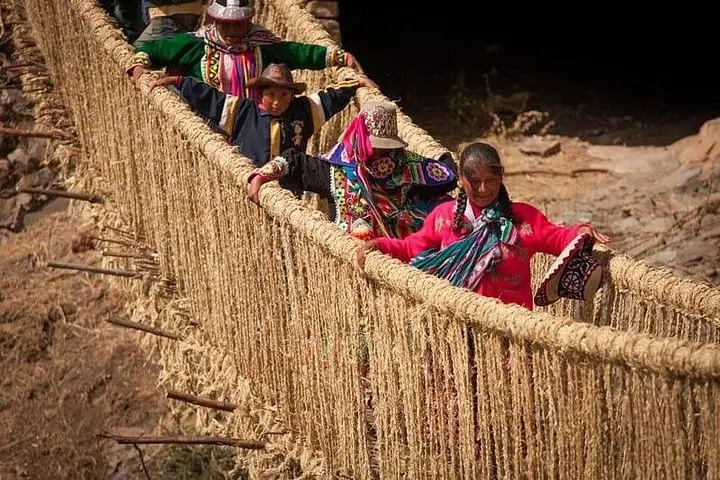
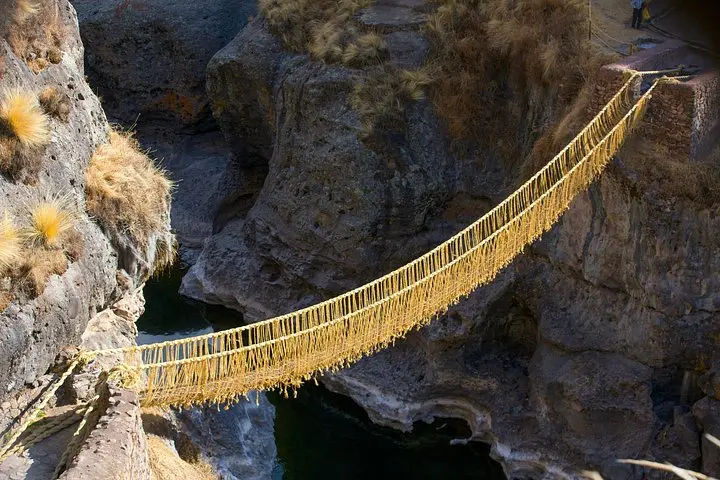
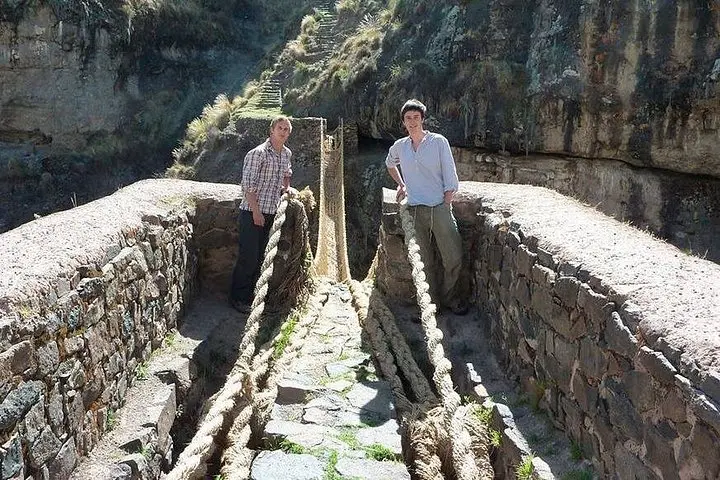
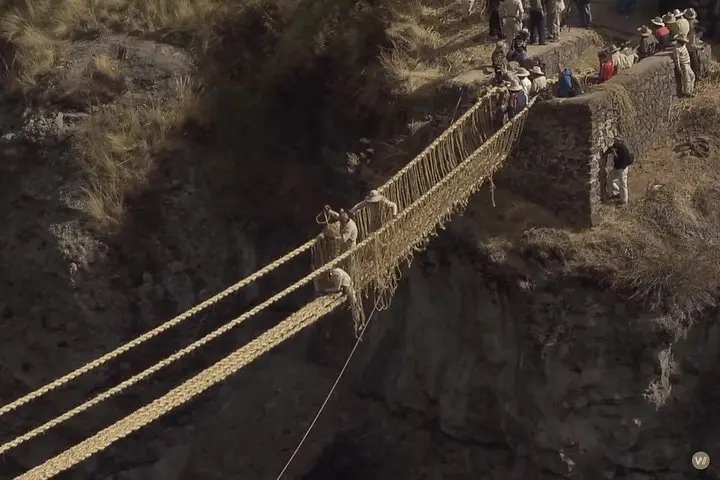
This full-day outing follows centuries-old routes to Q'eswachaka, the living Inca suspension bridge still rebuilt with braided ichu fiber by local communities. The drive moves through high puna, passing four remote Pomacanchis lagoons—small, glassy basins rimmed by peat and wind-sculpted grasses—before descending toward the Apurímac gorge where the bridge spans a river carved into volcanic and sedimentary rock over millennia.
Along the way guides explain Quechua customs, the ritual offering to Pachamama that opens the reweaving, and the communal labor system that preserves this craft. Geologically, the canyon exposes the forces that formed the Andes: folded strata, steep terraces, and fast-flowing mountain water that shaped local agriculture and travel.
Practically: be prepared for short, uneven walks (1–3 km) at altitude and photo stops; expect cold mornings, intense sun midday, and gusty conditions near the gorge. The tour includes breakfast, lunch, bottled water, and hotel pick-up in an air-conditioned vehicle; small groups keep the experience personal but the road is rural and remote.
Bring layered clothing, sun protection, and allow a full day for travel and acclimatization—the bridge is part cultural ceremony, part highland landscape, and wholly a reminder that some traditions still move with the seasons.
Expect roughly 2–3 hours each way with photo stops; road conditions and traffic can extend travel time, making this a full-day outing.
Yes—Q'eswachaka is maintained annually by local communities using traditional techniques; visitors typically cross under guided supervision but should follow local instructions.
Bring small Soles for souvenirs, tips, or local offerings—card facilities are rare in rural villages along the route.
The tour involves short uneven walks and some steps; it’s not recommended for travelers with serious mobility limitations or spinal issues.
FLY CUSCO Perú Travel Agency operates guided outdoor trips and adventures with an emphasis on safety, stewardship, and memorable experiences.
You step out before sunrise in Cusco, the chill of high-altitude air pressing at your lungs as the van threads down Andean roads. Fields of ichu grass roll by; the quiet is broken only by the occasional shepherd and the river’s distant roar that seems to dare you closer.
You step out before sunrise in Cusco, the chill of high-altitude air pressing at your lungs as the van threads down Andean roads. Fields of ichu grass roll by; the quiet is broken only by the occasional shepherd and the river’s distant roar that seems to dare you closer.
This full-day outing follows centuries-old routes to Q'eswachaka, the living Inca suspension bridge still rebuilt with braided ichu fiber by local communities. The drive moves through high puna, passing four remote Pomacanchis lagoons—small, glassy basins rimmed by peat and wind-sculpted grasses—before descending toward the Apurímac gorge where the bridge spans a river carved into volcanic and sedimentary rock over millennia.
Along the way guides explain Quechua customs, the ritual offering to Pachamama that opens the reweaving, and the communal labor system that preserves this craft. Geologically, the canyon exposes the forces that formed the Andes: folded strata, steep terraces, and fast-flowing mountain water that shaped local agriculture and travel.
Practically: be prepared for short, uneven walks (1–3 km) at altitude and photo stops; expect cold mornings, intense sun midday, and gusty conditions near the gorge. The tour includes breakfast, lunch, bottled water, and hotel pick-up in an air-conditioned vehicle; small groups keep the experience personal but the road is rural and remote.
Bring layered clothing, sun protection, and allow a full day for travel and acclimatization—the bridge is part cultural ceremony, part highland landscape, and wholly a reminder that some traditions still move with the seasons.