THE ADVENTURE COLLECTIVE® · Independent discovery and booking for outdoor travel

Walk stone bridges in Qibao Water Town, taste Shanghai street food, then switch gears to city highlights — a private, 7–8 hour tour that mixes canal-side history with Shanghai’s landmark sights. Comfortable shoes and timing your visits around site hours will make the day smoother.
Walk stone bridges in Qibao Water Town, taste Shanghai street food, then switch gears to city highlights — a private, 7–8 hour tour that mixes canal-side history with Shanghai’s landmark sights. Comfortable shoes and timing your visits around site hours will make the day smoother.
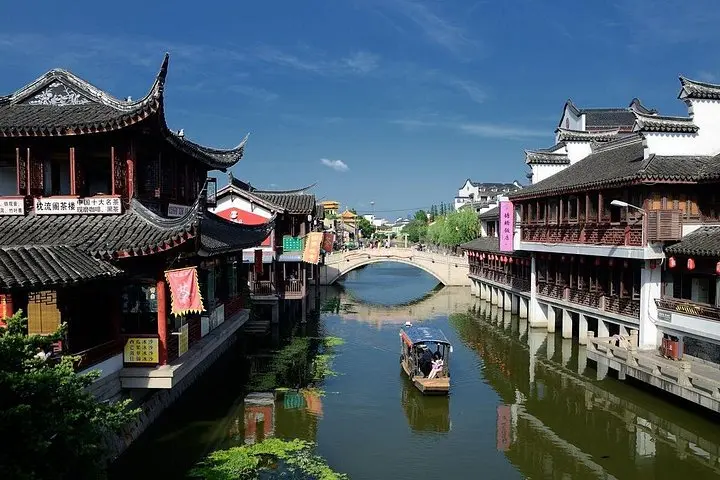
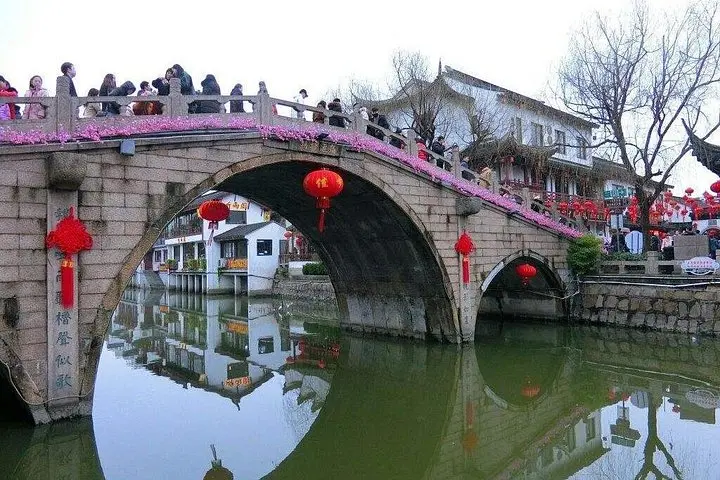
You step off the narrow stone bridge and the city noise thins to the gurgle of canals and the call of a street vendor frying xiaolongbao. Qibao’s alleys compress time: Ming- and Qing-era facades, low wooden eaves and arched bridges push history forward into the present as you trace the water’s edge.
Verified experiences and guided adventures in the surrounding area.
Operated by Amazing Shanghai Trip · Shanghai, Shanghai
You step off the narrow stone bridge and the city noise thins to the gurgle of canals and the call of a street vendor frying xiaolongbao. Qibao’s alleys compress time: Ming- and Qing-era facades, low wooden eaves and arched bridges push history forward into the present as you trace the water’s edge.
Qibao began as a riverside market serving inland Shanghai; its architecture and alley network reflect centuries of trade and canal engineering. The stones underfoot have been smoothed by generations of boots and carts, and the town’s layout still follows old waterways that once linked rice fields to the Huangpu River. Moving back into central Shanghai, the cityscape flips from intimate waterways to broad waterfront promenades and glass towers, a clear demonstration of the municipality’s rapid industrial and financial rise.
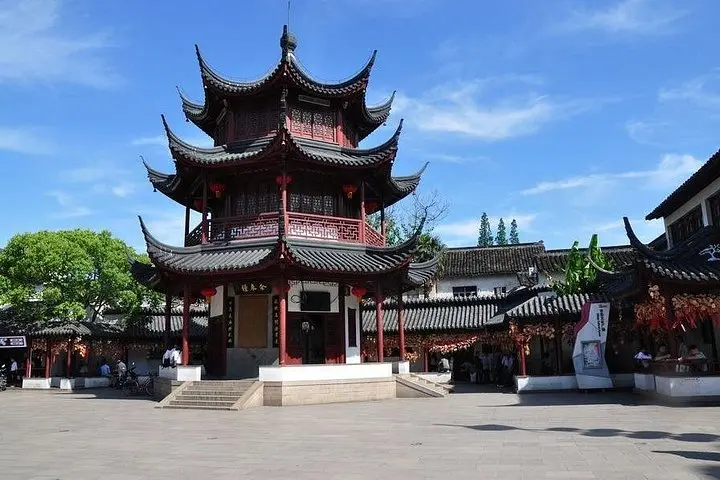
Culturally, the day balances local life—temple courtyards, street food stalls, craft shops—with city landmarks like the Bund or Jade Buddha Temple. Expect conversational, private guiding that adapts to your interests: food, history, or contemporary architecture.
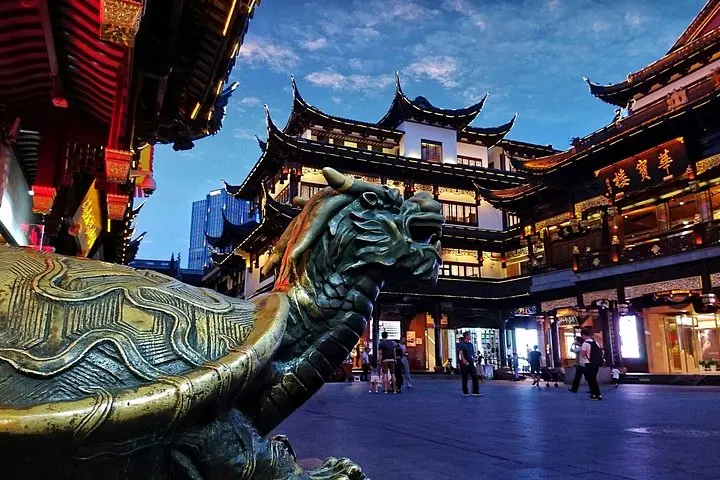
Practicalities matter: this is a 7–8 hour private tour with hotel pickup, a local lunch and select entrance fees included. Wear comfortable, grippy shoes for slick stone paths, carry small change for snacks and vendors, and plan visits around Yu Garden’s hours (closed Mondays; closes mid-afternoon).
The rhythm of this trip alternates slow, sensory exploration in the water town with brisk urban stops—an accessible day that rewards curiosity, sensible pacing, and an appetite for both street snacks and skyline views.
Yu Garden and the Jade Buddha Temple entrance fees are included in this tour’s inclusions; confirm any other paid attractions with your guide.
Yes—hotel pickup and drop-off in central Shanghai are included as part of the private transfer service.
The tour notes wheelchair-accessible transportation and some accessible areas, but historic alleys and stone bridges in Qibao can be uneven—advise the operator of needs when booking.
Full refund if canceled at least 24 hours before departure; no refund within 24 hours, per the standard cancellation policy.
Amazing Shanghai Trip operates guided outdoor trips and adventures with an emphasis on safety, stewardship, and memorable experiences.
You step off the narrow stone bridge and the city noise thins to the gurgle of canals and the call of a street vendor frying xiaolongbao. Qibao’s alleys compress time: Ming- and Qing-era facades, low wooden eaves and arched bridges push history forward into the present as you trace the water’s edge.
You step off the narrow stone bridge and the city noise thins to the gurgle of canals and the call of a street vendor frying xiaolongbao. Qibao’s alleys compress time: Ming- and Qing-era facades, low wooden eaves and arched bridges push history forward into the present as you trace the water’s edge.
Qibao began as a riverside market serving inland Shanghai; its architecture and alley network reflect centuries of trade and canal engineering. The stones underfoot have been smoothed by generations of boots and carts, and the town’s layout still follows old waterways that once linked rice fields to the Huangpu River. Moving back into central Shanghai, the cityscape flips from intimate waterways to broad waterfront promenades and glass towers, a clear demonstration of the municipality’s rapid industrial and financial rise.
Culturally, the day balances local life—temple courtyards, street food stalls, craft shops—with city landmarks like the Bund or Jade Buddha Temple. Expect conversational, private guiding that adapts to your interests: food, history, or contemporary architecture.
Practicalities matter: this is a 7–8 hour private tour with hotel pickup, a local lunch and select entrance fees included. Wear comfortable, grippy shoes for slick stone paths, carry small change for snacks and vendors, and plan visits around Yu Garden’s hours (closed Mondays; closes mid-afternoon).
The rhythm of this trip alternates slow, sensory exploration in the water town with brisk urban stops—an accessible day that rewards curiosity, sensible pacing, and an appetite for both street snacks and skyline views.