THE ADVENTURE COLLECTIVE® · Independent discovery and booking for outdoor travel

Spend a day from Chengdu exploring Qingcheng Mountain’s Taoist temples and the ancient Dujiangyan irrigation system. This private tour mixes short hikes, a cable car, a ferry, and guided history for an efficient cultural-outdoor experience.
Spend a day from Chengdu exploring Qingcheng Mountain’s Taoist temples and the ancient Dujiangyan irrigation system. This private tour mixes short hikes, a cable car, a ferry, and guided history for an efficient cultural-outdoor experience.
You leave Chengdu before dawn, the city’s hum shrinking behind the air-conditioned vehicle as terraces and small rivers edge the highway. The ferry on Yuecheng Lake rocks gently, then the cable car lifts you through green — the forest seems to lean close, as if listening — delivering you to temple roofs and a stand of ancient ginkgo trees.
Verified experiences and guided adventures in the surrounding area.
Operated by Unique Beijing Tours · Dujiangyan, Sichuan
You leave Chengdu before dawn, the city’s hum shrinking behind the air-conditioned vehicle as terraces and small rivers edge the highway. The ferry on Yuecheng Lake rocks gently, then the cable car lifts you through green — the forest seems to lean close, as if listening — delivering you to temple roofs and a stand of ancient ginkgo trees.
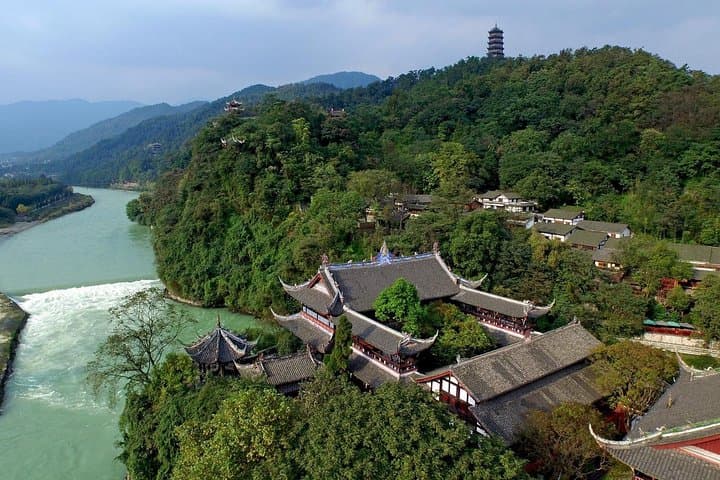
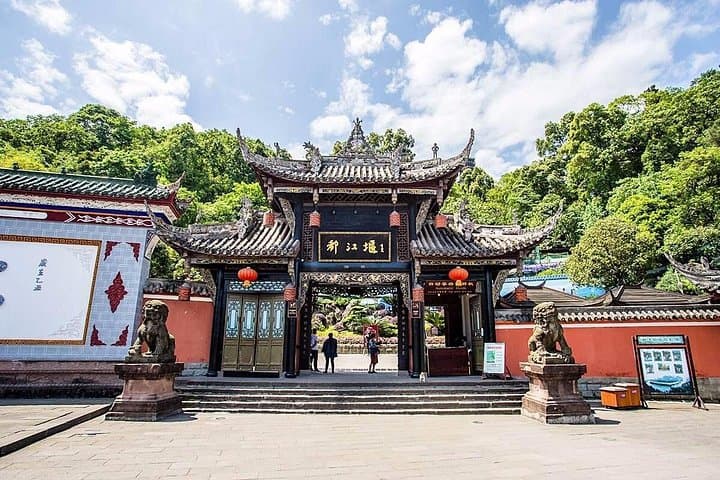
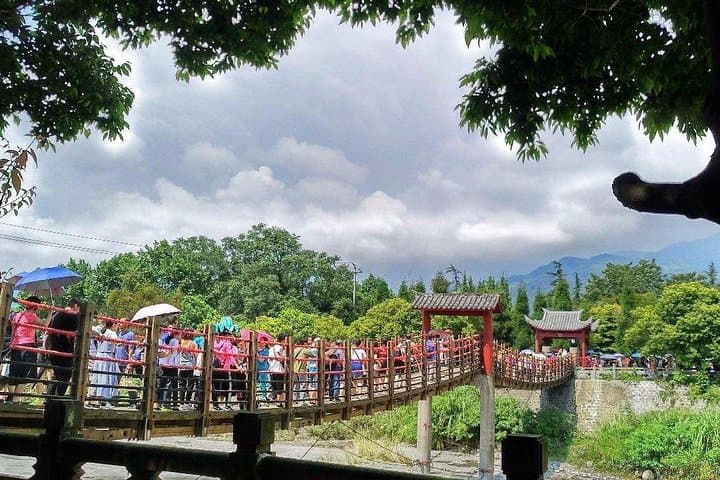
Qingcheng Mountain is one of Taoism’s birthplaces: 36 peaks and more than 20 historic temples reflect centuries of religious practice and Sichuan-style wooden architecture. Rocks and soils here are part of the Longmenshan foothills, where erosion and uplift shaped steep ridgelines and narrow valleys. After lunch in Taian Ancient Town, you’ll see Dujiangyan, the 2,300+-year-old irrigation system engineered by Li Bing. Its clever diversion channels and weirs still control the Min River’s flow without a modern dam, a living piece of hydraulic engineering that turned floodplain into fertile farmland.
Practical notes: the tour is 7–8 hours and uses cable cars and a short ferry so physical demands are low, but expect stone steps and compact dirt trails; brief uphill sections may feel brisk. Bring sturdy walking shoes, a light waterproof layer, sun protection, and a refillable bottle (bottled water is provided). Start early to avoid the midday crowds on the cable car and busy temple courtyards. Respect temple etiquette—quiet voices, no flash photography in sacred halls—and leave no trace on trails and historic structures. With clear planning, this pair of UNESCO sites offers both cultural depth and the uncomplicated joy of mountain air and flowing water.
Most walking is short transfers between temples and viewpoints; cable cars and battery buses reduce long climbs—expect several short stair sections but no long technical hikes.
Yes: entrance fees, cable car round trip, and ferry at Yuecheng Lake are included in the tour package as described.
The itinerary is suitable for families and older travelers who can manage some stairs; infants must sit on laps and stroller access is noted for flatter areas.
Drive time is roughly 1–1.5 hours each way depending on traffic between central Chengdu and the Qingcheng/Dujiangyan area.
Unique Beijing Tours operates guided outdoor trips and adventures with an emphasis on safety, stewardship, and memorable experiences.
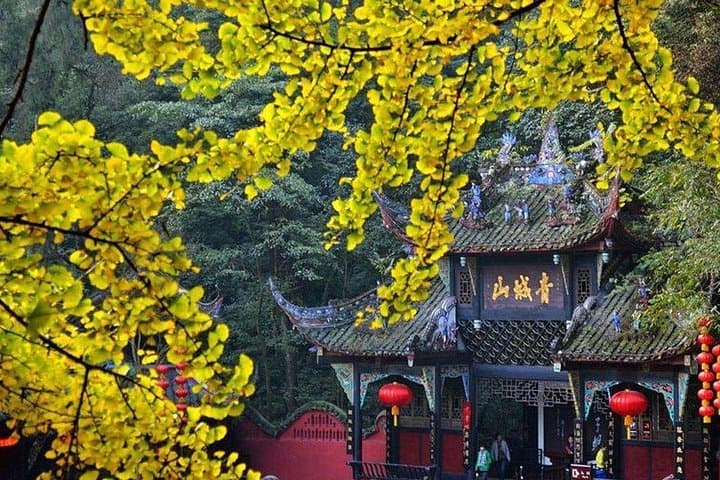
You leave Chengdu before dawn, the city’s hum shrinking behind the air-conditioned vehicle as terraces and small rivers edge the highway. The ferry on Yuecheng Lake rocks gently, then the cable car lifts you through green — the forest seems to lean close, as if listening — delivering you to temple roofs and a stand of ancient ginkgo trees.
You leave Chengdu before dawn, the city’s hum shrinking behind the air-conditioned vehicle as terraces and small rivers edge the highway. The ferry on Yuecheng Lake rocks gently, then the cable car lifts you through green — the forest seems to lean close, as if listening — delivering you to temple roofs and a stand of ancient ginkgo trees.
Qingcheng Mountain is one of Taoism’s birthplaces: 36 peaks and more than 20 historic temples reflect centuries of religious practice and Sichuan-style wooden architecture. Rocks and soils here are part of the Longmenshan foothills, where erosion and uplift shaped steep ridgelines and narrow valleys. After lunch in Taian Ancient Town, you’ll see Dujiangyan, the 2,300+-year-old irrigation system engineered by Li Bing. Its clever diversion channels and weirs still control the Min River’s flow without a modern dam, a living piece of hydraulic engineering that turned floodplain into fertile farmland.
Practical notes: the tour is 7–8 hours and uses cable cars and a short ferry so physical demands are low, but expect stone steps and compact dirt trails; brief uphill sections may feel brisk. Bring sturdy walking shoes, a light waterproof layer, sun protection, and a refillable bottle (bottled water is provided). Start early to avoid the midday crowds on the cable car and busy temple courtyards. Respect temple etiquette—quiet voices, no flash photography in sacred halls—and leave no trace on trails and historic structures. With clear planning, this pair of UNESCO sites offers both cultural depth and the uncomplicated joy of mountain air and flowing water.