THE ADVENTURE COLLECTIVE® · Independent discovery and booking for outdoor travel

Get hands-on with Qixingtan’s fresh catch: a 90-minute sensory tour that explains local fishing methods, seasonal species and includes tastings and a takeaway fish. Perfect for curious travelers who want to connect coastal culture with cuisine.
Get hands-on with Qixingtan’s fresh catch: a 90-minute sensory tour that explains local fishing methods, seasonal species and includes tastings and a takeaway fish. Perfect for curious travelers who want to connect coastal culture with cuisine.
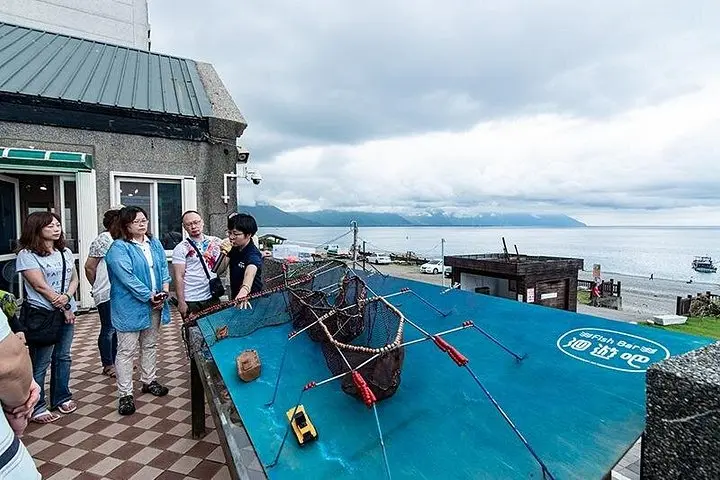
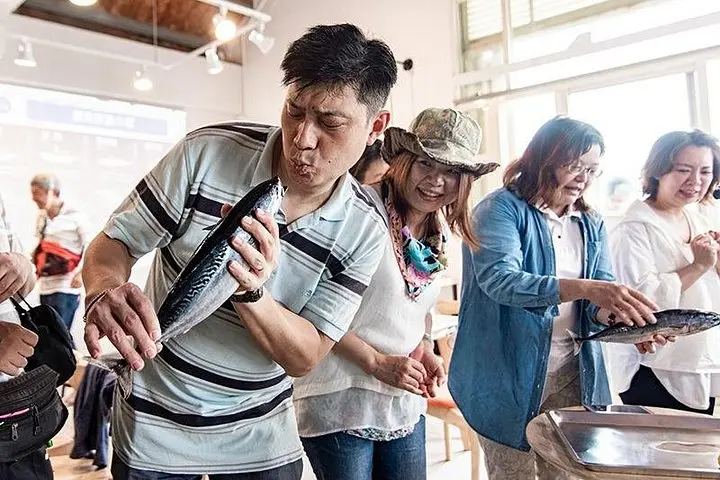
A wind-swept pebble shore opens in front of you: waves clap against dark stones, gulls wheel and the ocean smells of iodine and citrus. At Qixingtan Fish Bar the sea isn’t a backdrop—it’s the subject. The experience begins on the beach with displays of the day’s catch and a guide who moves the group through touch, sight and taste, encouraging questions about how fish travel from local waters to the plate.
Verified experiences and guided adventures in the surrounding area.
Operated by 洄遊吧 FISH BAR · Hualien City, Hualien County
A wind-swept pebble shore opens in front of you: waves clap against dark stones, gulls wheel and the ocean smells of iodine and citrus. At Qixingtan Fish Bar the sea isn’t a backdrop—it’s the subject. The experience begins on the beach with displays of the day’s catch and a guide who moves the group through touch, sight and taste, encouraging questions about how fish travel from local waters to the plate.
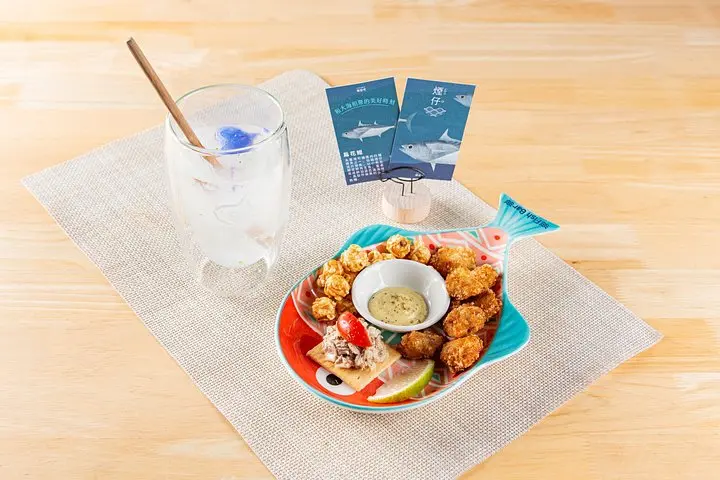
Qixingtan (Chihsingtan) sits on Taiwan’s eastern rim, where tectonic uplift and wave action have polished a crescent of stone and revealed a long coastal fishing tradition. The region’s fisheries reflect Hualien’s mix of indigenous Amis culture and small-scale commercial boats; seasonal migratory species pass close to shore here, shaping what’s available for tasting. The program pairs a short interpretive talk about local methods with a guided fish-watch, sampling of simple preserved snacks, and an opportunity to take a portion of fresh catch home.
Practical guidance: the activity lasts about 90 minutes and is mostly standing and moving short distances on pebbled beach; footwear with good grip is recommended. Expect interpretive English or translated notes depending on the group; bring sun protection and a foldable bag for any fish you buy to take home. The hosts emphasize sustainable, low-impact practices—ask about which species are seasonal and how they’re handled.
This is an accessible, sensory introduction to Hualien’s shoreline ecology and fishing culture—quick, informative and tangible for travelers who want to connect taste with place.
The program is approximately 90 minutes and includes a guided fish tour, a tasting session and brief explanations of local fishing methods.
Yes—infants can be in strollers and are required to sit on an adult’s lap during tastings; terrain near the shore may be uneven.
Guides often provide basic English and visual materials; availability of full English interpretation can vary—check at booking if you require it.
Yes—participants may purchase or take a portion of catch home; bring an insulated bag or ask staff for ice to keep it fresh.
洄遊吧 FISH BAR operates guided outdoor trips and adventures with an emphasis on safety, stewardship, and memorable experiences.
A wind-swept pebble shore opens in front of you: waves clap against dark stones, gulls wheel and the ocean smells of iodine and citrus. At Qixingtan Fish Bar the sea isn’t a backdrop—it’s the subject. The experience begins on the beach with displays of the day’s catch and a guide who moves the group through touch, sight and taste, encouraging questions about how fish travel from local waters to the plate.
A wind-swept pebble shore opens in front of you: waves clap against dark stones, gulls wheel and the ocean smells of iodine and citrus. At Qixingtan Fish Bar the sea isn’t a backdrop—it’s the subject. The experience begins on the beach with displays of the day’s catch and a guide who moves the group through touch, sight and taste, encouraging questions about how fish travel from local waters to the plate.
Qixingtan (Chihsingtan) sits on Taiwan’s eastern rim, where tectonic uplift and wave action have polished a crescent of stone and revealed a long coastal fishing tradition. The region’s fisheries reflect Hualien’s mix of indigenous Amis culture and small-scale commercial boats; seasonal migratory species pass close to shore here, shaping what’s available for tasting. The program pairs a short interpretive talk about local methods with a guided fish-watch, sampling of simple preserved snacks, and an opportunity to take a portion of fresh catch home.
Practical guidance: the activity lasts about 90 minutes and is mostly standing and moving short distances on pebbled beach; footwear with good grip is recommended. Expect interpretive English or translated notes depending on the group; bring sun protection and a foldable bag for any fish you buy to take home. The hosts emphasize sustainable, low-impact practices—ask about which species are seasonal and how they’re handled.
This is an accessible, sensory introduction to Hualien’s shoreline ecology and fishing culture—quick, informative and tangible for travelers who want to connect taste with place.