THE ADVENTURE COLLECTIVE® · Independent discovery and booking for outdoor travel

Feel the grit of the Giza plateau under quad tires while the Great Pyramids tower nearby. This practical guide explains what the ride is like, local context, and how to prepare for a safe, memorable desert safari.
Feel the grit of the Giza plateau under quad tires while the Great Pyramids tower nearby. This practical guide explains what the ride is like, local context, and how to prepare for a safe, memorable desert safari.
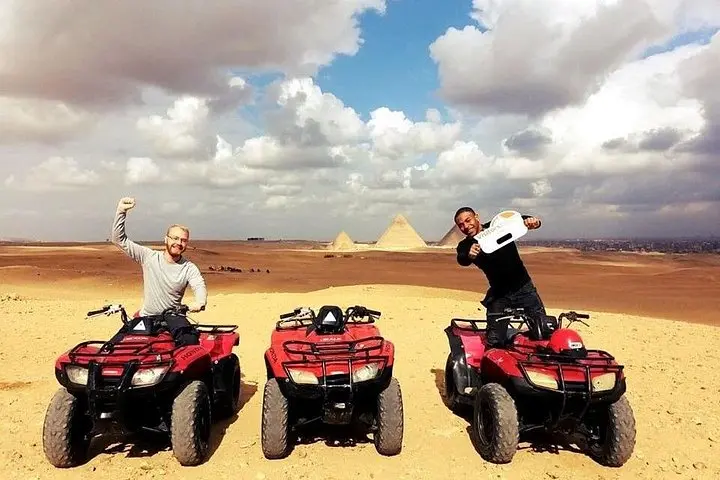
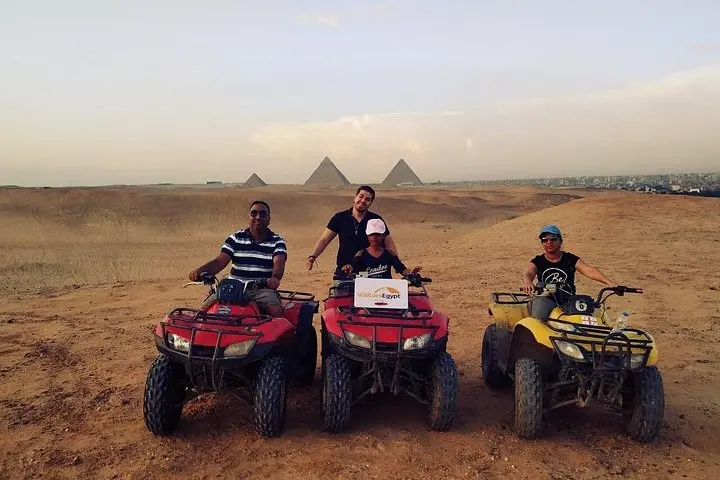
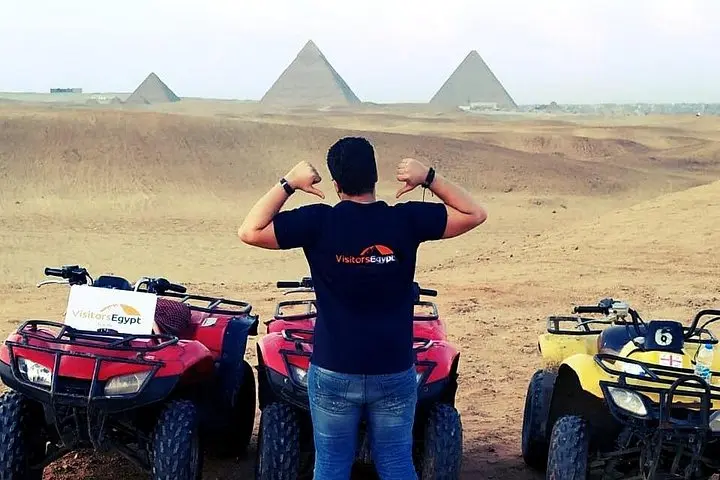
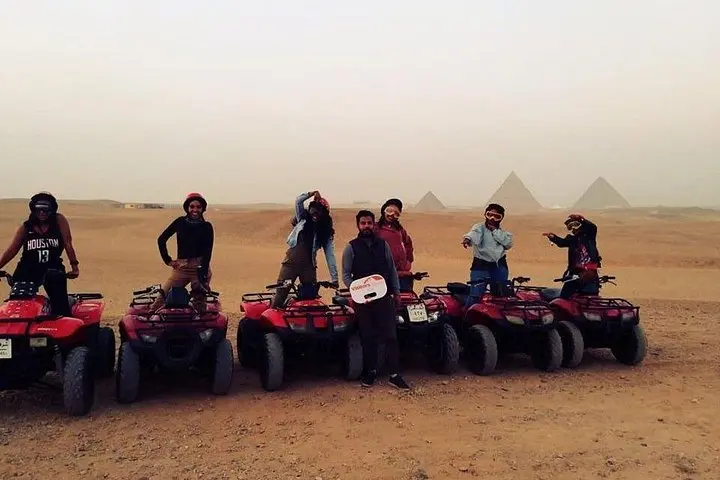
The engine rattles to life and the desert opens up — a wide, ochre plain giving way to the angular silhouettes of Cheops, Chephren and Mykerinus. Riding a quad here is less about speed and more about being held level with one of history’s largest constructions; dunes and compacted sand alternate with hard-packed tracks that slope toward sweeping viewpoints of the plateau.
Verified experiences and guided adventures in the surrounding area.
Operated by Visitors Egypt Tours · Giza, Giza
The engine rattles to life and the desert opens up — a wide, ochre plain giving way to the angular silhouettes of Cheops, Chephren and Mykerinus. Riding a quad here is less about speed and more about being held level with one of history’s largest constructions; dunes and compacted sand alternate with hard-packed tracks that slope toward sweeping viewpoints of the plateau.
This place is both ancient and geologically straightforward: Pleistocene sand and wind-shaped dunes sit on a bed of Nile-era alluvium, while the pyramids themselves are limestone monuments standing since roughly 2600 BCE. Local guides weave in layered stories — royal builders, funerary rites and the modern archaeology that surrounds the site — so expect history as part of the ride.
Culture on the plateau is practical and performative: vendors, camel handlers and conservation teams all work in a tight balance between tourism and protection. That balance informs how trips run — permits, guided routes and restricted zones preserve both archaeology and safety.
Practical guidance: rides typically last 3–4 hours including transfers; bring closed-toe shoes, eye protection and at least 1 liter of water. Start early to avoid midday heat and to catch long-shadowed photos of the pyramids. Listen to your guide about where quads can go — staying on approved tracks both protects antiquities and reduces risk. Helmets and basic instruction are standard; if you’re new to ATVs, take the first five minutes to get comfortable at low speed. Expect a mix of calm sightseeing and short, sandy sections that demand steady throttle control.
No — operators provide a short safety briefing and practice loop; basic balance and coordination are sufficient.
Yes, helmets and basic safety gear are typically supplied and fit before departure.
Routes offer panoramic viewpoints of the pyramids but do not cross protected excavation areas; guides will position you for photos at approved overlooks.
Most tours include air-conditioned transfers from central Cairo or Giza hotels; confirm your pickup point when booking.
Visitors Egypt Tours operates guided outdoor trips and adventures with an emphasis on safety, stewardship, and memorable experiences.
The engine rattles to life and the desert opens up — a wide, ochre plain giving way to the angular silhouettes of Cheops, Chephren and Mykerinus. Riding a quad here is less about speed and more about being held level with one of history’s largest constructions; dunes and compacted sand alternate with hard-packed tracks that slope toward sweeping viewpoints of the plateau.
The engine rattles to life and the desert opens up — a wide, ochre plain giving way to the angular silhouettes of Cheops, Chephren and Mykerinus. Riding a quad here is less about speed and more about being held level with one of history’s largest constructions; dunes and compacted sand alternate with hard-packed tracks that slope toward sweeping viewpoints of the plateau.
This place is both ancient and geologically straightforward: Pleistocene sand and wind-shaped dunes sit on a bed of Nile-era alluvium, while the pyramids themselves are limestone monuments standing since roughly 2600 BCE. Local guides weave in layered stories — royal builders, funerary rites and the modern archaeology that surrounds the site — so expect history as part of the ride.
Culture on the plateau is practical and performative: vendors, camel handlers and conservation teams all work in a tight balance between tourism and protection. That balance informs how trips run — permits, guided routes and restricted zones preserve both archaeology and safety.
Practical guidance: rides typically last 3–4 hours including transfers; bring closed-toe shoes, eye protection and at least 1 liter of water. Start early to avoid midday heat and to catch long-shadowed photos of the pyramids. Listen to your guide about where quads can go — staying on approved tracks both protects antiquities and reduces risk. Helmets and basic instruction are standard; if you’re new to ATVs, take the first five minutes to get comfortable at low speed. Expect a mix of calm sightseeing and short, sandy sections that demand steady throttle control.