THE ADVENTURE COLLECTIVE® · Independent discovery and booking for outdoor travel
Race across highland dirt tracks to the remarkable Inca terraces of Moray and the salt pans of Maras on a half-day quad bike tour from Urubamba. Expect practice time, guided context at both sites, and an accessible dose of high-altitude adventure.
Race across highland dirt tracks to the remarkable Inca terraces of Moray and the salt pans of Maras on a half-day quad bike tour from Urubamba. Expect practice time, guided context at both sites, and an accessible dose of high-altitude adventure.
Wheels kick up red Andean dust as you break out of the small valley road and into raw mountain air—the quad hums, the guide points ahead, and terraced rings of Moray appear like a carved amphitheater in the highland earth. Morning light slips down steep agricultural bowls while distant peaks hold the last pockets of snow, and the rhythm of throttle and clutch syncs with the landscape.
Verified experiences and guided adventures in the surrounding area.
Operated by Willka travel Cusco · Urubamba, Cusco
Wheels kick up red Andean dust as you break out of the small valley road and into raw mountain air—the quad hums, the guide points ahead, and terraced rings of Moray appear like a carved amphitheater in the highland earth. Morning light slips down steep agricultural bowls while distant peaks hold the last pockets of snow, and the rhythm of throttle and clutch syncs with the landscape.
Moray is an extraordinary Inca laboratory: concentric terraces that likely served as microclimates for crop experimentation. Nearby Maras’ salt pans are a legacy of pre-Columbian and colonial salt production that still supports local families. Geologically the valley is a patchwork of alluvial plains and uplifted Andean bedrock; wet-season streams carve gullies, and the high-altitude sun is intense.
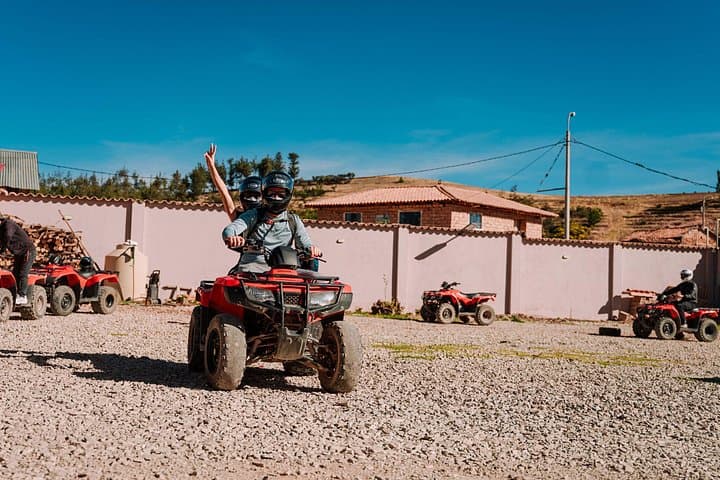
Culturally you move through Quechua-speaking communities where sheep grazing and smallholder agriculture remain visible; expect warm curiosity and small roadside markets selling salt and textiles. Guides typically cover historical context at Moray and explain the artisanal process at Maras, then hand you the keys for a measured off-road loop—40 minutes each way to the site, with practice time before you set out.
Practical note: this half-day runs about six hours door-to-door with paved and dirt sections, short climbs on ATVs, and a final van transfer to Maras. Dress in layers, bring sunscreen, and hydrate for 3,000–3,600 m elevation. Helmets and gloves are supplied; prior ATV experience helps but isn’t required. The ride is a compact way to pair active exploration with archaeological and cultural insights in the Sacred Valley.
Expect roughly 1.5–2 hours of actual quad riding—two 40-minute rides to and from Moray plus practice time at basecamp.
No. Guides provide a safety briefing and practice session; however, basic coordination and comfort with throttle control help.
Admissions are typically not included—your guide will manage logistics but bring local currency for entry fees if required.
Yes—pickups from Urubamba or Ollantaytambo are generally included depending on the option you select when booking.
Willka travel Cusco operates guided outdoor trips and adventures with an emphasis on safety, stewardship, and memorable experiences.
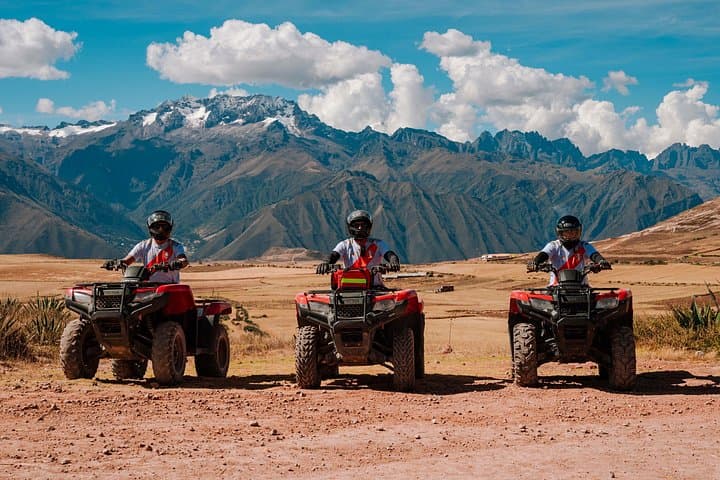
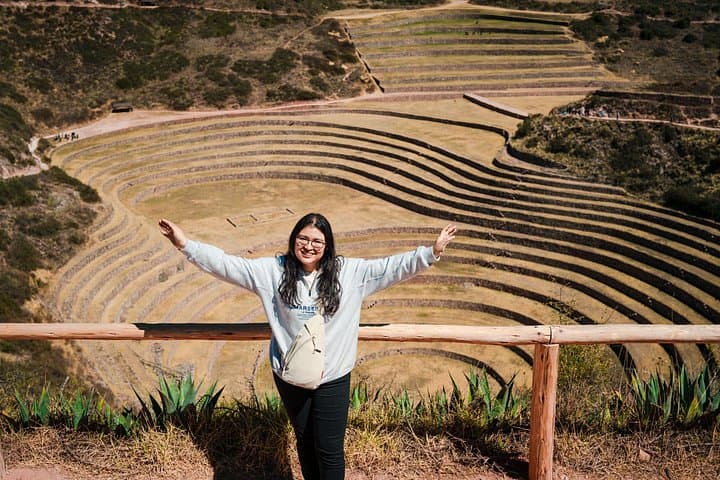
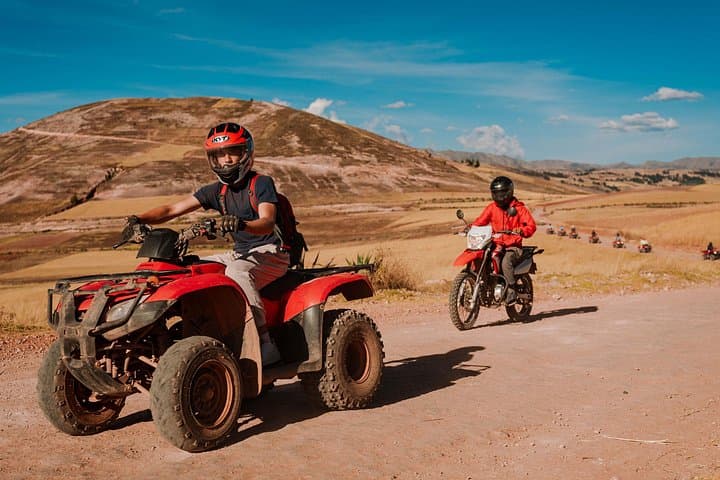
Wheels kick up red Andean dust as you break out of the small valley road and into raw mountain air—the quad hums, the guide points ahead, and terraced rings of Moray appear like a carved amphitheater in the highland earth. Morning light slips down steep agricultural bowls while distant peaks hold the last pockets of snow, and the rhythm of throttle and clutch syncs with the landscape.
Wheels kick up red Andean dust as you break out of the small valley road and into raw mountain air—the quad hums, the guide points ahead, and terraced rings of Moray appear like a carved amphitheater in the highland earth. Morning light slips down steep agricultural bowls while distant peaks hold the last pockets of snow, and the rhythm of throttle and clutch syncs with the landscape.
Moray is an extraordinary Inca laboratory: concentric terraces that likely served as microclimates for crop experimentation. Nearby Maras’ salt pans are a legacy of pre-Columbian and colonial salt production that still supports local families. Geologically the valley is a patchwork of alluvial plains and uplifted Andean bedrock; wet-season streams carve gullies, and the high-altitude sun is intense.
Culturally you move through Quechua-speaking communities where sheep grazing and smallholder agriculture remain visible; expect warm curiosity and small roadside markets selling salt and textiles. Guides typically cover historical context at Moray and explain the artisanal process at Maras, then hand you the keys for a measured off-road loop—40 minutes each way to the site, with practice time before you set out.
Practical note: this half-day runs about six hours door-to-door with paved and dirt sections, short climbs on ATVs, and a final van transfer to Maras. Dress in layers, bring sunscreen, and hydrate for 3,000–3,600 m elevation. Helmets and gloves are supplied; prior ATV experience helps but isn’t required. The ride is a compact way to pair active exploration with archaeological and cultural insights in the Sacred Valley.
