THE ADVENTURE COLLECTIVE® · Independent discovery and booking for outdoor travel

A 25 km guided bicycle loop through Huila's cane fields and pre-Columbian statuary, combining light climbs, rural roads and stops at working sugarcane mills and archaeological sites.
A 25 km guided bicycle loop through Huila's cane fields and pre-Columbian statuary, combining light climbs, rural roads and stops at working sugarcane mills and archaeological sites.
You push off from a dusty plaza and the valley opens—green ribbons of sugarcane leaning into the road, stone faces watching from shaded clearings. The Quebradillas Route is a 25 km loop that moves between working cane fields, rural haciendas and pockets of pre-Columbian statuary, where carved figures keep quiet guard over terraces and waterways.
Verified experiences and guided adventures in the surrounding area.
Operated by Adventure X Colombia · San Agustín, Huila
You push off from a dusty plaza and the valley opens—green ribbons of sugarcane leaning into the road, stone faces watching from shaded clearings. The Quebradillas Route is a 25 km loop that moves between working cane fields, rural haciendas and pockets of pre-Columbian statuary, where carved figures keep quiet guard over terraces and waterways.
This stretch of Huila sits on the eastern foothills of the Central Andes and the ancient statues are part of the San Agustín cultural landscape, produced by early Andean sculptors centuries before Spanish contact. Geologically, the terrain is volcanic and alluvial, which feeds fertile soils used for cane milling—one of the region's long-standing livelihoods. Local families still tend trapiche mills and small coffee plots, giving the route a lived-in, agricultural feel.
Expect a mix of hard-packed dirt, short paved stretches and farm tracks with modest climbs and descents; total ride time is typically 3–4 hours at a moderate pace. Guides stop at statuary sites to explain motifs and at a small mill to demonstrate cane processing. Pay attention to weather: sudden showers can make tracks slick, and late-morning heat intensifies at lower elevations.
Practical tips: the tour supplies bicycles, but bring a helmet, sun protection, a refillable water bottle, and light layers. Keep respect for archaeological sites—no climbing on sculptures—and plan for basic rural facilities rather than full-service rest stops. This is an accessible, culturally rich ride that rewards steady pedaling with quiet views and hands-on history.
Yes — the tour includes use of a bicycle; bring personal items like a helmet or confirm availability with the operator.
The 25 km loop is moderate: steady pedaling with short climbs; basic cycling fitness is recommended.
Guides stop at visible statuary and explain their history; access follows conservation rules, so touching or climbing statues is prohibited.
Guides typically speak Spanish; ask about English-speaking guides when booking if needed.
Adventure X Colombia operates guided outdoor trips and adventures with an emphasis on safety, stewardship, and memorable experiences.
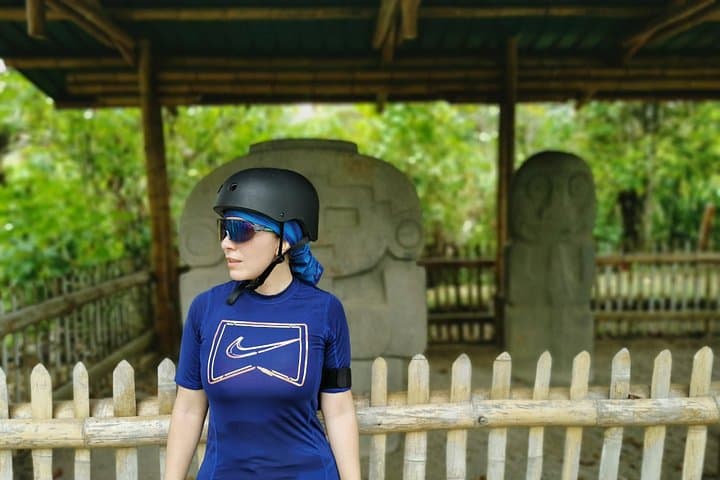
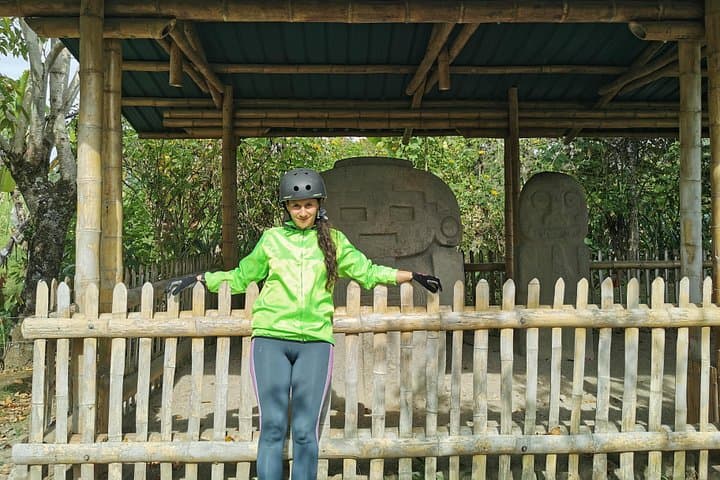

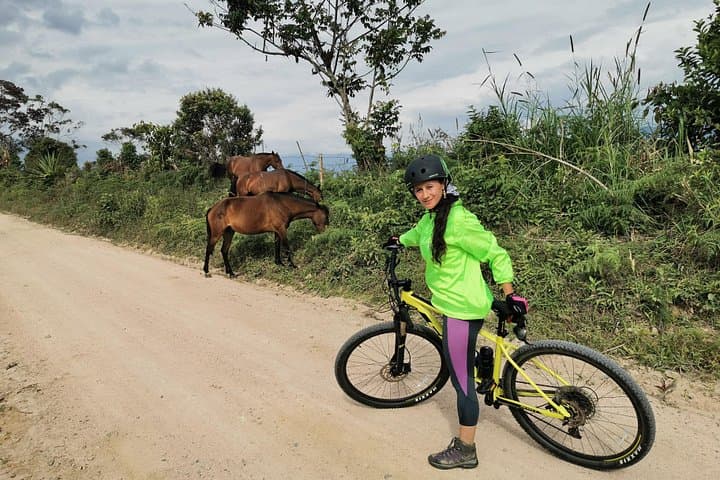
You push off from a dusty plaza and the valley opens—green ribbons of sugarcane leaning into the road, stone faces watching from shaded clearings. The Quebradillas Route is a 25 km loop that moves between working cane fields, rural haciendas and pockets of pre-Columbian statuary, where carved figures keep quiet guard over terraces and waterways.
You push off from a dusty plaza and the valley opens—green ribbons of sugarcane leaning into the road, stone faces watching from shaded clearings. The Quebradillas Route is a 25 km loop that moves between working cane fields, rural haciendas and pockets of pre-Columbian statuary, where carved figures keep quiet guard over terraces and waterways.
This stretch of Huila sits on the eastern foothills of the Central Andes and the ancient statues are part of the San Agustín cultural landscape, produced by early Andean sculptors centuries before Spanish contact. Geologically, the terrain is volcanic and alluvial, which feeds fertile soils used for cane milling—one of the region's long-standing livelihoods. Local families still tend trapiche mills and small coffee plots, giving the route a lived-in, agricultural feel.
Expect a mix of hard-packed dirt, short paved stretches and farm tracks with modest climbs and descents; total ride time is typically 3–4 hours at a moderate pace. Guides stop at statuary sites to explain motifs and at a small mill to demonstrate cane processing. Pay attention to weather: sudden showers can make tracks slick, and late-morning heat intensifies at lower elevations.
Practical tips: the tour supplies bicycles, but bring a helmet, sun protection, a refillable water bottle, and light layers. Keep respect for archaeological sites—no climbing on sculptures—and plan for basic rural facilities rather than full-service rest stops. This is an accessible, culturally rich ride that rewards steady pedaling with quiet views and hands-on history.