THE ADVENTURE COLLECTIVE® · Independent discovery and booking for outdoor travel

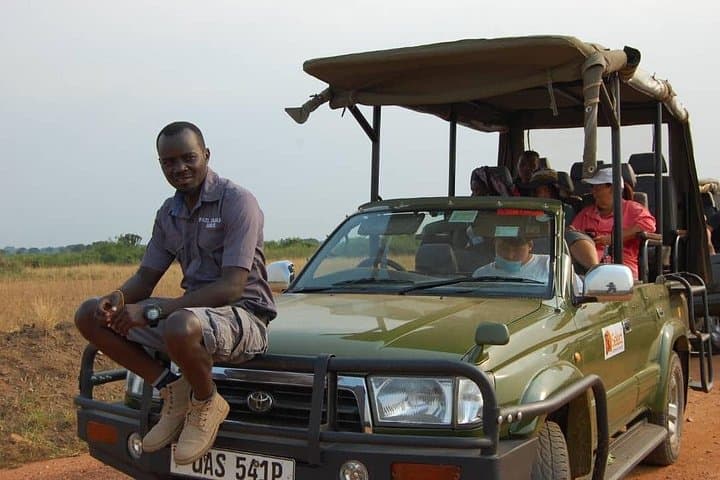
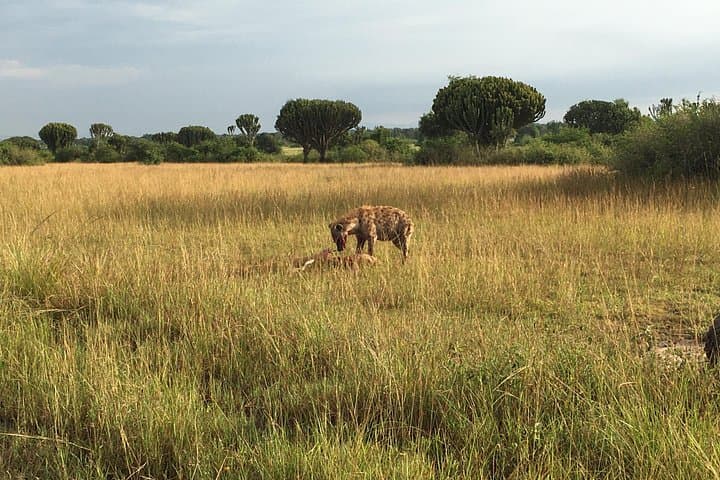
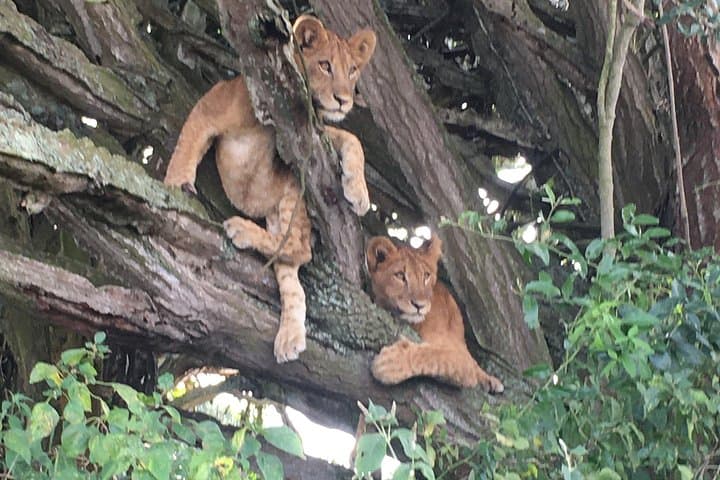
Head out before sunrise into Queen Elizabeth National Park in an open safari jeep for 3–4 hours of close wildlife viewing. Expect elephants, tree‑climbing lions and prolific birdlife around the Kazinga Channel.
Head out before sunrise into Queen Elizabeth National Park in an open safari jeep for 3–4 hours of close wildlife viewing. Expect elephants, tree‑climbing lions and prolific birdlife around the Kazinga Channel.
You lift into the cool dark before sunrise and the open jeep breathes with you as it rumbles out across the Kasenyi plains. Dew beads on elephant spoor; a distant silhouette gives away a lone topi. The Kazinga Channel gleams like a ribbon of quicksilver as the first raptors wheel overhead.
Verified experiences and guided adventures in the surrounding area.
Operated by Fazil Safari Guide Uganda+ · Kasese, Western Region
You lift into the cool dark before sunrise and the open jeep breathes with you as it rumbles out across the Kasenyi plains. Dew beads on elephant spoor; a distant silhouette gives away a lone topi. The Kazinga Channel gleams like a ribbon of quicksilver as the first raptors wheel overhead.
Queen Elizabeth National Park is a patchwork of savanna, floodplain and crater lakes carved by ancient volcanic activity and fed by the Rwenzori foothills. Designated a national park in 1952 and renamed after a royal visit, the area supports tree‑climbing lions, large elephant herds and more than 600 bird species that make dawn drives especially rewarding.
Local culture is visible along the park edges: pastoral livelihoods, fishing camps on the channel and small visitor hubs at Mweya and Kasenyi where guides share decades of tracking knowledge. Geology shows in the shallow crater lakes and channels that focus wildlife near water, so trackers plan drives around those pinch points.
Practical notes: morning drives usually begin around 6:30 a.m., last 3–4 hours, and require a minimum of two passengers. Open safari jeeps offer unobstructed views but limited shelter — dress in layered neutral colors, bring binoculars, insect protection and a camera with a zoom lens. Follow your guide’s instructions and keep noise low; animals here are wild and the landscape can change fast.
A morning drive in Queen Elizabeth is sensory and deliberate: the land tests your attention, the wildlife rewards it, and a knowledgeable guide connects the two.
Most drives begin around 6:30 a.m. to catch peak wildlife activity at dawn and typically last 3–4 hours.
Yes; this operator requires a minimum of two passengers per booking.
Children are usually permitted but must be supervised and follow guide safety rules; check age restrictions when booking.
Good—Queen Elizabeth hosts elephants and a notable population of lions, including tree‑climbing individuals; sightings depend on season and luck.
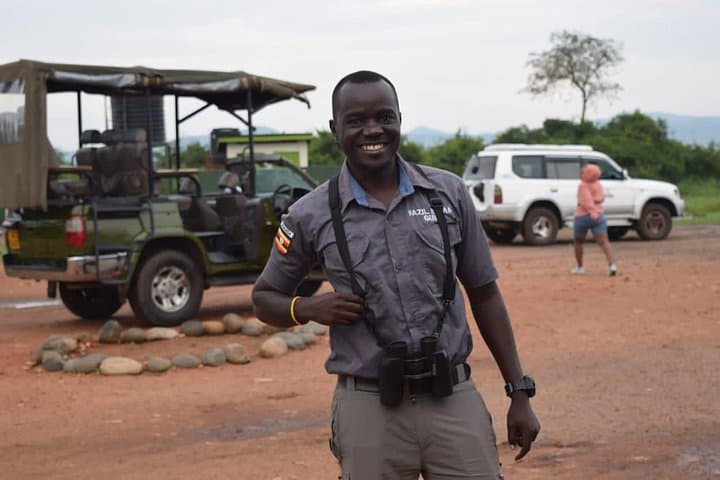
Fazil Safari Guide Uganda+ operates guided outdoor trips and adventures with an emphasis on safety, stewardship, and memorable experiences.
You lift into the cool dark before sunrise and the open jeep breathes with you as it rumbles out across the Kasenyi plains. Dew beads on elephant spoor; a distant silhouette gives away a lone topi. The Kazinga Channel gleams like a ribbon of quicksilver as the first raptors wheel overhead.
You lift into the cool dark before sunrise and the open jeep breathes with you as it rumbles out across the Kasenyi plains. Dew beads on elephant spoor; a distant silhouette gives away a lone topi. The Kazinga Channel gleams like a ribbon of quicksilver as the first raptors wheel overhead.
Queen Elizabeth National Park is a patchwork of savanna, floodplain and crater lakes carved by ancient volcanic activity and fed by the Rwenzori foothills. Designated a national park in 1952 and renamed after a royal visit, the area supports tree‑climbing lions, large elephant herds and more than 600 bird species that make dawn drives especially rewarding.
Local culture is visible along the park edges: pastoral livelihoods, fishing camps on the channel and small visitor hubs at Mweya and Kasenyi where guides share decades of tracking knowledge. Geology shows in the shallow crater lakes and channels that focus wildlife near water, so trackers plan drives around those pinch points.
Practical notes: morning drives usually begin around 6:30 a.m., last 3–4 hours, and require a minimum of two passengers. Open safari jeeps offer unobstructed views but limited shelter — dress in layered neutral colors, bring binoculars, insect protection and a camera with a zoom lens. Follow your guide’s instructions and keep noise low; animals here are wild and the landscape can change fast.
A morning drive in Queen Elizabeth is sensory and deliberate: the land tests your attention, the wildlife rewards it, and a knowledgeable guide connects the two.