THE ADVENTURE COLLECTIVE® · Independent discovery and booking for outdoor travel

Take a high‑octane run through Skippers Canyon on the Shotover River—class 3–5 rapids, a 170m tunnel plunge, and hot showers back at base. This Queenstown rafting trip pairs historic canyon driving with serious whitewater.
Take a high‑octane run through Skippers Canyon on the Shotover River—class 3–5 rapids, a 170m tunnel plunge, and hot showers back at base. This Queenstown rafting trip pairs historic canyon driving with serious whitewater.
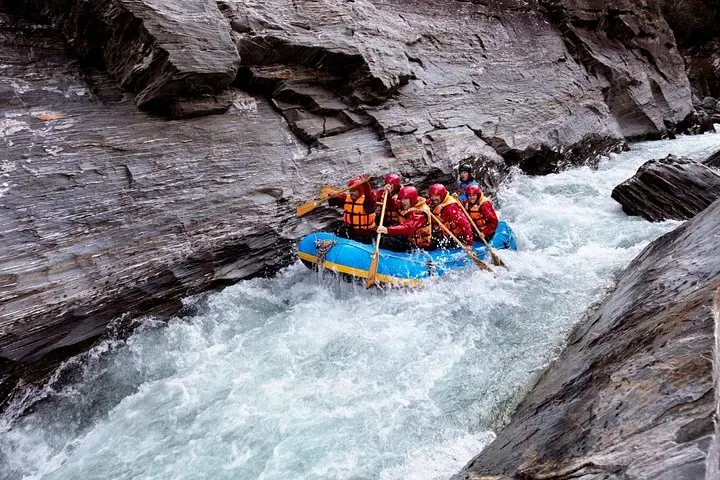
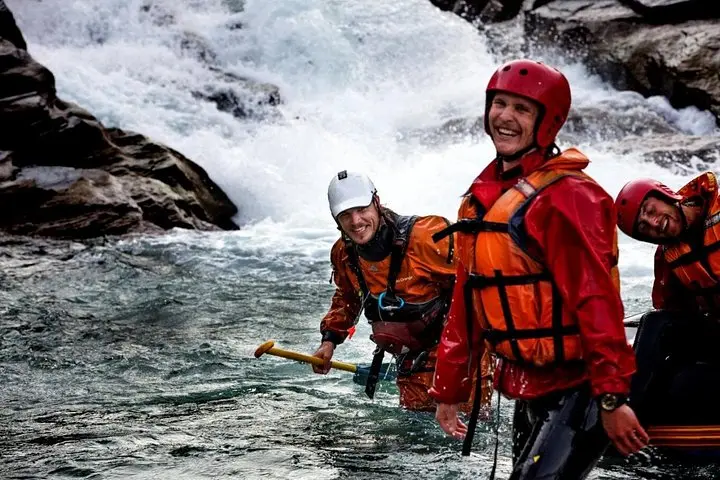
A diesel shuttle noses up Skippers Canyon Road and the gorge tightens: grey schist walls pin the sky, and the Shotover’s current hisses like a held breath. Guides fit wetsuits and helmets at the Rafting Base, and the team drills paddle strokes before dropping into water that can swing from glassy to furious within minutes.
Verified experiences and guided adventures in the surrounding area.
Operated by RealNZ · Queenstown, Otago
A diesel shuttle noses up Skippers Canyon Road and the gorge tightens: grey schist walls pin the sky, and the Shotover’s current hisses like a held breath. Guides fit wetsuits and helmets at the Rafting Base, and the team drills paddle strokes before dropping into water that can swing from glassy to furious within minutes.
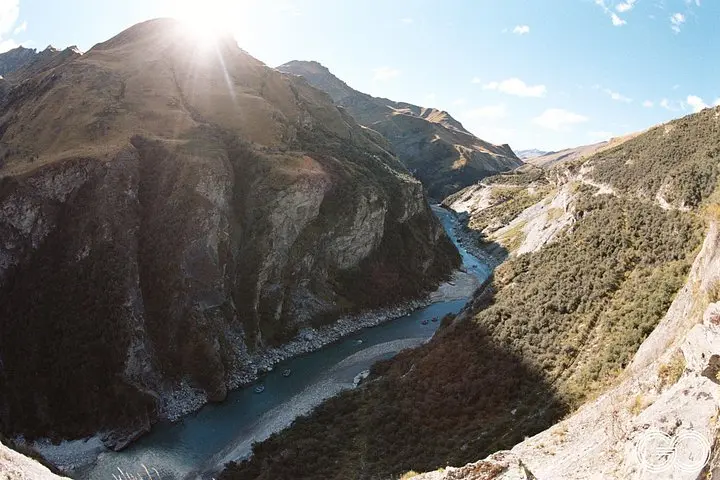
The Shotover was carved by glacial melt and 19th‑century gold prospecting; evidence of miners clings to ledges and old tracks. Geology here is honest—steep schist, scant soil, and a river that exploits every weakness. Local guides—often lifelong Queenstown residents—mix rivercraft with mining lore, pointing out narrow chutes and the engineering of Skippers Canyon Road, a historic, hairpin ribbon built during the gold rush.
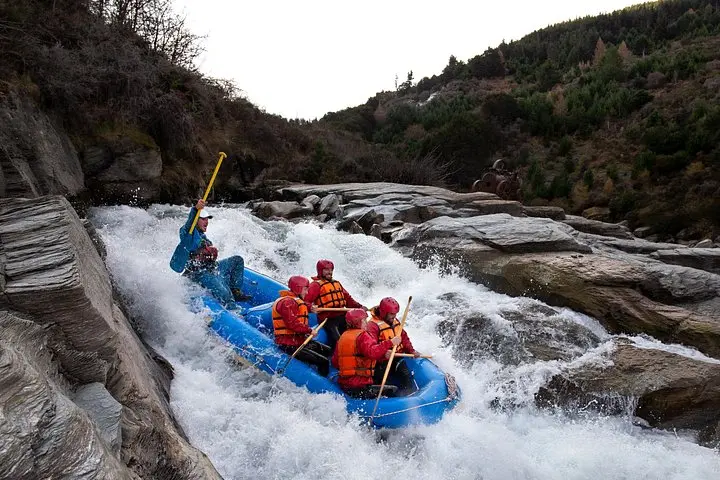
Expect a technical, adrenaline‑forward run: the Deep Creek upper section eases you in, then the lower canyon delivers named rapids—After Shock, Jaws, Toilet, Sequel—usually class 3–5 depending on flow. The Oxenbridge Tunnel (170 metres) is a literal blackout before the explosive exit into Cascade Rapid. The full trip, including transfers, runs about 4–5 hours; wet but civilized—hot showers await back at base.
Practical notes: be able to swim, meet the 13+ age and weight (40–120 kg) limits, and wear a swimsuit under the provided wetsuit. Bring a towel, dry layers, and a sense of teamwork—guides give paddling commands that you must follow. Spring snowmelt brings higher flows and bigger rapids; summer can be lower and warmer. Photos are usually included; cancelation windows and safety briefings are standard. This is a focused, high‑energy river day that rewards preparedness and a willingness to get wet.
Plan for approximately 4–5 hours total including transport from Queenstown, safety briefing, the river run, and return—about 40 minutes each way on Skippers Canyon Road.
Routes vary with water levels but usually include class 3–5 rapids; guides adjust sections to match safety and river conditions.
No—participants must be able to swim and be comfortable in moving water; flotation devices are worn but basic swimming skill is required.
Digital photos are typically included by the operator and provided after the trip—no need to bring your own camera unless in a waterproof case.
RealNZ operates guided outdoor trips and adventures with an emphasis on safety, stewardship, and memorable experiences.
A diesel shuttle noses up Skippers Canyon Road and the gorge tightens: grey schist walls pin the sky, and the Shotover’s current hisses like a held breath. Guides fit wetsuits and helmets at the Rafting Base, and the team drills paddle strokes before dropping into water that can swing from glassy to furious within minutes.
A diesel shuttle noses up Skippers Canyon Road and the gorge tightens: grey schist walls pin the sky, and the Shotover’s current hisses like a held breath. Guides fit wetsuits and helmets at the Rafting Base, and the team drills paddle strokes before dropping into water that can swing from glassy to furious within minutes.
The Shotover was carved by glacial melt and 19th‑century gold prospecting; evidence of miners clings to ledges and old tracks. Geology here is honest—steep schist, scant soil, and a river that exploits every weakness. Local guides—often lifelong Queenstown residents—mix rivercraft with mining lore, pointing out narrow chutes and the engineering of Skippers Canyon Road, a historic, hairpin ribbon built during the gold rush.
Expect a technical, adrenaline‑forward run: the Deep Creek upper section eases you in, then the lower canyon delivers named rapids—After Shock, Jaws, Toilet, Sequel—usually class 3–5 depending on flow. The Oxenbridge Tunnel (170 metres) is a literal blackout before the explosive exit into Cascade Rapid. The full trip, including transfers, runs about 4–5 hours; wet but civilized—hot showers await back at base.
Practical notes: be able to swim, meet the 13+ age and weight (40–120 kg) limits, and wear a swimsuit under the provided wetsuit. Bring a towel, dry layers, and a sense of teamwork—guides give paddling commands that you must follow. Spring snowmelt brings higher flows and bigger rapids; summer can be lower and warmer. Photos are usually included; cancelation windows and safety briefings are standard. This is a focused, high‑energy river day that rewards preparedness and a willingness to get wet.