THE ADVENTURE COLLECTIVE® · Independent discovery and booking for outdoor travel

Walk Dublin’s streets with a guide who maps Ireland’s queer history from revolutionary corners to modern pride milestones. Two hours of stories, site visits and local insights through Temple Bar, Trinity and Dublin Castle.
Walk Dublin’s streets with a guide who maps Ireland’s queer history from revolutionary corners to modern pride milestones. Two hours of stories, site visits and local insights through Temple Bar, Trinity and Dublin Castle.
The guide opens with the chatter of Temple Bar, the Liffey nudging its banks as you gather outside the Old Storehouse — look for a green umbrella and a steady voice that will thread the next two hours. Cobbled lanes, painted pub signs and the hum of buses set the stage; the city itself becomes a character, sometimes guarded, sometimes outspoken.
Verified experiences and guided adventures in the surrounding area.
Operated by Original Dublin · Dublin, County Dublin
The guide opens with the chatter of Temple Bar, the Liffey nudging its banks as you gather outside the Old Storehouse — look for a green umbrella and a steady voice that will thread the next two hours. Cobbled lanes, painted pub signs and the hum of buses set the stage; the city itself becomes a character, sometimes guarded, sometimes outspoken.
This walk traces queer lives across Dublin’s public spaces: revolutionary figures present at the 1916 sites, the Abbey Theatre’s theatrical provocateurs, the Hirschfeld Centre’s community heartbeat, and the long arc to the Marriage Equality referendum of 2015. Geology and layout matter here — the Liffey carved the route of commerce and congregation, and Trinity’s stone quads gave cover to conversations that later became movements.
Expect a paced two-hour route on paved streets with short standing talks at landmarks — from Temple Bar’s lively edges to the hush of Dublin Castle’s courtyard where the tour finishes. The guide balances archival facts with local anecdotes: where Ireland’s first pride gatherings ignited, where activist cafés once met, and how public art and plaques mark memory.
Practical edge: bring layered rain protection, firm shoes, and a small bottle of water. Mornings are quieter for photos; evenings bring atmosphere but more crowds. Wheelchair access is possible on most streets though cobbles can be uneven. Public transport (DART, LUAS, buses) connects near Temple Bar; allow extra time for connections. This is a grounded cultural walk — informative, respectful, and rooted in the city’s streets.
The tour lasts approximately two hours and covers central Dublin sites within Temple Bar, Trinity College and Dublin Castle — about 1.5–2 miles of walking at a conversational pace.
Most streets and many stops are wheelchair accessible, but some cobbled sections can be uneven; contact the operator in advance for specific access arrangements.
No — this is an outdoor walking tour focused on public sites and storytelling; entry fees for museums or paid attractions are not included.
Yes — the tour is open to all who want to learn about Dublin’s queer history and culture; it’s designed to be informative and welcoming.
Original Dublin operates guided outdoor trips and adventures with an emphasis on safety, stewardship, and memorable experiences.
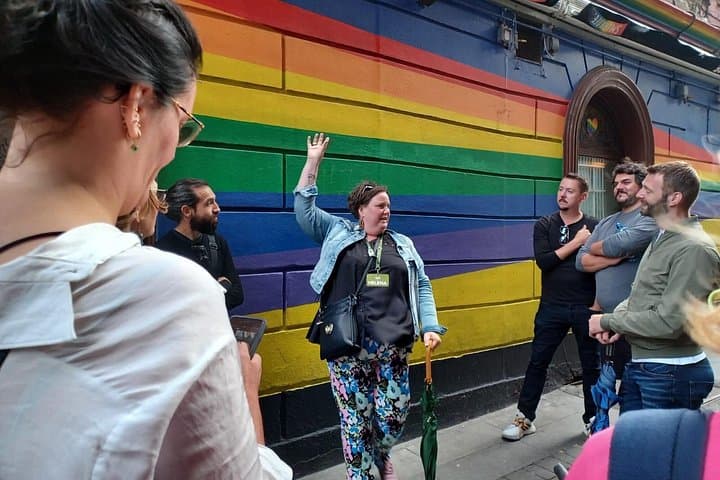
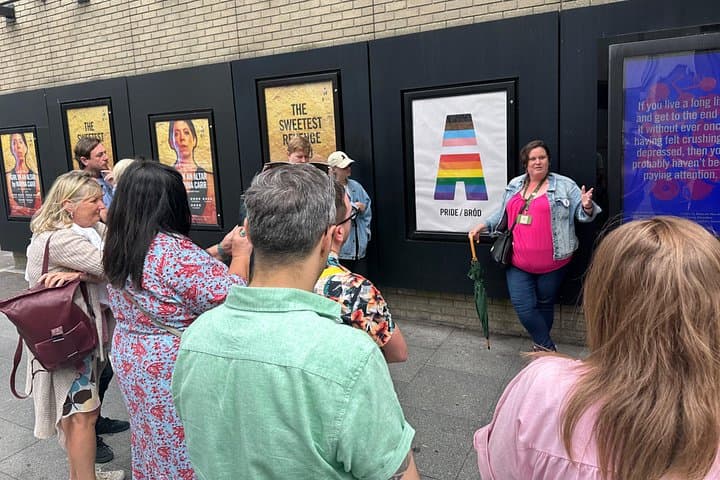
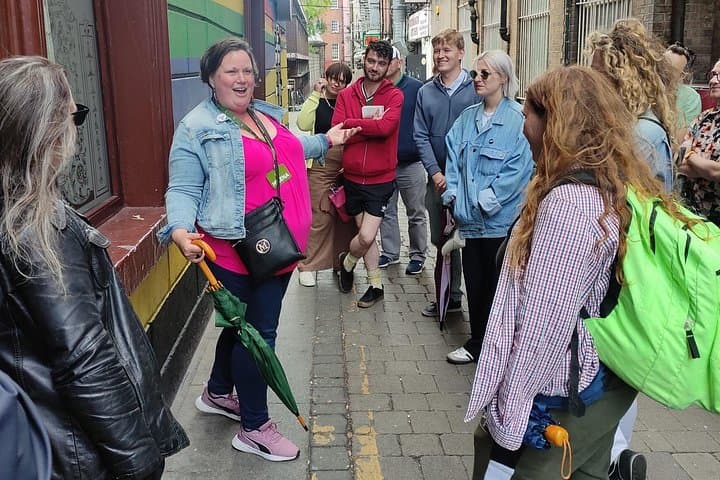
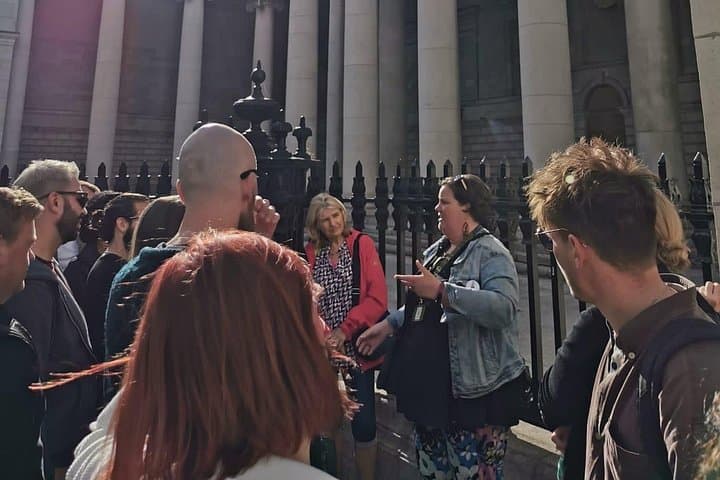
The guide opens with the chatter of Temple Bar, the Liffey nudging its banks as you gather outside the Old Storehouse — look for a green umbrella and a steady voice that will thread the next two hours. Cobbled lanes, painted pub signs and the hum of buses set the stage; the city itself becomes a character, sometimes guarded, sometimes outspoken.
The guide opens with the chatter of Temple Bar, the Liffey nudging its banks as you gather outside the Old Storehouse — look for a green umbrella and a steady voice that will thread the next two hours. Cobbled lanes, painted pub signs and the hum of buses set the stage; the city itself becomes a character, sometimes guarded, sometimes outspoken.
This walk traces queer lives across Dublin’s public spaces: revolutionary figures present at the 1916 sites, the Abbey Theatre’s theatrical provocateurs, the Hirschfeld Centre’s community heartbeat, and the long arc to the Marriage Equality referendum of 2015. Geology and layout matter here — the Liffey carved the route of commerce and congregation, and Trinity’s stone quads gave cover to conversations that later became movements.
Expect a paced two-hour route on paved streets with short standing talks at landmarks — from Temple Bar’s lively edges to the hush of Dublin Castle’s courtyard where the tour finishes. The guide balances archival facts with local anecdotes: where Ireland’s first pride gatherings ignited, where activist cafés once met, and how public art and plaques mark memory.
Practical edge: bring layered rain protection, firm shoes, and a small bottle of water. Mornings are quieter for photos; evenings bring atmosphere but more crowds. Wheelchair access is possible on most streets though cobbles can be uneven. Public transport (DART, LUAS, buses) connects near Temple Bar; allow extra time for connections. This is a grounded cultural walk — informative, respectful, and rooted in the city’s streets.